
Last updated November 23, 2026
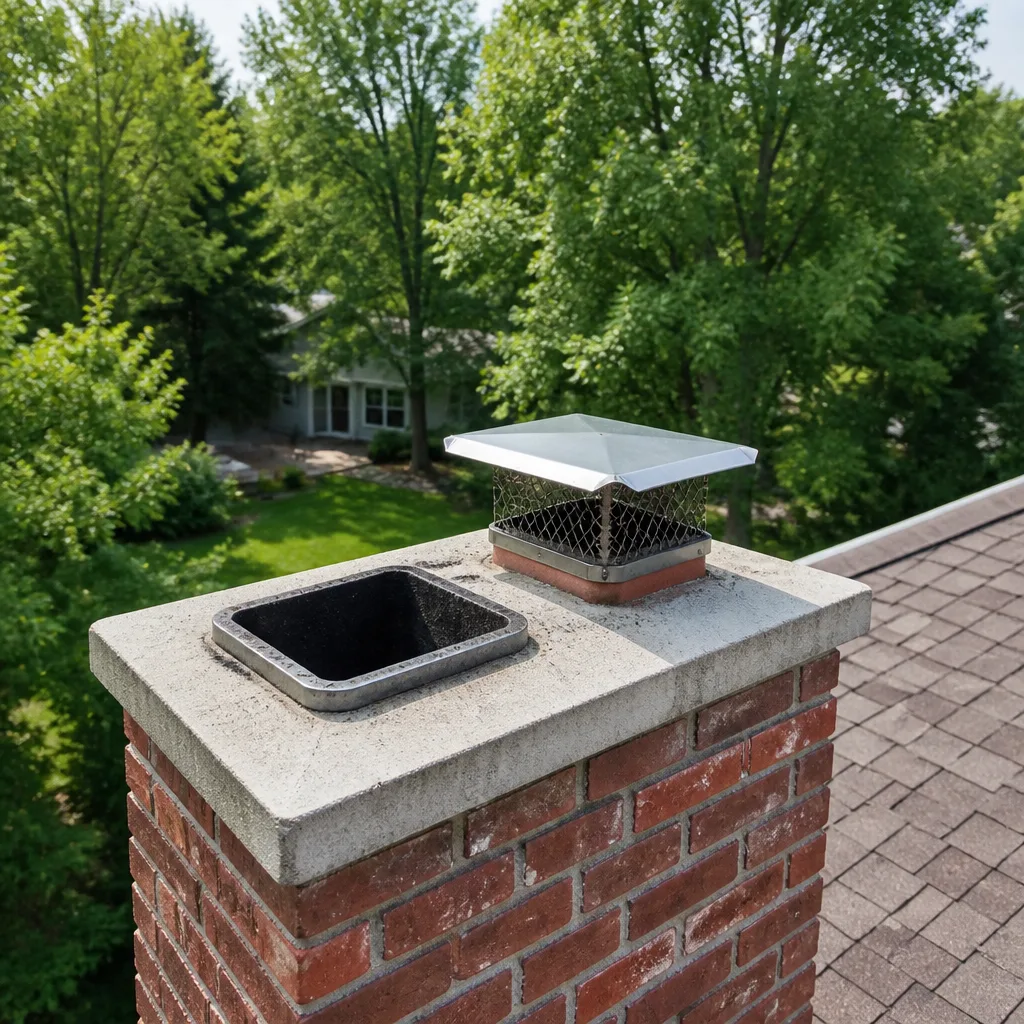 Sweep & inspection
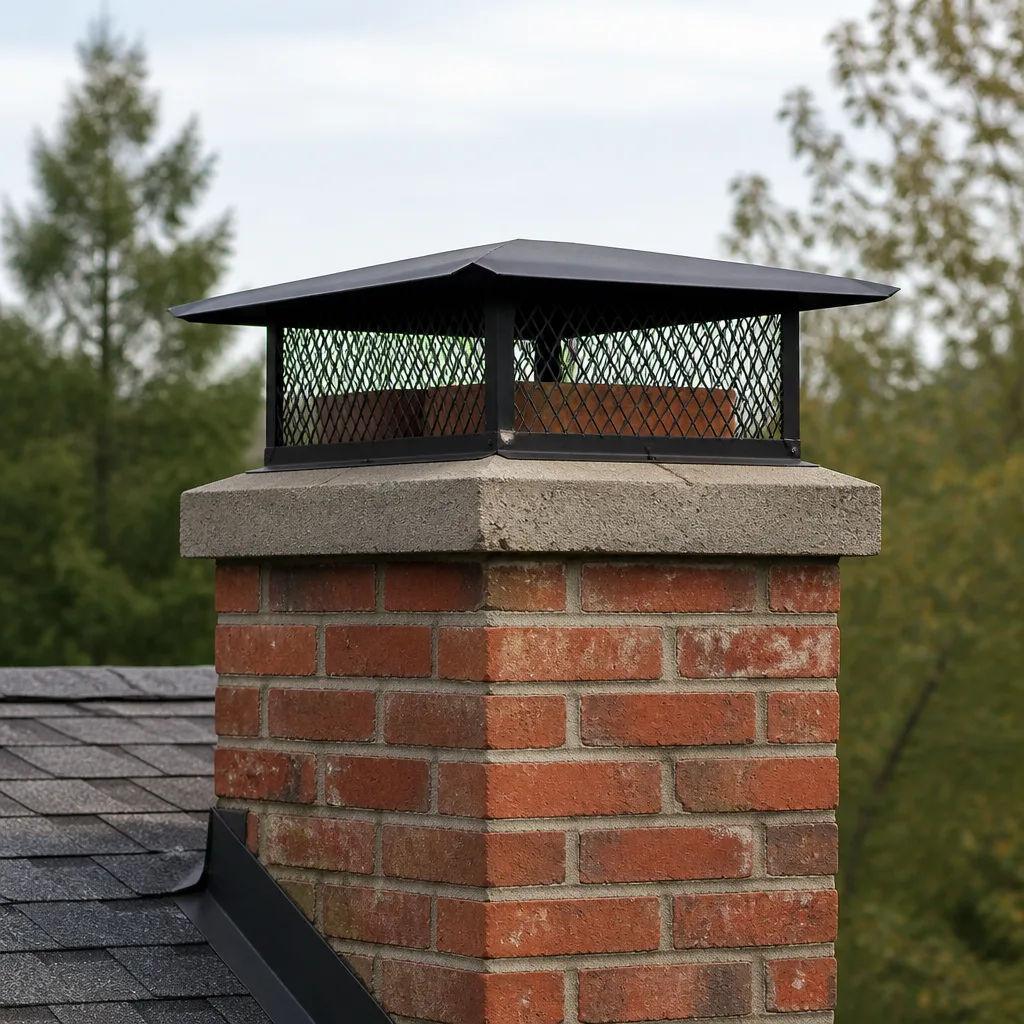 Caps & crowns
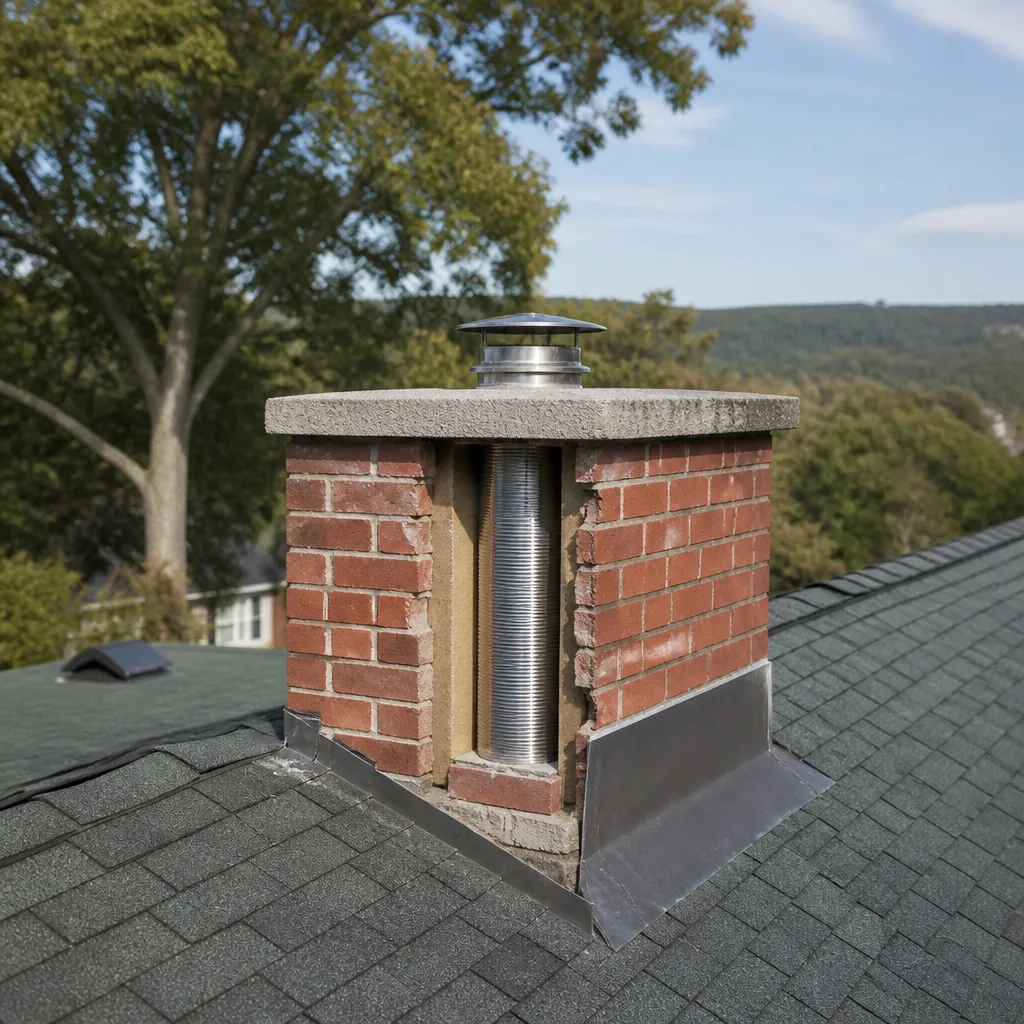 Flue relining
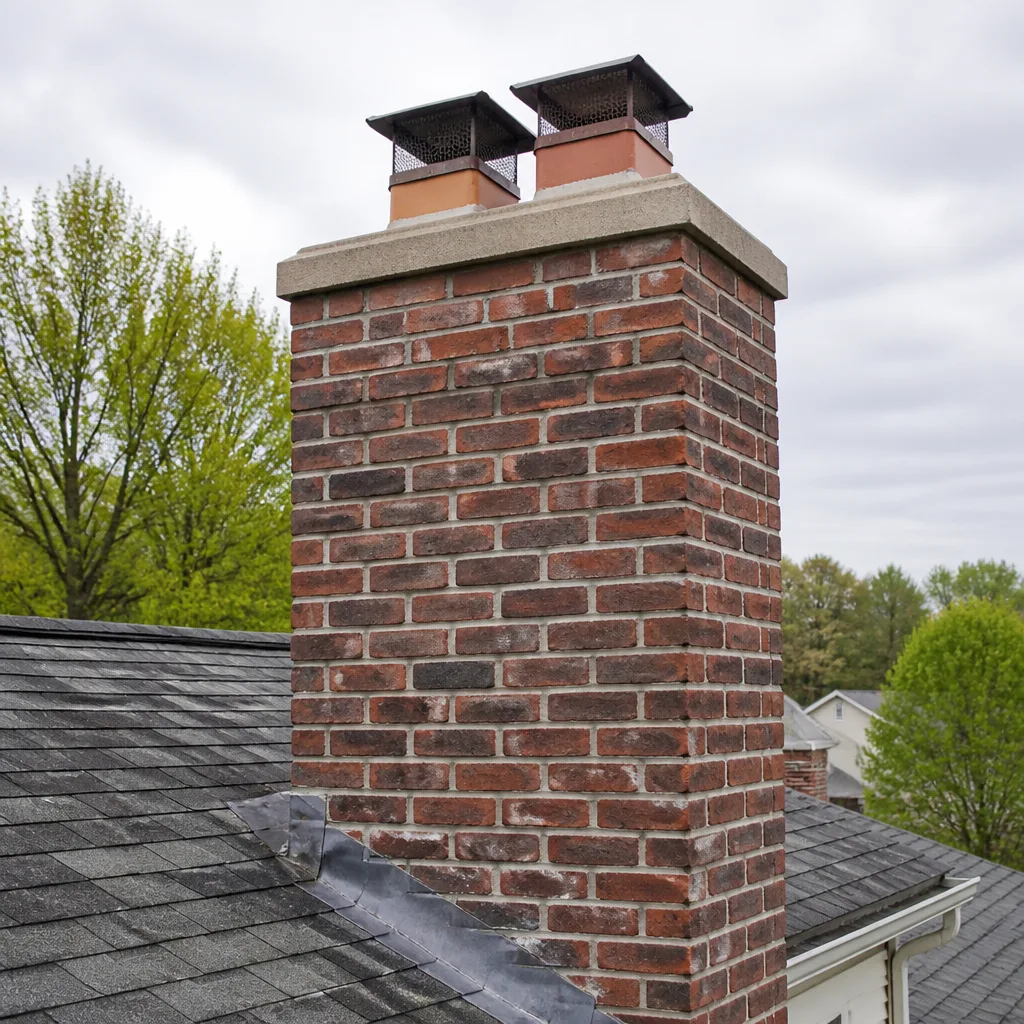 Masonry repair
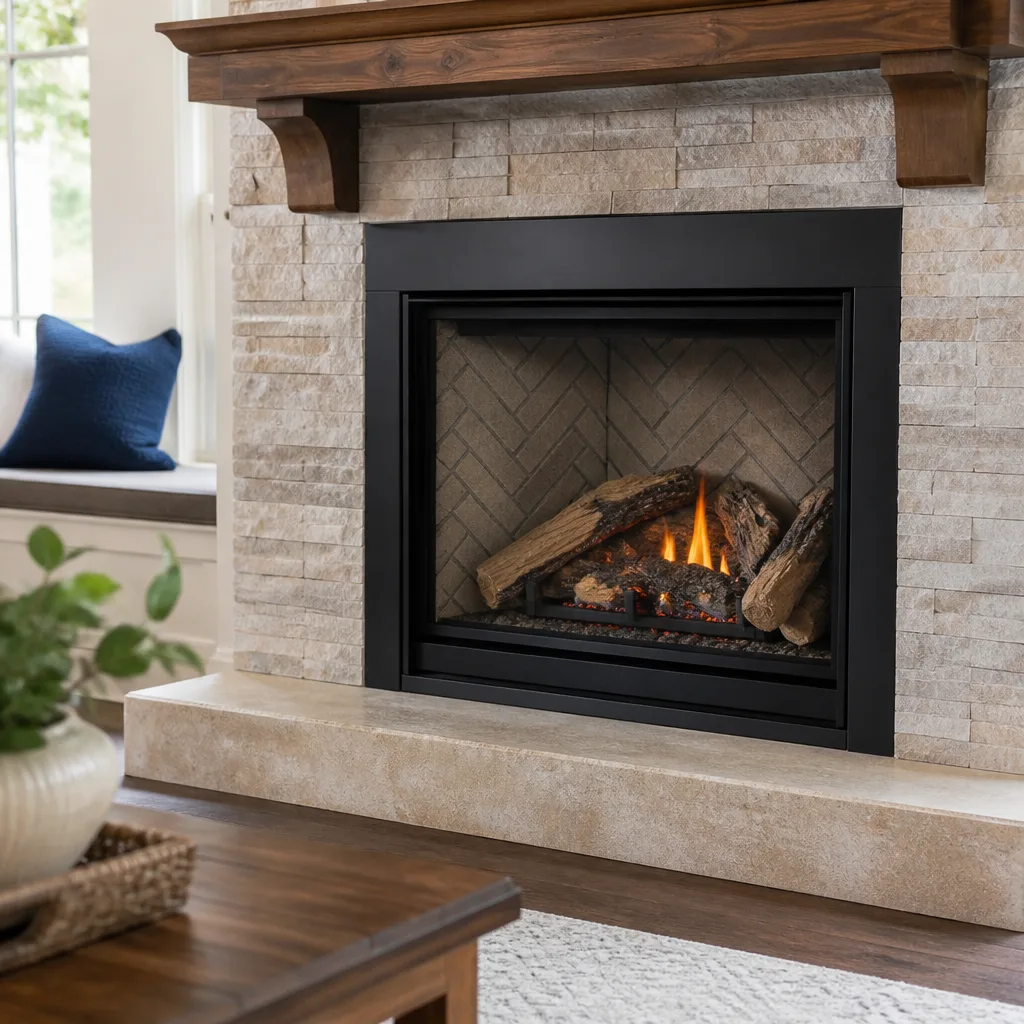 Gas fireplace service
Level 1 sweep and inspection to the NFPA 211 annual standard - flue, crown, cap, and flashing checked and photographed
Chimney sweep logs do not sweep chimneys. They loosen some creosote - which then falls where a brush and vacuum still have to collect it.
Chimney Cleaning Warning Signs: A Centennial Homeowner’s Reference Guide
A white stain on your chimney’s exterior isn’t a cosmetic issue. It’s efflorescence, and it means water is actively moving through your masonry right now, not eventually. Most warning sign articles lead with smoke and odor, but by the time those show up, the problem inside the flue is already well advanced. This guide works the other way. We start with what you can actually see from the driveway or smell from the living room, then walk backward to what’s happening inside the system and how urgent each finding really is. You’ll finish with a clear sense of what to monitor, what to schedule, and what shouldn’t wait. At Centennial Chimney Sweep, this is the reference we wish every Centennial homeowner had before calling anyone.
Quick Answer
The warning signs that matter most are the quiet ones: efflorescence (white staining on the masonry), spalling brick, a rusted damper, creosote odor in summer heat, and popping or rumbling sounds after the fire is out. Smoke and heavy odor during a fire are late-stage signals of a problem that’s already well developed. Any confirmed sign of water infiltration or a failing liner means schedule a full-system inspection before the next burn season. Anything involving a damaged flue liner or blocked flue is urgent.
Styles & brands we work with
- Sweep & inspection
- Caps & crowns
- Flue relining
- Masonry repair
- Gas fireplace service
Table of Contents
- The Symptom-to-Cause Chart: What You’re Seeing and What It Means
- White Staining and Efflorescence: Water Is Moving Right Now
- Spalling Brick: Reading the Depth of Water Damage
- Creosote Odor vs. Smoke Odor: Two Very Different Problems
- The Rusted Damper as a Downstream Symptom
- The Sounds Homeowners Dismiss (and Shouldn’t)
- Cap and Crown Failures That Drive Everything Else
- How to Rank Urgency: Monitor, Schedule, or Act Now
The Symptom-to-Cause Chart: What You’re Seeing and What It Means
When most people search for chimney cleaning warning signs, they’re really asking one question: which of these things can I ignore and which can’t I? The chart below is the fastest way to answer that. Each row pairs a visible or audible sign with the structural cause behind it and an urgency level. Urgency here has three settings. Monitor means note it and check again after the next burn season. Schedule means book a full-system inspection within the next few weeks, before the next burn season. Urgent means stop using the fireplace or wood stove until someone with the right training has looked at the flue.
- White staining on exterior masonry – Efflorescence from water moving through the brick and mortar. Schedule.
- Flaking or crumbling brick faces – Spalling from freeze-thaw cycles and trapped moisture. Schedule.
- Creosote smell in warm weather – Glazed creosote softening in the heat; the deposit itself is the problem. Schedule.
- Smoke smell and backdraft during a fire – Draft failure, blocked flue, or a liner that’s lost containment. Urgent.
- Rusted damper – Water getting past a failing cap or crown, running down the flue, and settling inside the firebox. Schedule.
- Popping or crackling after the fire is out – Creosote igniting or expanding; possible early-stage chimney fire. Urgent.
- Rumbling sound during a fire – A chimney fire already in progress. Urgent.
- Loose or missing cap – Direct water and animal intrusion. Schedule.
- Mortar crumbs on the roof or firebox floor – Interior flue joint failure. Schedule.
- Visible black, glazed buildup on the flue wall – Stage 3 creosote, the most flammable class. Urgent.
Notice what’s missing from this list: “chimney smoke.” A mild puff of smoke on a cold start is normal. A chimney that smokes repeatedly on every fire is a draft or blockage symptom, and that belongs in the Urgent column, not the “call us eventually” column. In our experience inspecting chimneys across Centennial, the symptom chart above is more reliable as a triage tool than any single sign. One sign alone is a question. Two or more signs pointing to the same root cause is an answer.
White Staining and Efflorescence: Water Is Moving Right Now
Efflorescence is a white, powdery, or crystalline deposit on brick, mortar, or concrete. It looks like a stain but it’s actually the residue of mineral salts carried to the surface by water moving through the masonry. That phrase, “water moving through,” is the whole story. The white residue is the evidence left behind after the water evaporates. It’s not a paint problem. It’s not something a power wash will fix. A power wash will, in fact, make it look worse by driving moisture deeper into the brick.
What separates efflorescence from a harmless surface bloom is where it appears and how it behaves. Surface bloom happens mostly in new masonry and stops within a season. Efflorescence on a chimney that’s already been through several winters means the moisture path is ongoing. The water is getting in somewhere, and it’s finding its way out through your brick and mortar, and the freeze-thaw cycle in the Denver metro and foothills climate is what turns that water into damage. At night the water freezes and expands; by day it thaws and pulls away; and the brick face weakens a little more each cycle. Centennial sits close enough to the foothills that we see this on both older masonry chimneys and some newer ones where the crown wasn’t sealed properly.
Common moisture entry points on a chimney:
- A cracked or unsealed crown at the very top
- A missing or undersized chimney cap letting rain straight down the flue
- Failed mortar joints on the exterior masonry
- A missing or improperly installed rain cap or spark arrestor
- Failed flashing where the chimney meets the roof
If you’re seeing efflorescence, don’t wait for the brick to start flaking. The next stage in this sequence is spalling, which is much more expensive to reverse. A full-system inspection will tell you where the water is getting in and whether the damage has already begun below the surface.
Spalling Brick: Reading the Depth of Water Damage
Spalling is efflorescence’s more serious sibling. Where efflorescence is a stain, spalling is brick faces actively flaking, crumbling, or popping off the chimney wall. When you can see brick faces separated from the brick body, or you’re finding small piles of brick crumbs at the base of the chimney or on the roof, the water damage has moved from the surface into the structural layer. The depth of the damage tells you how much time you have.
Read spalling patterns like this:
- Hairline surface flaking on one or two bricks – Early stage. The waterproofing layer has failed but the brick face is still mostly intact. Still worth scheduling an inspection.
- Multiple bricks flaking, scattered across the chimney face – Water is entering the masonry at several points. A crown or cap failure is likely feeding this. Schedule urgently.
- Brick faces missing, exposing the inner brick body – Deep infiltration. Those exposed faces will absorb more water next cycle. Schedule immediately; a repair plan is needed before winter.
- Whole-brick loss or visible gaps between bricks – Structural. The chimney’s weather-resistance is compromised and the flue liner may already be affected. Urgent.
Spalling concentrated at the bottom third of the chimney usually points to water running down from a failing crown and cap. Spalling concentrated on the side facing the weather (wind, rain, snow) points to failed mortar joints that need repointing. Spalling under the cap points to the cap itself letting water in from above. In our work across Centennial, we treat the pattern as diagnostic information before we look at the chimney from the roof, because the pattern is often the fastest way to locate the entry point. Once the entry point is confirmed, we can talk about whether HeatShield resurfacing, a new crown with Olympia Chimney components, or targeted masonry repair is the right approach for the flue itself.
Creosote Odor vs. Smoke Odor: Two Very Different Problems
Here’s the distinction most articles skip. The smell of creosote in summer heat and the smell of smoke during a fire come from two different failure modes. They’re often talked about as if they’re the same problem, and they’re not.
Creosote odor in warm weather. Creosote is the tar-like deposit left behind when wood burns incompletely. In cold weather it’s solid or semi-solid; in the warm months, when attic and chimney temperatures rise, it softens and off-gasses. You smell it on hot days even though the fireplace hasn’t been used in weeks. The smell itself isn’t a health issue, but it’s a signal that a flammable deposit exists on the flue walls. If that buildup has reached the glazed, shiny stage, it’s classified as the most flammable grade of creosote and the flash point is low enough that a hot ember is all it takes. A creosote smell in summer is a reason to schedule an inspection before you burn again, not a reason to buy a scented candle.
Smoke odor during a fire. Smoke smell in the room while the fireplace is in use points to a draft failure, not a buildup problem. That could be a partially blocked flue, a liner that’s lost containment, an undersized flue for the fireplace, a negative-pressure issue in the house, or a failing damper that’s not fully opening. It can also be a bird or animal nest sitting somewhere in the flue. This is the urgent category, because a blocked flue is a carbon monoxide risk, not just a smell.
How to tell them apart:
- Timing: creosote odor shows up when the fireplace is off; smoke odor shows up when it’s on
- Location: creosote tends to concentrate in the room where the fireplace is, especially in warm weather; smoke enters the living space through the firebox
- Weather: creosote odor gets stronger on warm, still days; smoke odor gets worse on cold or windy days when draft is challenged
- Feel: creosote smell is a musty, asphalt-like or campfire-like smell; smoke smell is smoke, and there’s no mistaking it
The reason this distinction matters for scheduling is that the creosote problem gets solved by a sweep and possibly a liner evaluation, while the smoke problem gets solved by diagnosing the draft and the flue. Chimney sweep work is a starting point; the full-system inspection is where the answer comes from.
The Rusted Damper as a Downstream Symptom
A rusted damper is almost never a damper problem. It’s a damper symptom of something else in the system, and 9 times out of 10 that something is water getting in from above. The damper sits at the top of the firebox, and water that enters the flue at the roof or at the crown runs down the inner walls and pools right at the damper plate. A damper that’s rusted solid or rusted shut hasn’t failed on its own. It’s been sitting at the bottom of a water path for at least a season, sometimes multiple.
The chain of cause and effect usually runs like this:
- The chimney cap loses integrity (cracked, missing, rusted out, undersized, or damaged by a storm).
- Rain and snowmelt enter the flue directly instead of being deflected.
- Water runs down the inner flue walls and lands on the damper.
- The damper plate rusts; the damper mechanism seizes.
- Moisture continues down to the firebox, where rust and efflorescence can spread to the firebox floor and the hearth.
What this means practically is that replacing the damper without addressing the cap and crown is a short-term fix. The new damper will rust too. In our work across Centennial, we’ve seen damper replacement recommended as a standalone fix by contractors who never inspected the roof. We don’t do that. Chimney cap & crown work is what stops the water, and cap and crown installation with Olympia Chimney or Famco components is the part of the repair that actually keeps the new damper functional. Once the cap and crown are sound, the damper has a chance to stay dry.
One more thing: a stuck-open damper is a heat loss problem; a stuck-closed damper is worse. A closed damper blocks the flue and turns every fire into a carbon monoxide risk. If your damper won’t open freely, don’t burn until it’s been checked.
The Sounds Homeowners Dismiss (and Shouldn’t)
Chimney sounds are the most misinterpreted symptoms in the whole system, mostly because they happen when the homeowner isn’t watching the fire. Three sounds deserve attention, and all three are commonly dismissed as “just the house settling” or “the wood popping.”
- A popping or crackling sound after the fire is out. Wood crackles while it burns; that’s normal. Creosote crackles after the fire is out and the flue is cooling, because the deposit on the flue wall is going through thermal contraction and the bond between the creosote and the clay has begun to release. This is the earliest audible sign of a deposit that needs removal, and sometimes of a small stage-one chimney fire that’s already burned itself out.
- A rumbling or low roar during the fire. This is the sound of a chimney fire in progress. It sounds like a freight train in the flue, in the worst cases. Do not put water on it, do not open the damper further, and get everyone out of the house. Call 911 first, then call us. A rumbling chimney is not a “we’ll get to it next week” situation.
- Popping, ticking, or snapping in the flue when the fire is at full draft. This is often glaze creosote igniting and expanding. It can sound like miniature firecrackers. Even if it stops on its own, it’s a warning that the flue needs to be swept before the next fire.
What about the “moaning” or “whistling” sound some homeowners hear on a windy day? That’s usually draft pressure interacting with a poorly fitting cap or an open top, and it’s more of an annoyance than a hazard, though it often points to an undersized or wrong-style cap that should be evaluated. In our experience, the sounds that matter most are the ones that happen after the fire, not during it, because that’s when the chimney is telling you what it’s holding onto.
Cap and Crown Failures That Drive Everything Else
If you take the average chimney problem and trace it back to its origin, you land on the crown or the cap more often than on any other component. The crown is the concrete or masonry cap at the very top of the chimney that covers the top of the brickwork. The cap is the metal or masonry structure that sits over the flue opening to keep rain, snow, animals, and debris out. When either one fails, everything below it starts to fail too, and the order of failure is predictable.
Common crown and cap failures we see in the Centennial area:
- Crown cracks – The crown pulls away from the flue at the joint line, opening a path straight down into the masonry.
- Crown spalling – The crown material itself flakes away, especially where a previous repair used a concrete mix that doesn’t expand and contract with the chimney.
- Missing rain cap – Leaves, nests, and direct rainfall enter the flue.
- Rusted-out metal caps – The cap becomes a sieve, dripping water into the flue rather than deflecting it.
- Undersized caps – Don’t cover the flue edge properly, leaving a gap for water and small animals.
- Caps improvised with caulk or mesh – Fail fast in our freeze-thaw climate.
A crown failure feeds efflorescence. Efflorescence feeds spalling. Spalling lets water reach the flue liner. A rusted damper and a firebox floor with moisture damage are the downstream results. Cap and crown installation with manufacturer-grade components is the cheapest fix in the whole chain, and it’s the one that stops the rest. That’s why we carry Olympia Chimney and Famco components in every cap and crown job: the products are made for this climate, and improvised solutions don’t hold up through a Colorado winter. Once the flue is dry, the next step is whether the liner itself has held up, and that’s where DuraFlex or HeatShield systems come in if a reline or resurfacing is needed.
How to Rank Urgency: Monitor, Schedule, or Act Now
Ranking urgency is the single most useful thing you can do with the signs in this guide. Most chimney problems fall into one of three categories, and sorting by category keeps you from either overreacting or underreacting. Here’s how to sort.
Monitor. One small sign, mild in nature, and no other signs pointing to the same problem. Examples: a single brick flaking on one chimney face, a bit of creosote odor on the first warm day of spring, a whistle on a windy day. Monitoring means noting it, checking again in a few months, and scheduling an inspection before the next burn season if it’s still there or worse. Monitoring is not the same as ignoring.
Schedule. Two or more signs from the chart above, or one sign that indicates water infiltration or a failed cap or crown. Examples: efflorescence plus a rusted damper, spalling brick plus a loose cap, creosote odor plus visible buildup. Schedule a full-system inspection within the next few weeks, before the next burn season, so there’s time to plan any repair without rushing it.
Urgent. Any sign of an active chimney fire, a blocked flue, a damaged liner, or a carbon monoxide symptom. Examples: rumbling during a fire, popping after the fire is out, smoke coming into the room during use, a damper that won’t open. Stop using the fireplace or wood stove until someone with the right training has inspected the flue. This is a safety call, not a scheduling call.
If you’re not sure which column you’re in, the inspection resolves it. We inspect the full system (liner, crown, cap, firebox, and flue) before we recommend anything, and we tell you plainly when work can safely wait. That’s the standard we hold every Centennial Chimney Sweep job to.
Common Mistakes to Avoid
- Treating efflorescence with a power wash. A power wash drives water deeper into the masonry and makes the efflorescence return faster. The right response is to find the water entry point, not to wash the symptom away.
- Replacing a rusted damper without checking the cap and crown. The new damper will rust too, because the water path that rusted the old one is still in place. Fix the top of the chimney first.
- Burning a “cleaning” log and calling it done. Chemical chimney cleaning logs soften creosote but they don’t remove it, and they don’t inspect the flue. On a glazed deposit, they can actually help the deposit ignite. They’re not a substitute for a sweep, and they’re definitely not a substitute for an inspection.
- Assuming a smoke smell during a fire is normal. It’s not. A properly drafting chimney sends smoke up the flue. Smoke entering the room is a draft problem, and in the coldest Centennial weeks a negative-pressure house makes it worse.
- Waiting until the first cold snap to book. The pre-season window fills up. Booking in late summer or early fall, before the first cold snap, means the inspection and any repair fit in before the burn season starts.
- Hiring a generalist handyman to look at a chimney. A handyman can install a cap; they usually can’t diagnose a liner problem, and they almost never have HeatShield training or DuraFlex liner systems on hand. Chimney systems are precision work, not side work.
- Ignoring sounds after the fire is out. Popping or crackling after the fire has been extinguished is not the wood settling. It’s a symptom that needs a sweep and an inspection, and it can be the earliest audible sign of a stage-one chimney fire.
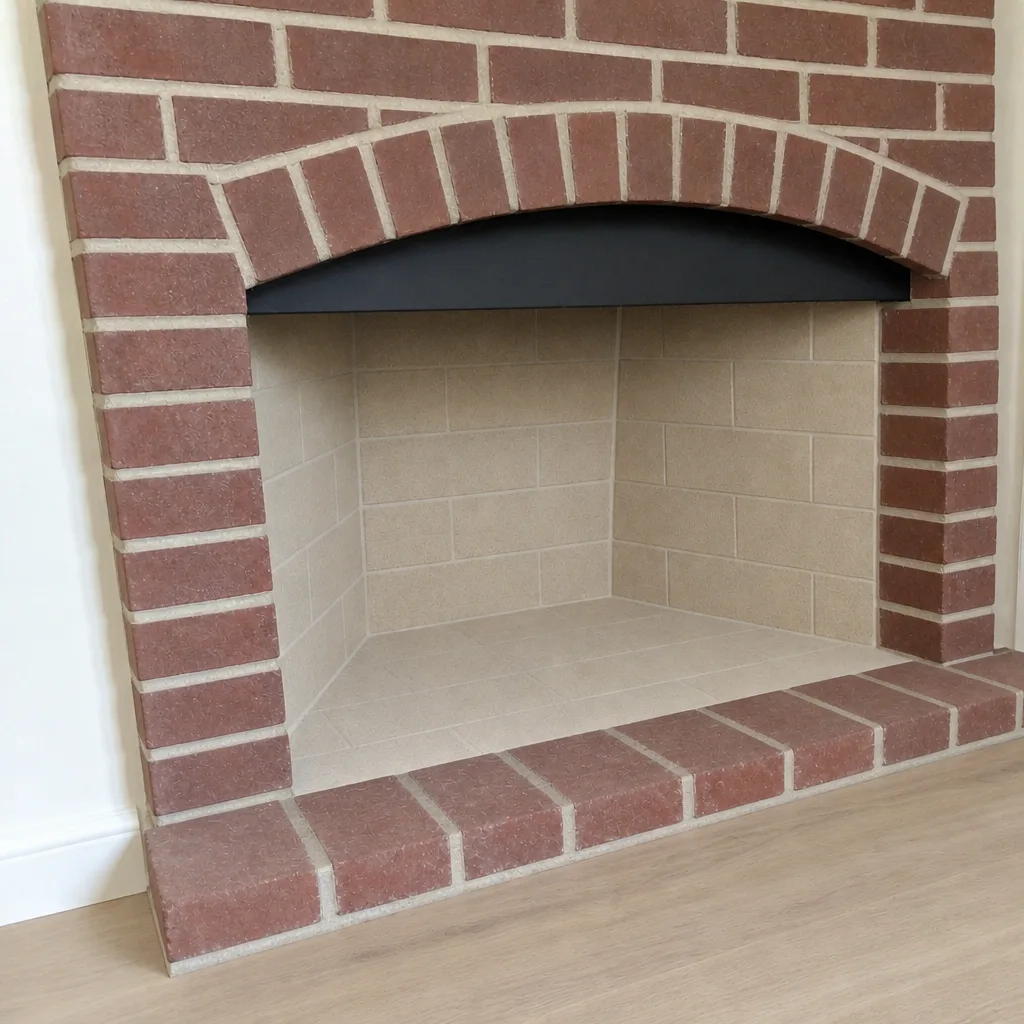
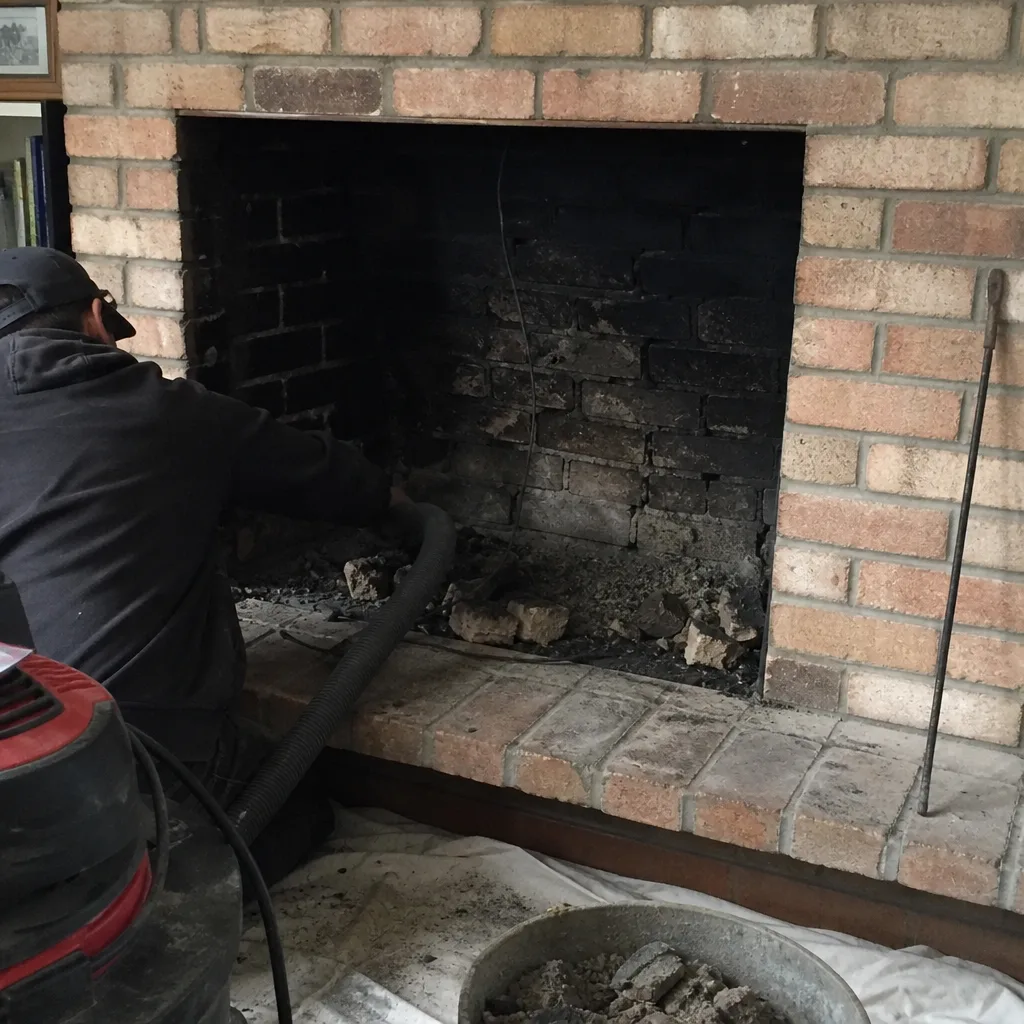
See the difference
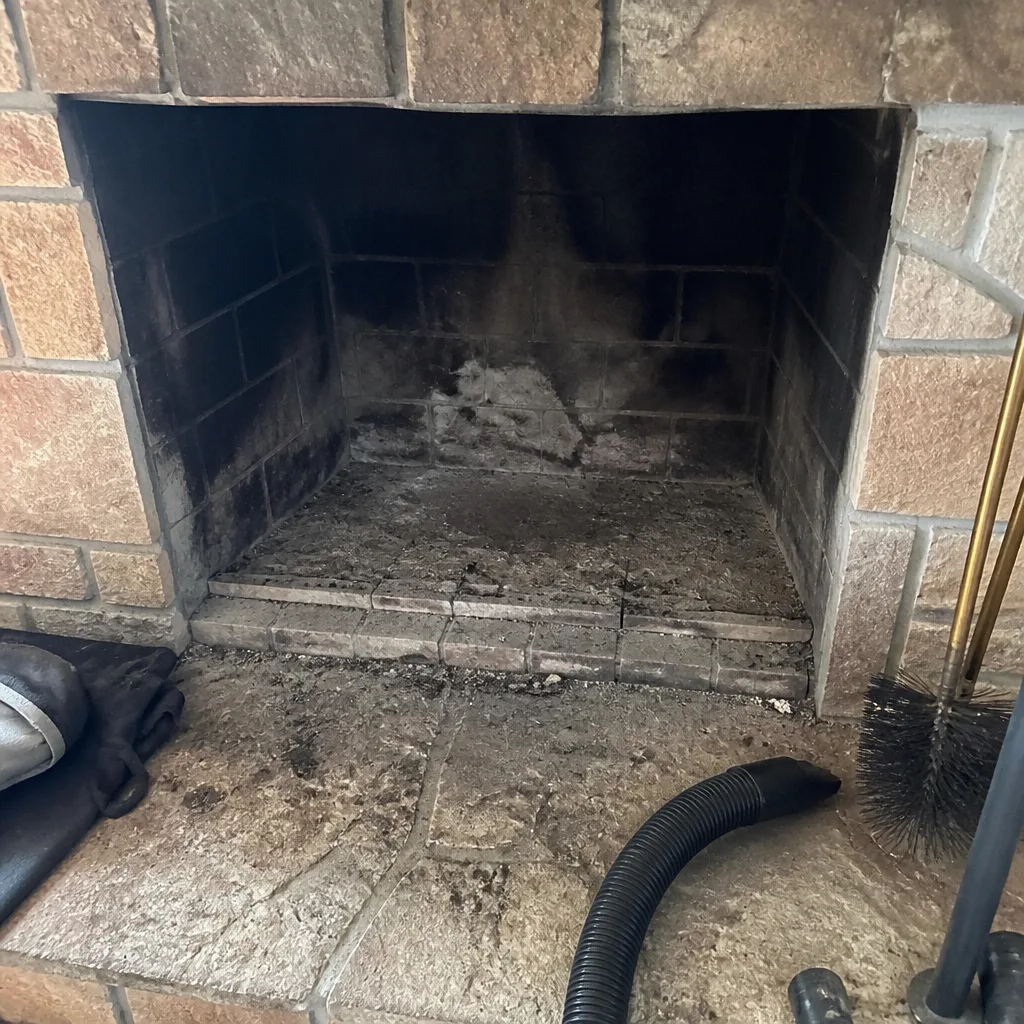 Before
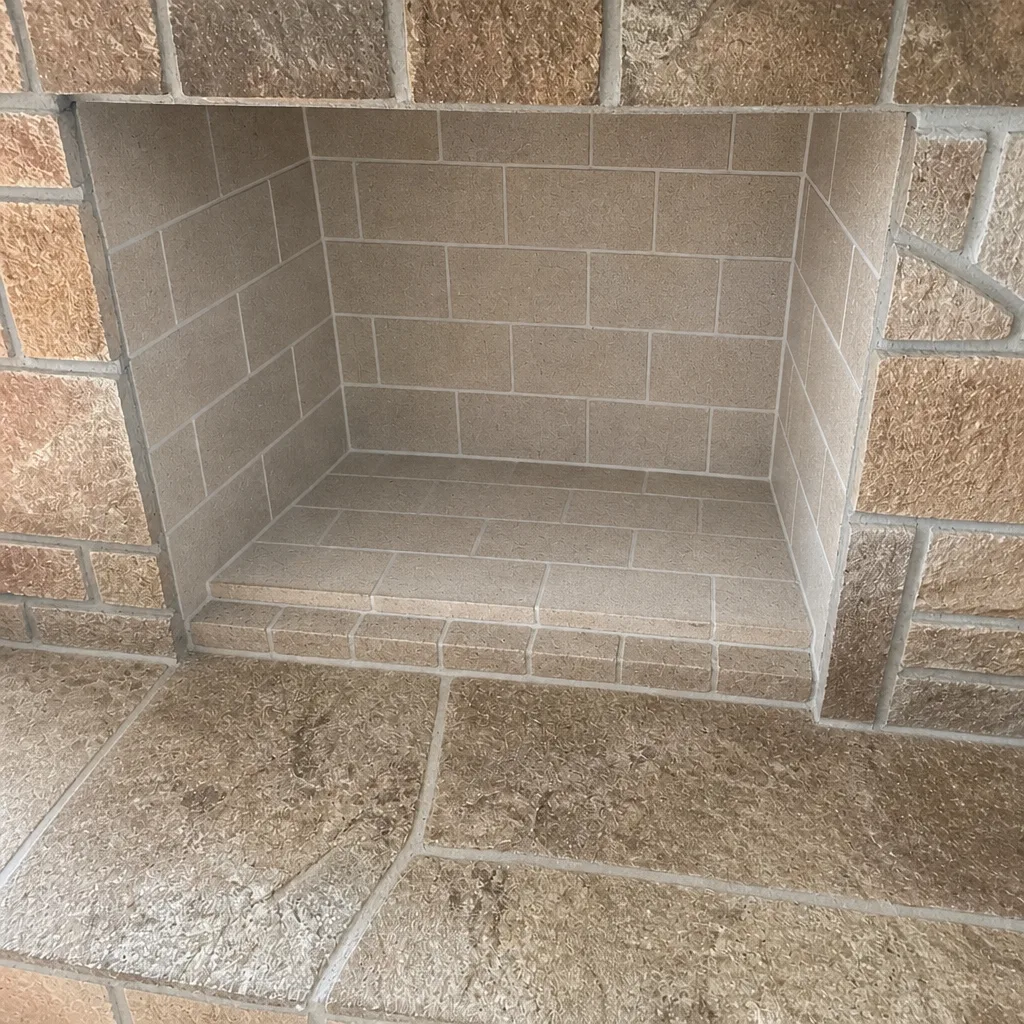 After
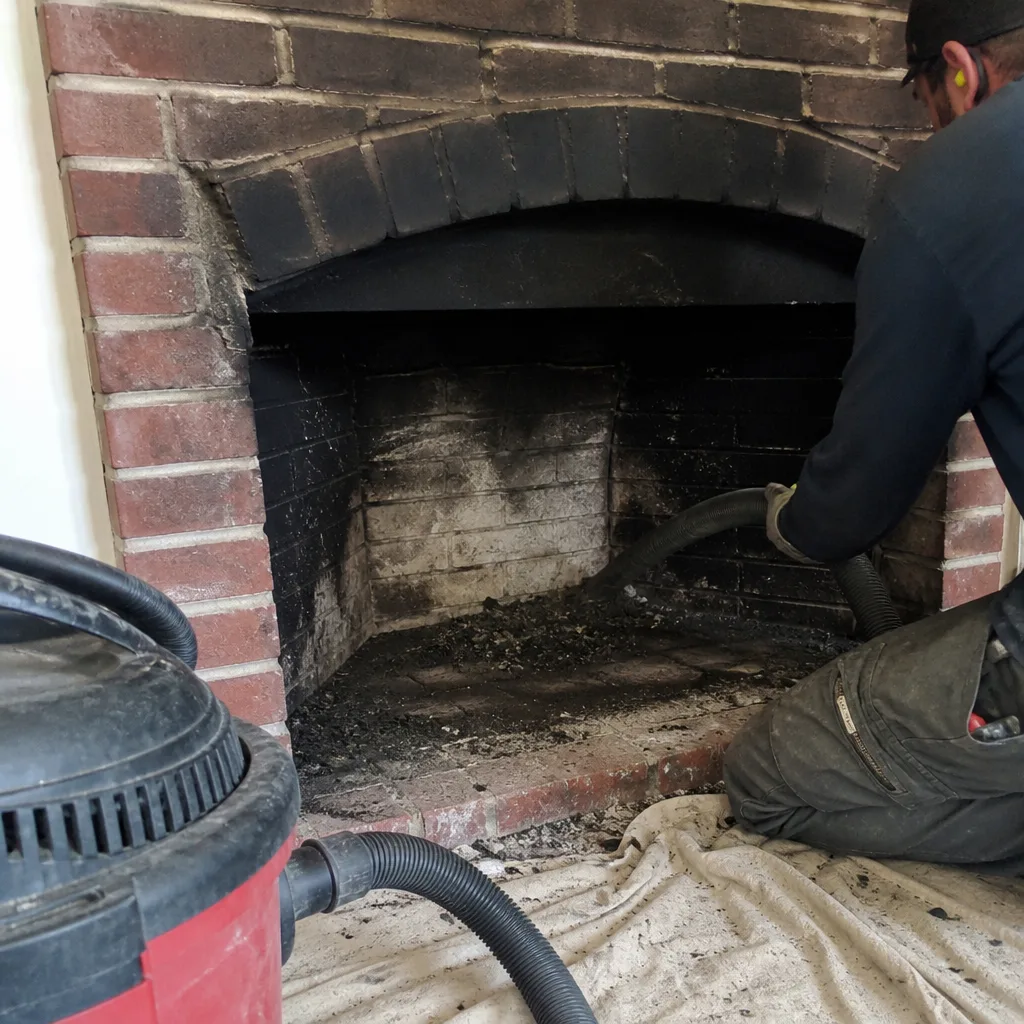 Before
 After
 Before
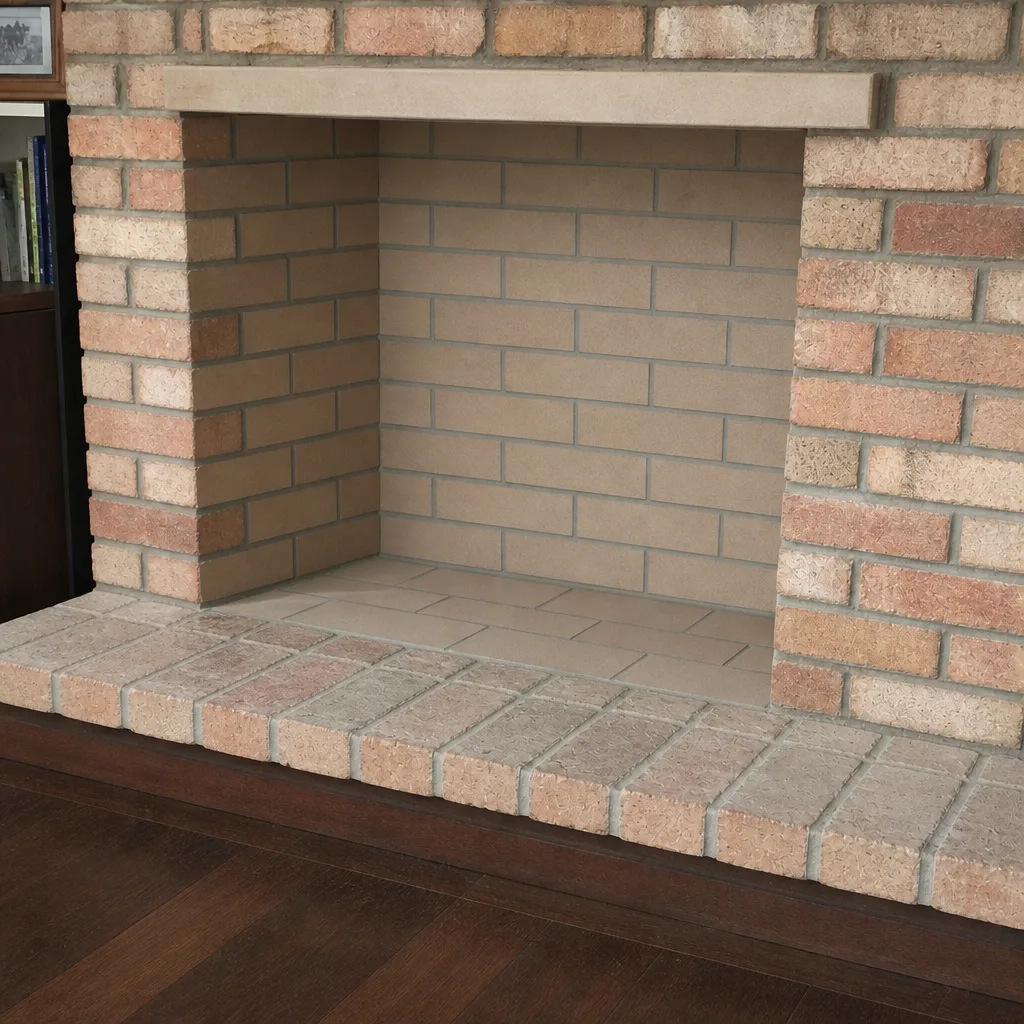 After
When to Call a Professional
Call a professional when any of the following is true: you’ve confirmed efflorescence with signs of spalling; your damper is rusted or sticking; you smell creosote in the warm months; smoke enters the room during a fire; you hear popping, crackling, or rumbling after the fire is out; you see visible black or glazed buildup on the flue wall; or you haven’t had the chimney inspected in over a year of regular use. Anything in the Urgent column above is a call-now, not a call-soon. For everything else, the right move is a full-system inspection, because the inspection is what separates “cosmetic” from “needs repair” without guesswork. Centennial Chimney Sweep offers free estimates in Centennial. Call (855) 629-6492. We answer 24/7. Fast dispatch from 7am to 7pm, Sunday through Friday.
Frequently Asked Questions
The clearest signs are efflorescence (white staining on the exterior masonry), spalling brick, a rusted or sticking damper, creosote odor in warm weather, visible black or glazed buildup on the flue wall, and popping or crackling sounds after the fire is out. Smoke entering the room during a fire is an urgent sign, not a mild one. Any two of these pointing to the same root cause is a reason to schedule a full-system inspection before the next burn season. Call (855) 629-6492 for an exact quote. Estimates are free.
Yes, usually. White staining on brick is called efflorescence and it means water is actively moving through the masonry, carrying mineral salts to the surface. The stain itself is cosmetic, but the water path behind it is not. If it’s paired with flaking brick faces, the damage has already moved into the structural layer and an inspection should be scheduled soon. Centennial Chimney Sweep inspects the full system (liner, crown, cap, firebox, and flue) before recommending anything, and we don’t suggest masonry work without showing you the evidence.
That’s creosote odor, and it’s the deposit on the flue wall softening and off-gassing as the attic and chimney heat up. It’s not the same as smoke smell during a fire, which points to a draft or blockage problem. Summer creosote odor means a flammable deposit exists on the flue wall, and the right response is to schedule a sweep and inspection before you burn again next season. Call (855) 629-6492 for an exact quote. Estimates are free.
Not advised, because the rusted damper is usually the symptom, not the cause. Water is entering the flue from a failing cap or crown, running down the inner wall, and pooling at the damper plate. Replacing the damper without fixing the cap and crown just gives the next damper a sooner rust date. The right fix is a chimney cap and crown repair first, so the flue stays dry. In our experience, that’s the difference between a fix and a repeat visit.
It usually means creosote on the flue wall is contracting as the flue cools, and in some cases it’s a small chimney fire that has already burned itself out. Either way it’s a sign the flue needs a sweep and an inspection. If you hear rumbling or a low roar during the fire itself, that’s an active chimney fire: get everyone out, call 911, then call us. Call (855) 629-6492. We answer 24/7. A call outside dispatch hours is booked into the next opening, Sunday through Friday, 7am to 7pm.
Once a year for a chimney in regular use, and again any time the signs in this guide show up. Centennial’s freeze-thaw cycles put more stress on masonry than a consistently cold climate would, so annual inspection is worth keeping even in years when nothing seems wrong. Our technicians have up to 8 years of experience and carry the full-system training to evaluate a chimney from the crown to the firebox in one visit. Call (855) 629-6492 for a free estimate.
The Bottom Line
The visible signs are the beginning of the story, not the end of it. Efflorescence means water is moving now. Spalling means the water has reached the structural layer. A rusted damper means the cap and crown have already failed. A popping sound after the fire points at what the flue is holding. Read them in that order and the system tells you exactly how much time you have. At Centennial Chimney Sweep, we inspect the full system (liner, crown, cap, firebox, and flue) before recommending anything, and we tell you plainly when work can wait. One call covers the sweep, the inspection, and any repair your chimney actually needs. If you’ve found a sign in this guide and want an answer you can see for yourself, Centennial Chimney Sweep is the number to call.
If the inspection turns up a liner issue, we use fireplace repair methods and DuraFlex liner systems only where the evidence shows they’re needed, and HeatShield resurfacing where the flue is sound enough for it. Every recommendation comes with the photo evidence to back it up.
Contact
Call (855) 629-6492 for a free estimate. We answer 24/7. Fast dispatch from 7am to 7pm, Sunday through Friday. A call outside dispatch hours is booked into the next opening. The written estimate sets the price, and the estimate is free.
Written by the team at Centennial Chimney Sweep.