
Last updated November 23, 2026
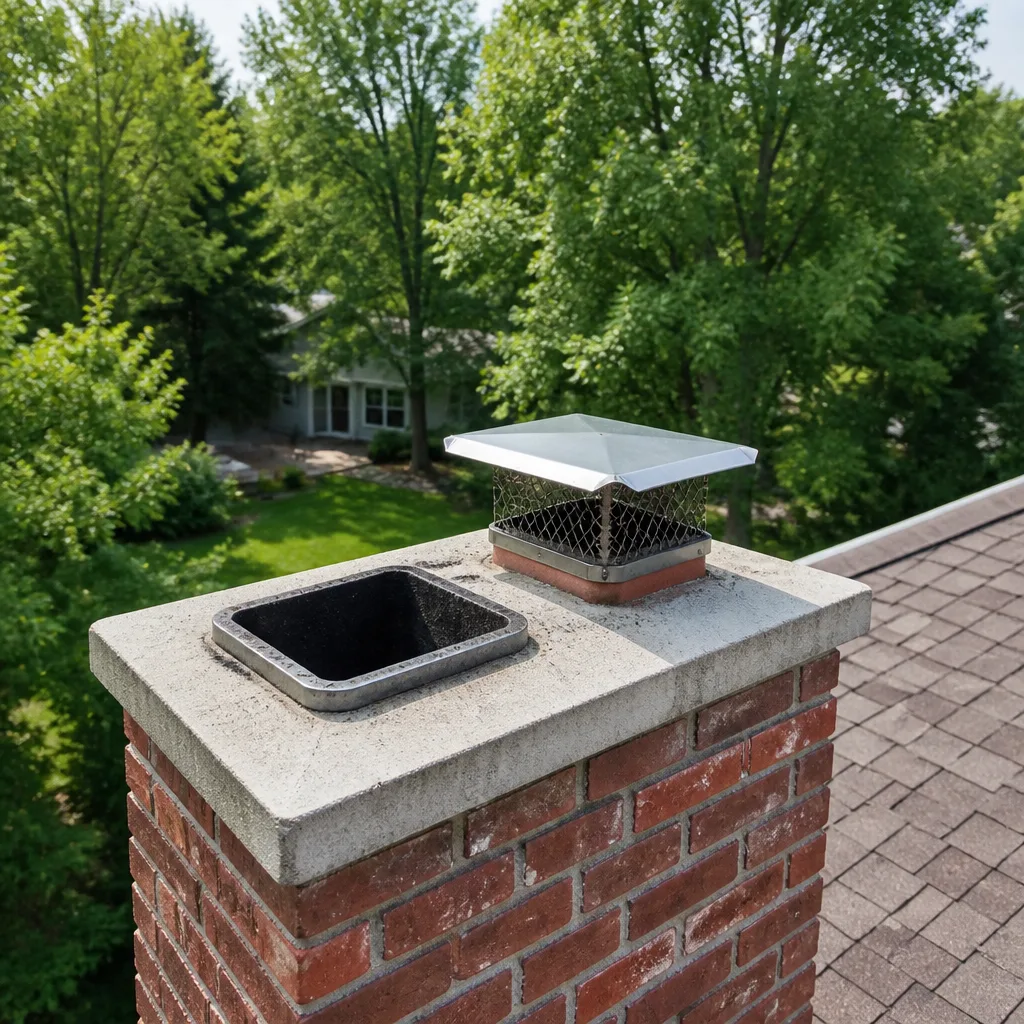 Sweep & inspection
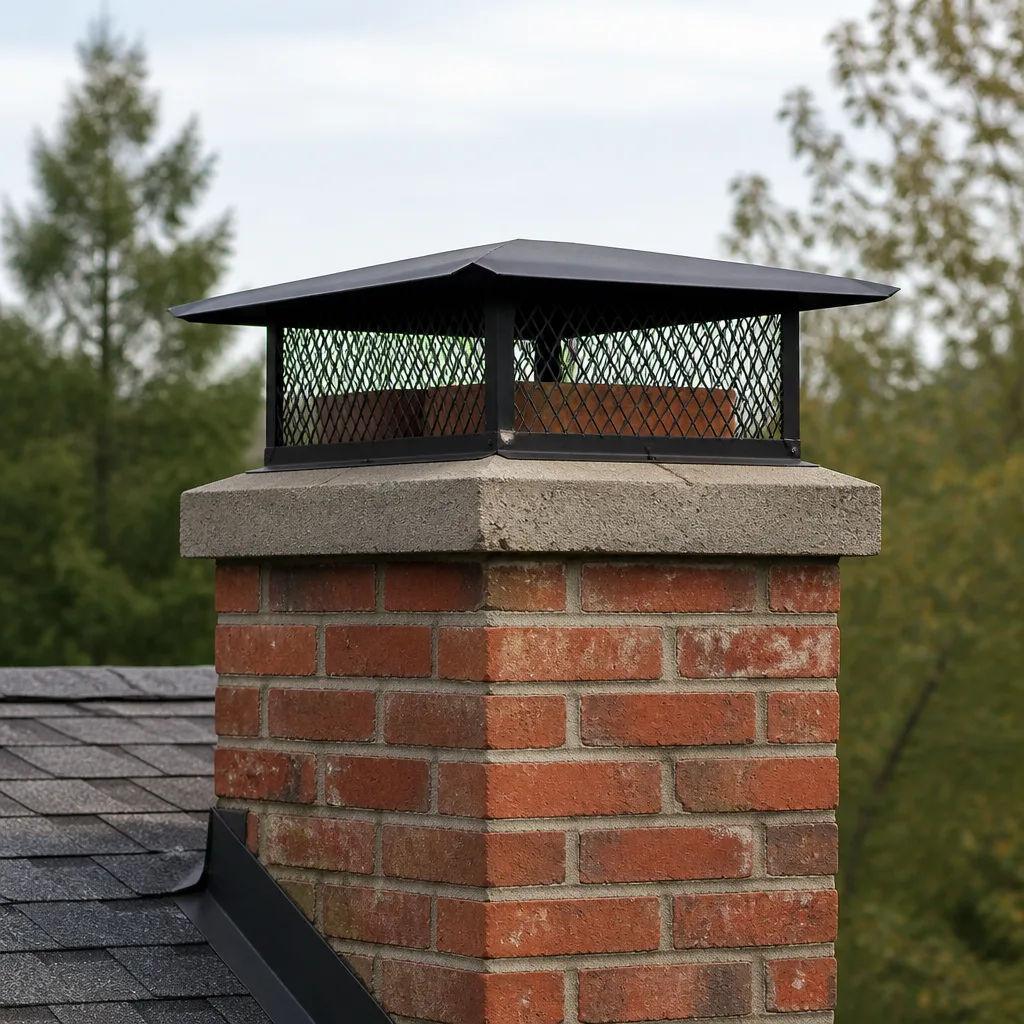 Caps & crowns
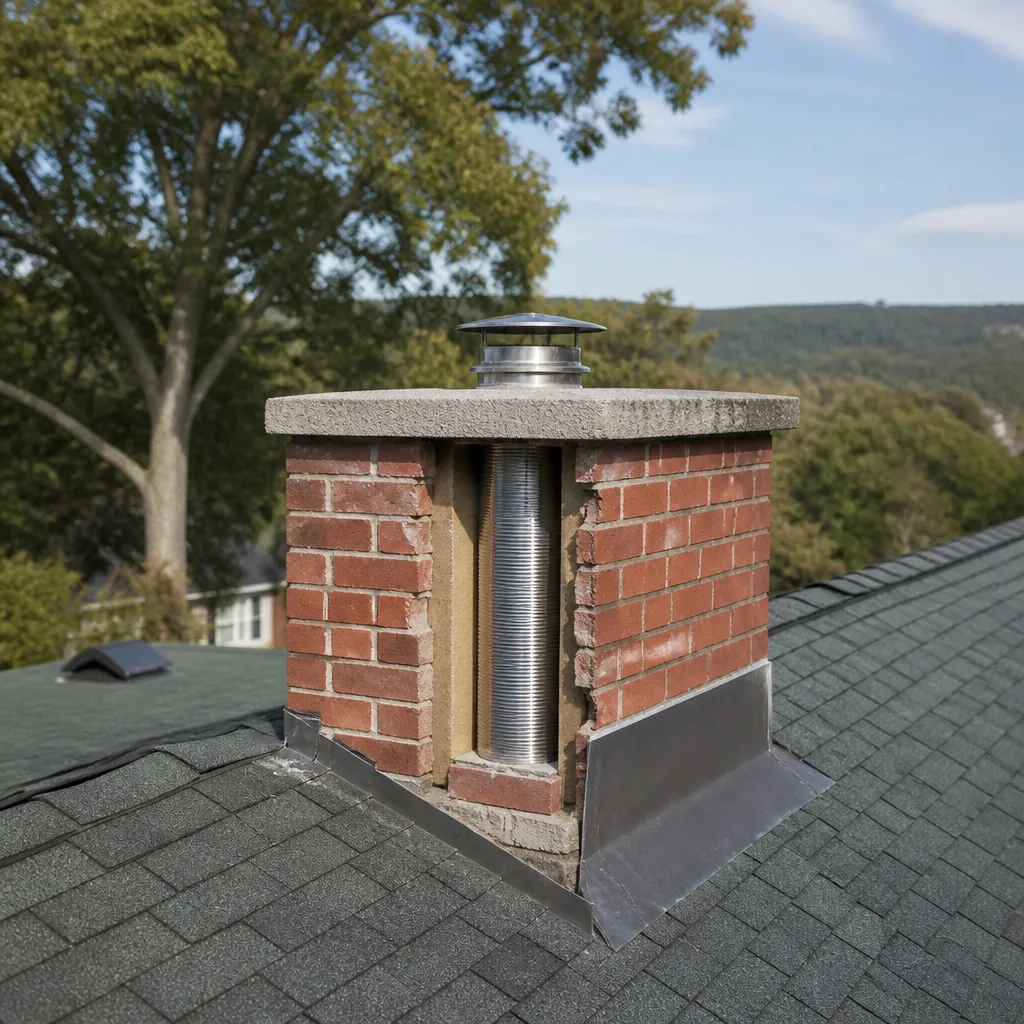 Flue relining
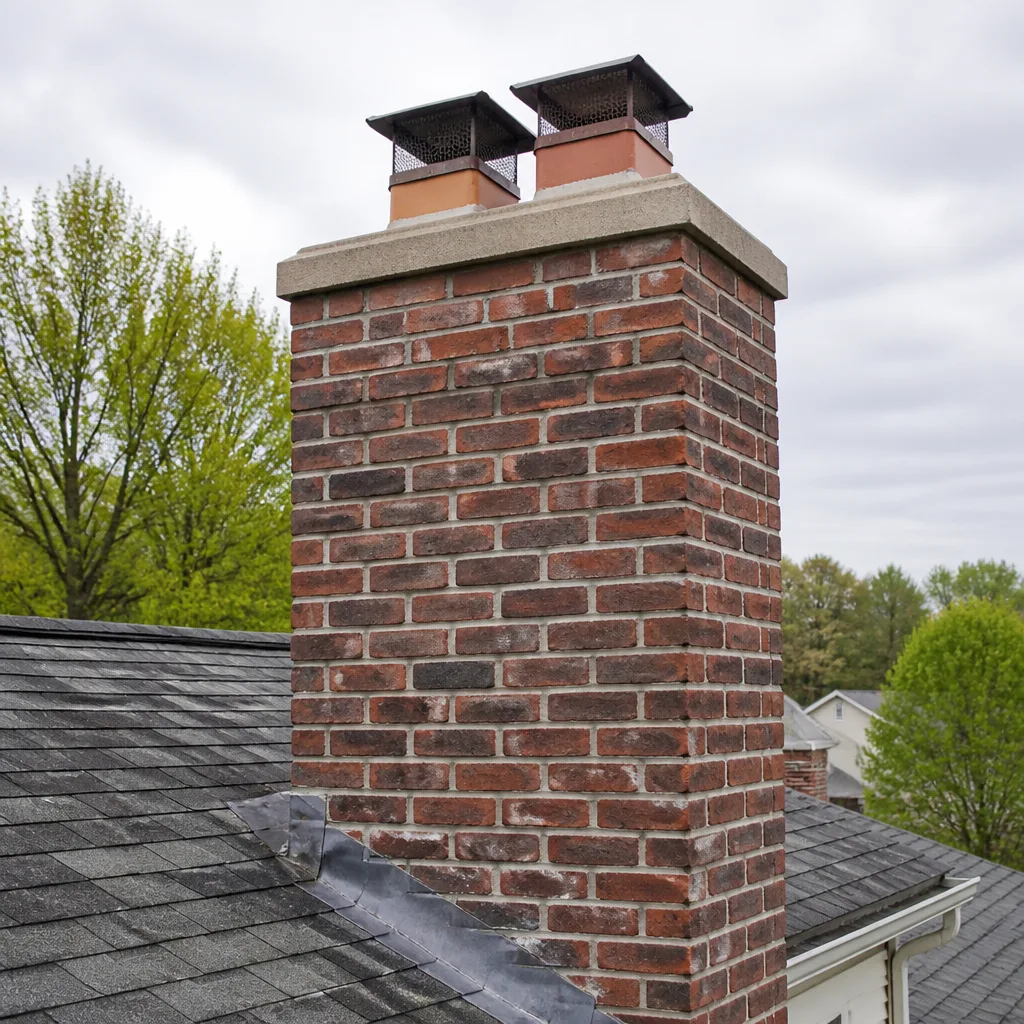 Masonry repair
 Gas fireplace service
Level 1 sweep and inspection to the NFPA 211 annual standard - flue, crown, cap, and flashing checked and photographed
Chimney sweep logs do not sweep chimneys. They loosen some creosote - which then falls where a brush and vacuum still have to collect it.
Chimney Sweep Maintenance Checklist for Centennial Homeowners
Most homeowners think a sweep receipt is the proof they’ll need if a chimney fire ever turns into an insurance claim. It usually isn’t. Adjusters handling chimney fire claims increasingly ask for a maintenance history, not a single invoice, and a receipt that says “swept” tells them almost nothing about the condition of your cap, crown, flashing, or liner. The checklist below is built to close that gap. It walks through every component of the system in the order a professional evaluates them, marks which items you can safely check yourself, and shows you how to log the results so they hold up for an insurer, a home sale disclosure, or your own memory five winters from now. It’s the same sequence we work through on Centennial homes, adjusted for what this Front Range climate actually does to chimneys.
Quick Answer
A usable chimney maintenance checklist for a Centennial home covers seven components – cap, crown, flashing, liner, smoke chamber, damper, and firebox – inspected at least once a year and after any major hail or heavy snowpack event. Log each item with a date, a photo, and a pass or flag result. That record is what protects you in an insurance claim or a home sale, and it’s the reason a sweep alone isn’t enough.
Styles & brands we work with
- Sweep & inspection
- Caps & crowns
- Flue relining
- Masonry repair
- Gas fireplace service
Table of Contents
- Why a Checklist Matters More Than a Receipt
- The Component-by-Component Checklist
- What You Can Check Yourself vs. What Needs a Camera
- How to Log Maintenance for Insurance and Disclosures
- Centennial Conditions That Trigger an Out-of-Cycle Inspection
- What “Passing” Looks Like on Each Item
- Common Mistakes to Avoid
- When to Call a Professional
- Frequently Asked Questions
Why a Checklist Matters More Than a Receipt
A sweep receipt confirms someone cleaned the flue. It does not confirm the cap was attached, the crown was intact, or the liner was sound at the time. When an insurance company is deciding whether to cover damage from a chimney fire, those are the questions that matter, and a one-line invoice doesn’t answer any of them.
Home sale disclosures work the same way. A buyer’s inspector will look at the chimney, and if the seller can’t produce a component-level record, the buyer’s agent will often ask for a full inspection before closing. A homeowner who kept a simple log – dated, photographed, marking each part of the system – has a far easier time at the negotiating table.
This is also why a generic national checklist doesn’t serve a Centennial homeowner well. A template written for a humid eastern climate focuses on rust and moisture. Here, the failure points are different: hail hammering a cap, snowpack loading a crown, temperature swings opening hairline cracks in mortar, and a long dry heating season that lets creosote build fast. At Centennial Chimney Sweep, we built this checklist around those specific pressures, not a one-size template.
The Component-by-Component Checklist
Work through these in order. The top-down sequence mirrors what a technician does, because problems at the top of the system often explain symptoms lower down. Check each item on a dry day so you can tell the difference between active moisture and old staining.
- Cap. From the ground with binoculars, confirm the cap is present and sitting level. Look for dents, missing screws, or a cap that’s slipped sideways. A loose cap lets rain, birds, and debris straight into the flue.
- Crown. The crown is the concrete or mortar cap on top of the chimney. Check for cracks wider than a hairline, spalling, or a crown that’s detached from the flue. A cracked crown channels water into the masonry and shows up later as interior staining.
- Flashing. The metal where the chimney meets the roof. Look for lifted edges, gaps, rust, or roofing tar smeared over a joint – that last one is a common shortcut that fails within a few seasons.
- Liner. The flue’s inner wall. This one is not a good candidate for a homeowner check; it needs a camera. Note it in your log as “pending camera inspection” and get it evaluated.
- Smoke chamber. The sloped section above the damper where smoke gathers before rising. It collects creosote and soot that a straight flue brush won’t reach. Professional tooling is required.
- Damper. Open and close it by hand. It should move freely and seal flush. A damper that sticks open wastes heat; one that sticks closed pushes smoke into the room.
- Firebox. The masonry enclosure where the fire sits. Look for cracked firebrick, crumbling mortar joints, or gaps between the brick and the surround.
If you’d rather not run the roof-level checks yourself, that’s the sensible call. Our chimney sweep visits walk this exact list from the crown down to the firebox, and we photograph each item so you have a record whether or not you ever need it.
What You Can Check Yourself vs. What Needs a Camera
Roughly half this checklist is safe for a homeowner with a flashlight and a pair of binoculars. The other half requires either a camera, a ladder you shouldn’t be on in Centennial’s wind, or a tool most people don’t own. Knowing the line is what keeps you safe and keeps your log credible.
- Homeowner-checkable: cap presence and level, obvious crown cracks visible from the ground, flashing edges, damper operation by hand, firebox brick condition, and general signs of water staining around the chimney on the interior ceiling.
- Needs a camera or professional tool: the full liner interior, the smoke chamber, hidden flashing under shingles, and any mortar joint you can’t reach safely.
- Needs a ladder you should skip: close inspection of the crown surface, cap fasteners, and the top of the flue. A fall from a snowy or icy Centennial roof is a real risk, and no checklist item is worth it.
Static electricity, downdrafts, and steep pitches all argue for leaving the roof work to someone trained for it. If you’re ever unsure whether an item belongs in your column or ours, put it in ours. We’d rather look at it and tell you it’s fine.
A professional full-system inspection covers every one of these at once and returns a written report you can file. That’s a different product from a sweep, and it’s the one an insurer will actually read.
How to Log Maintenance for Insurance and Disclosures
A log only helps if it’s structured, dated, and specific. A folder of loose invoices won’t do it. Keep one document – paper or digital – with the same columns every time, and update it after each visit.
- Date and season. Record when the check happened and whether it was the annual sweep or an extra inspection after a storm.
- Component. List each of the seven items separately – cap, crown, flashing, liner, smoke chamber, damper, firebox – with its own result line.
- Result. Mark pass, flag, or pending. A “pending” is honest and useful; a blank line looks like you skipped it.
- Photo. Attach one photo per component where possible. For interior items, use the camera shots from the professional report.
- Work performed. Note any repair, resurfacing, or replacement, with the product used. This is where brand details matter – “HeatShield resurfaced” carries weight a vague “liner work” note doesn’t.
Keep the log with your home documents, not your tax folder. When a home sale disclosure asks about the chimney, you’ll want it where you can find it in five minutes. If an insurance claim ever comes up, that same log is the difference between a smooth process and a disputed one.
Centennial Conditions That Trigger an Out-of-Cycle Inspection
An annual check is the baseline, but Centennial’s weather will occasionally demand an extra look. The Front Range doesn’t do anything gently – hail, heavy snowpack, and sharp temperature swings all stress a chimney in ways that a flat, mild climate never would.
- Hail. A significant hail event can dent or crack a metal cap and chip a concrete crown. If your neighborhood saw quarter-size or larger, walk the checklist again within a couple of weeks.
- Heavy snowpack. A winter of deep snow loads the crown and the roof-chimney joint. Meltwater refreezing in a hairline crack widens it. Check flashing and crown after a heavy snow, before the spring thaw.
- Rapid temperature swings. The freeze-thaw cycling Centennial sees in late winter and early spring works mortar joints loose. If you notice new staining on the ceiling or white powdery deposits on the exterior masonry, don’t wait for the next scheduled sweep.
- Wind events. A strong windstorm can lift a cap or shift a flashing edge. Any storm that knocks shingles loose is worth a chimney look too.
Adding a storm-triggered check to your annual one costs little and catches damage while it’s still small. That’s the whole point of a maintenance discipline – catching a cracked crown before it becomes a water-damaged smoke chamber.
What “Passing” Looks Like on Each Item
A checklist only works if you know what a pass actually is. “Looks fine” is not a result. Here’s the standard for each component, so your log says something an adjuster or buyer can trust.
- Cap – pass: present, level, secured, no dents or cracks, mesh intact. Flag: tilted, dented, missing fasteners, or absent.
- Crown – pass: intact surface, sealed to the flue, no cracks wider than a hairline, no spalling. Flag: visible crack, crumbling edge, or a crown pulling away from the flue.
- Flashing – pass: metal sits flat, no lifted edges, no rust-through, no tar patch. Flag: separation, rust, or a tarred-over joint.
- Liner – pass: continuous interior wall, no gaps or cracks, camera-verified. Flag: any crack, gap, or missing section.
- Smoke chamber – pass: smooth sloped surface, no heavy creosote buildup, no damaged mortar. Flag: rough surface, buildup, or crumbling mortar.
- Damper – pass: opens and closes freely, seals flush. Flag: sticks, won’t seal, or feels loose.
- Firebox – pass: firebrick and mortar intact, no gaps at the surround. Flag: cracked brick, crumbling joints, or a gap that lets air through.
Any flag moves to the next step: professional evaluation. Many flags are minor and can wait for your next scheduled visit; a few – a failed liner, a detached crown, a gap in the firebox – need attention before you burn again. We’ll tell you which is which, and we don’t recommend work without camera evidence you can see yourself.
For structural concerns on the cap or crown, that’s a job for a specialist who stocks manufacturer-grade components rather than improvised hardware-store parts. Our chimney cap & crown work uses Copperfield and Famco components chosen for the specific fit, not whatever’s on the shelf.
Common Mistakes to Avoid
- Treating a sweep receipt as your whole record. A one-line invoice tells an adjuster nothing about the state of your cap, crown, or liner. Keep a component-level log alongside it.
- Checking the crown from a snowy roof. Centennial roofs are slick and icy for much of the heating season. Use binoculars from the ground; leave the ladder work to a trained technician.
- Skipping the smoke chamber in a “full” inspection. A basic brush sweep doesn’t reach it. If your inspection report doesn’t mention the smoke chamber, it wasn’t a full-system inspection.
- Assuming a tar patch fixes a flashing leak. It’s a shortcut that fails within a season. Proper flashing work uses metal, not sealant.
- Ignoring a hairline crown crack. In this climate, freeze-thaw will widen it fast. A small crack is cheap to seal; water damage to the smoke chamber is not.
- Waiting for a storm-triggered problem to show up indoors. Ceiling staining means water’s already inside the system. Check after hail and heavy snow before that happens.
- Letting a creosote buildup go a season too long. A long, dry heating season builds creosote quickly, and heavy buildup is a chimney fire risk. Don’t stretch the interval on the assumption that last year was fine.
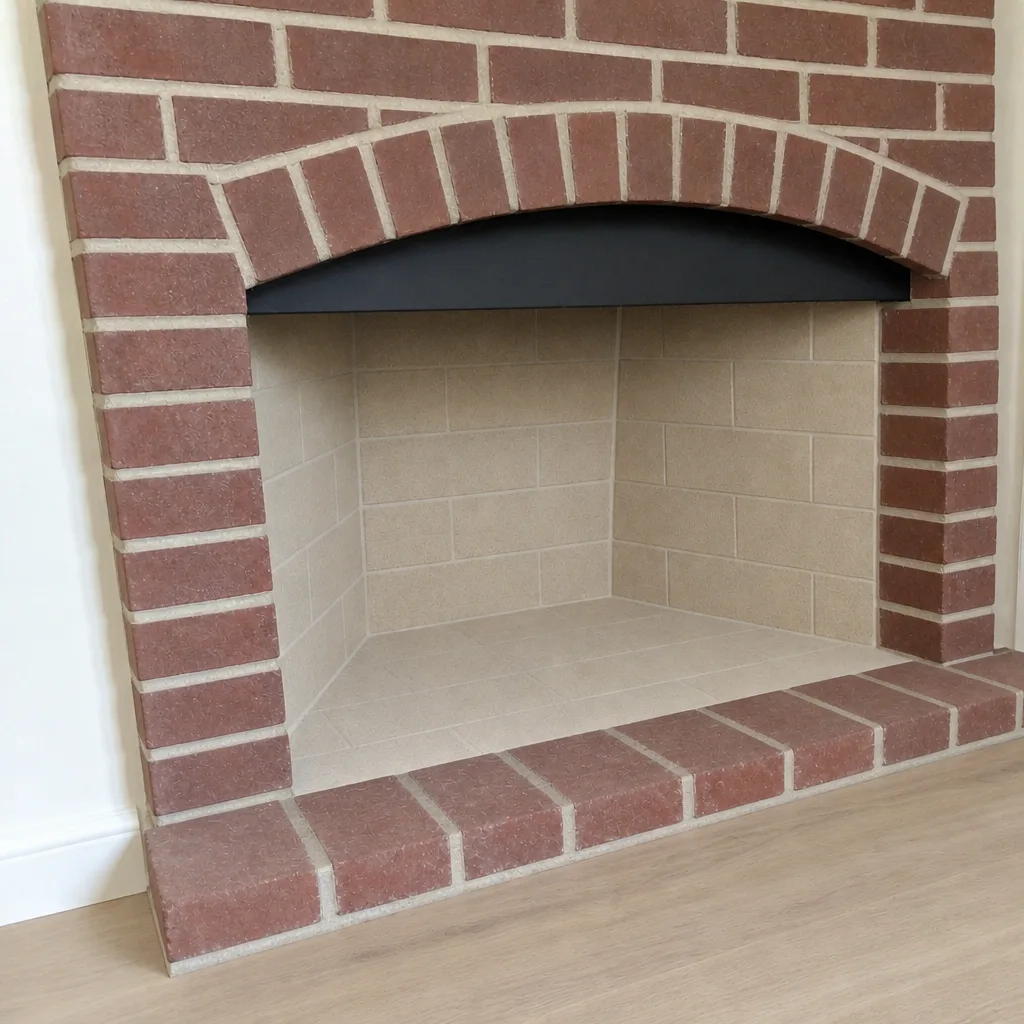
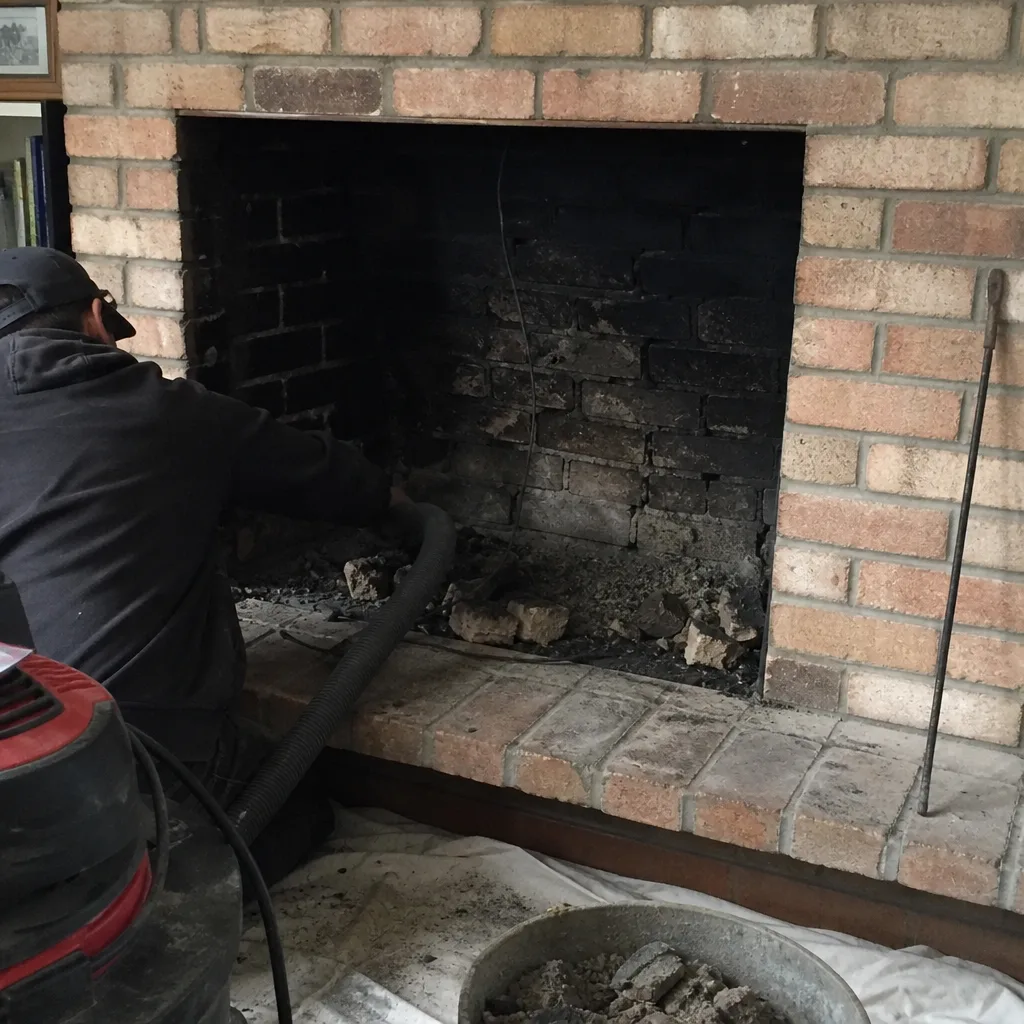
See the difference
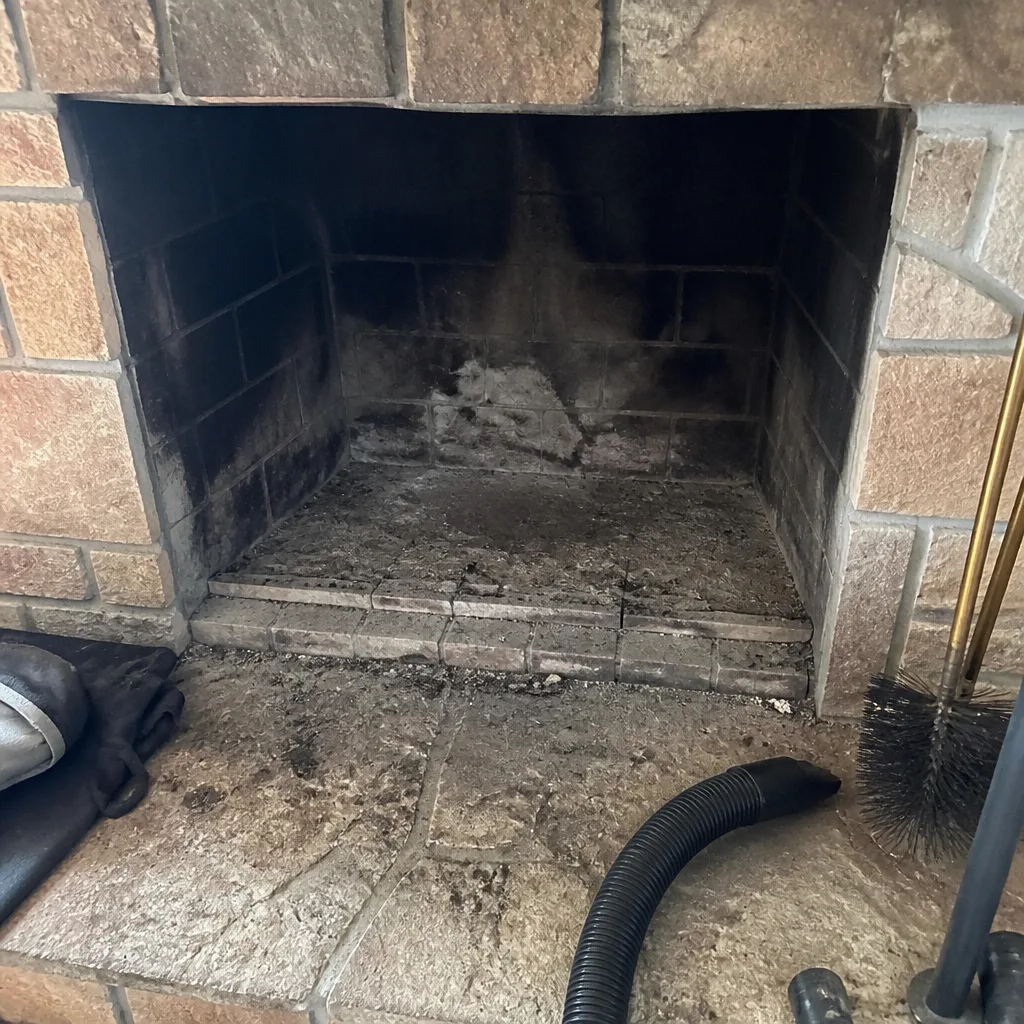 Before
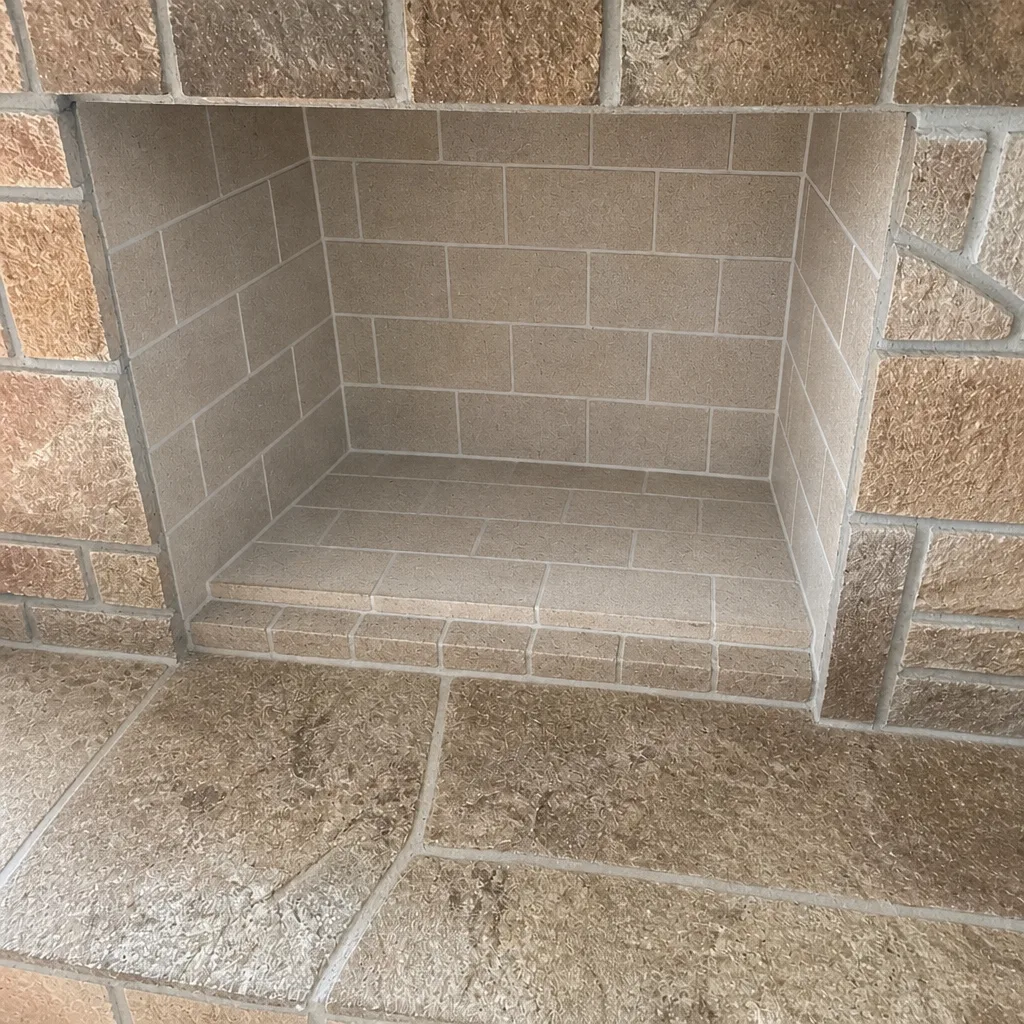 After
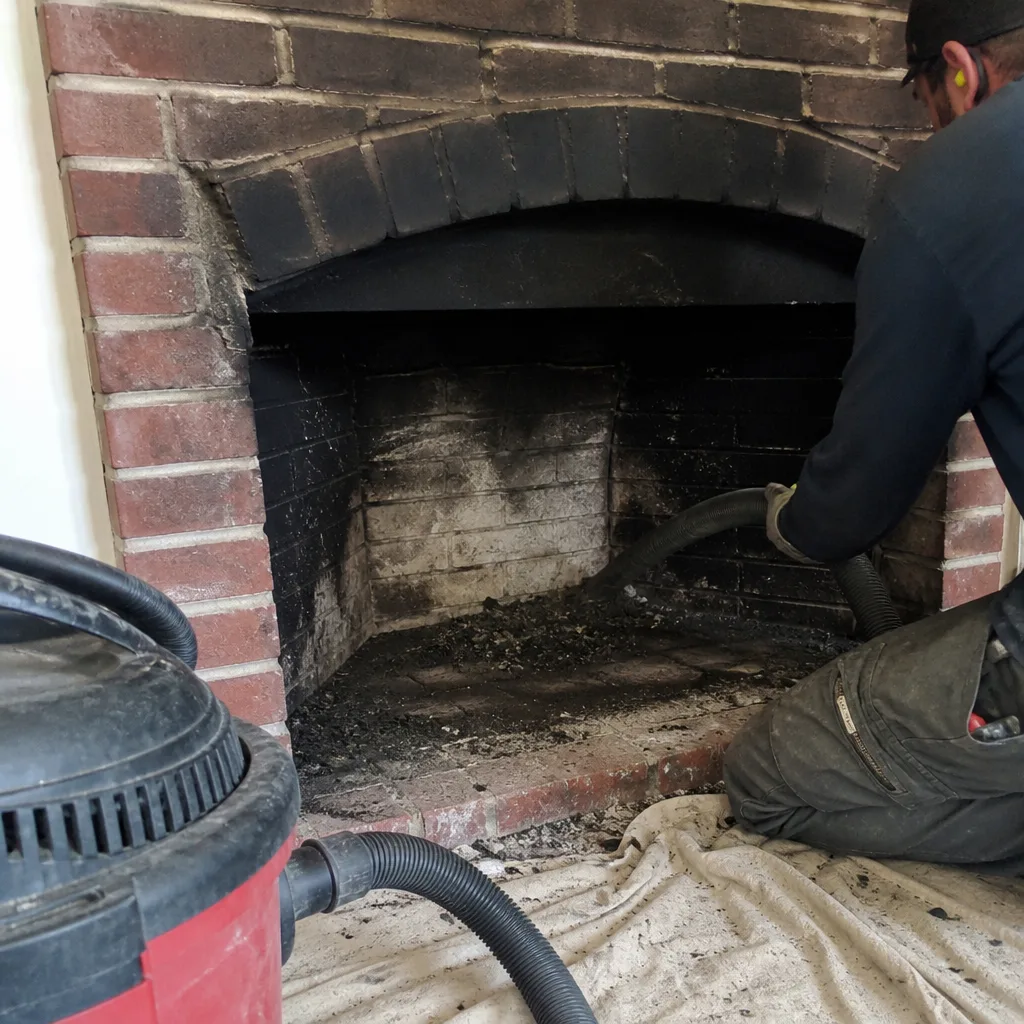 Before
 After
 Before
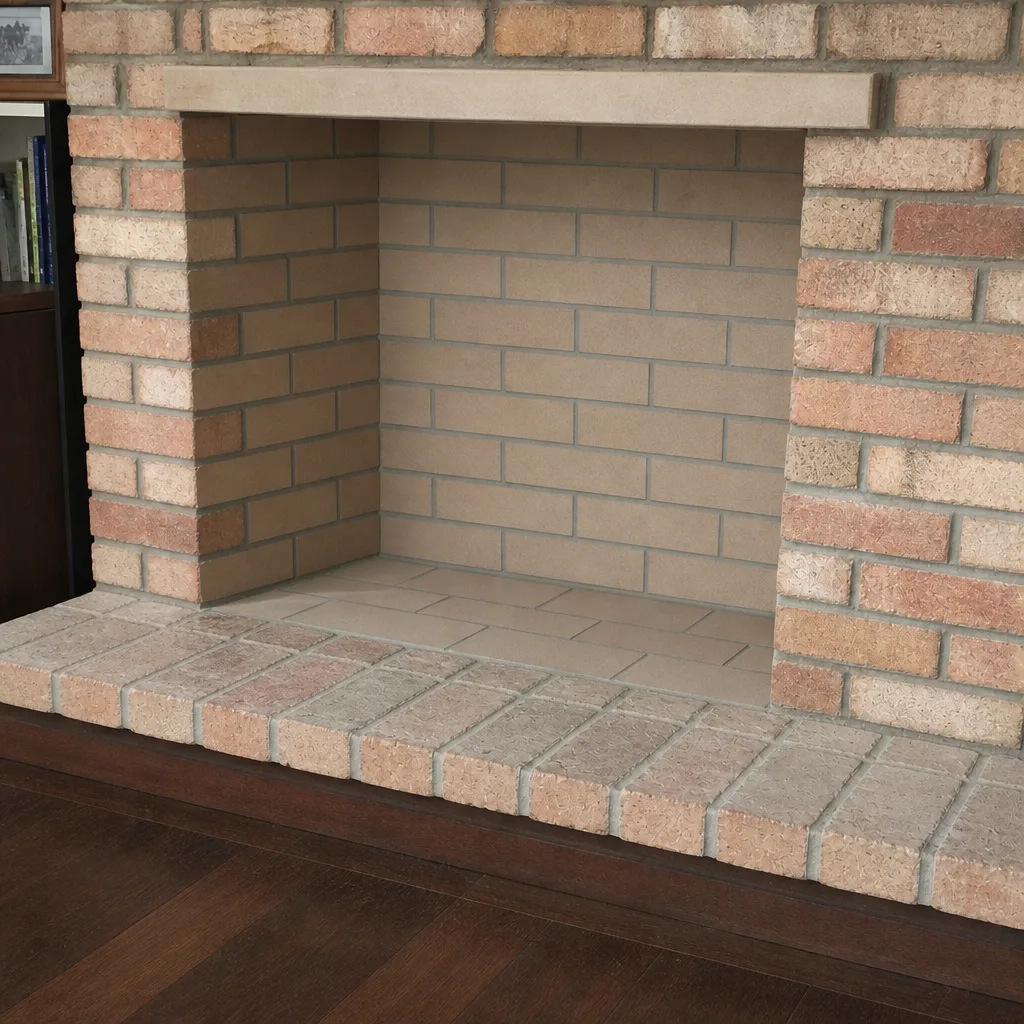 After
What Happens at a Full-System Visit
When you call a specialist instead of a generalist, the visit runs in a fixed order and returns more than a clean flue. Here’s what to expect, so you can compare it against any other quote you get.
- Exterior check first. Cap, crown, and flashing evaluated from the roof, with photos. This step catches the water-entry problems that cause most interior damage.
- Sweep. The flue is brushed with the proper tooling for its size and liner type.
- Camera inspection. A camera runs the length of the liner and the smoke chamber. This is the only way to verify the interior condition.
- Interior check. Damper operation and firebox condition confirmed by hand.
- Written report. Every component marked pass, flag, or pending, with photos attached – ready for your log.
That report is the deliverable that survives, long after the soot is gone. Whether you file it for insurance, keep it for a future sale, or just want to know your system is sound, it’s the piece that makes the whole checklist worth keeping.
One call covers the sweep, the inspection, and any repair your chimney actually needs. We stock HeatShield for liner resurfacing and DuraFlex for liner installation, so a flagged liner doesn’t turn into a second appointment with a different contractor.
When to Call a Professional
Some items on this checklist belong to you, and some belong to a trained technician. Call us when the cap is missing or damaged, the crown shows cracks wider than a hairline, the flashing has separated, or you can’t remember the last time the smoke chamber and liner were camera-inspected. Call if your firebox shows cracked brick, if the damper sticks, or if you see ceiling staining or white powdery deposits on exterior masonry. And call after any significant hail or heavy snowpack event, even if nothing looks wrong from the ground. Centennial Chimney Sweep offers free estimates in Centennial – our technicians have up to 8 years of experience, and every visit returns a written, photographed report you can keep. Call (855) 629-6492. We answer 24/7. Fast dispatch from 7am to 7pm, Sunday through Friday.
Frequently Asked Questions
Once a year, at minimum, plus an extra check after any significant hail, heavy snowpack, or wind event. In this climate, the annual visit is the baseline and the storm checks are the variable. A full-system inspection each year, not just a sweep, is what keeps the record usable.
A receipt alone is usually not enough for an insurance claim or a home sale disclosure. Insurers and buyers want to see what was checked and what was found, not just that someone swept. A dated, photographed, component-level log answers those questions; a one-line invoice doesn’t. Call (855) 629-6492 for a visit that produces exactly that record.
You can safely check the cap, crown, flashing, damper, and firebox from the ground. The liner, smoke chamber, and any close roof-level inspection need a camera or a ladder you should skip. Split it that way, and have us cover the interior half once a year.
Walk the ground-level checklist again within a couple of weeks, and watch for new ceiling staining or exterior damage. If the cap looks dented, the crown looks cracked, or anything shifted, call for an inspection rather than waiting for the next scheduled sweep. Storm damage caught early is small; caught late, it’s usually water damage inside the system.
A hairline crown crack or a slightly stiff damper can usually wait for your next scheduled visit. A missing cap, a separated flashing joint, a cracked firebox, or a failed liner needs attention before you burn again. We tell you which category each flag falls into, and we don’t recommend work without camera evidence you can review.
Yes. A full-system inspection covers the firebox and damper along with the flue, cap, crown, and flashing. If anything in the firebox needs work, our fireplace repair service picks it up on the same visit, so you’re not juggling two contractors for one chimney. For the broader picture of how a sweep fits with the rest, see our main page at Centennial Chimney Sweep.
The Bottom Line
The proof of a maintained chimney is a record, not a receipt. Walk the seven-component checklist, split the work sensibly between what you can check from the ground and what needs a camera, and log every result with a date and a photo. Do the annual inspection, add one after any significant hail or heavy snow, and treat the log as part of your home’s paperwork. That discipline protects you at claim time and at sale time, and it catches small problems before they get expensive. When it’s time for the professional half, Centennial Chimney Sweep covers the full system – sweep, inspection, liner, cap and crown, and firebox – in one visit. Call (855) 629-6492 for a free estimate. We answer 24/7. Fast dispatch from 7am to 7pm, Sunday through Friday.
Written by the team at Centennial Chimney Sweep.