
Last updated November 23, 2026
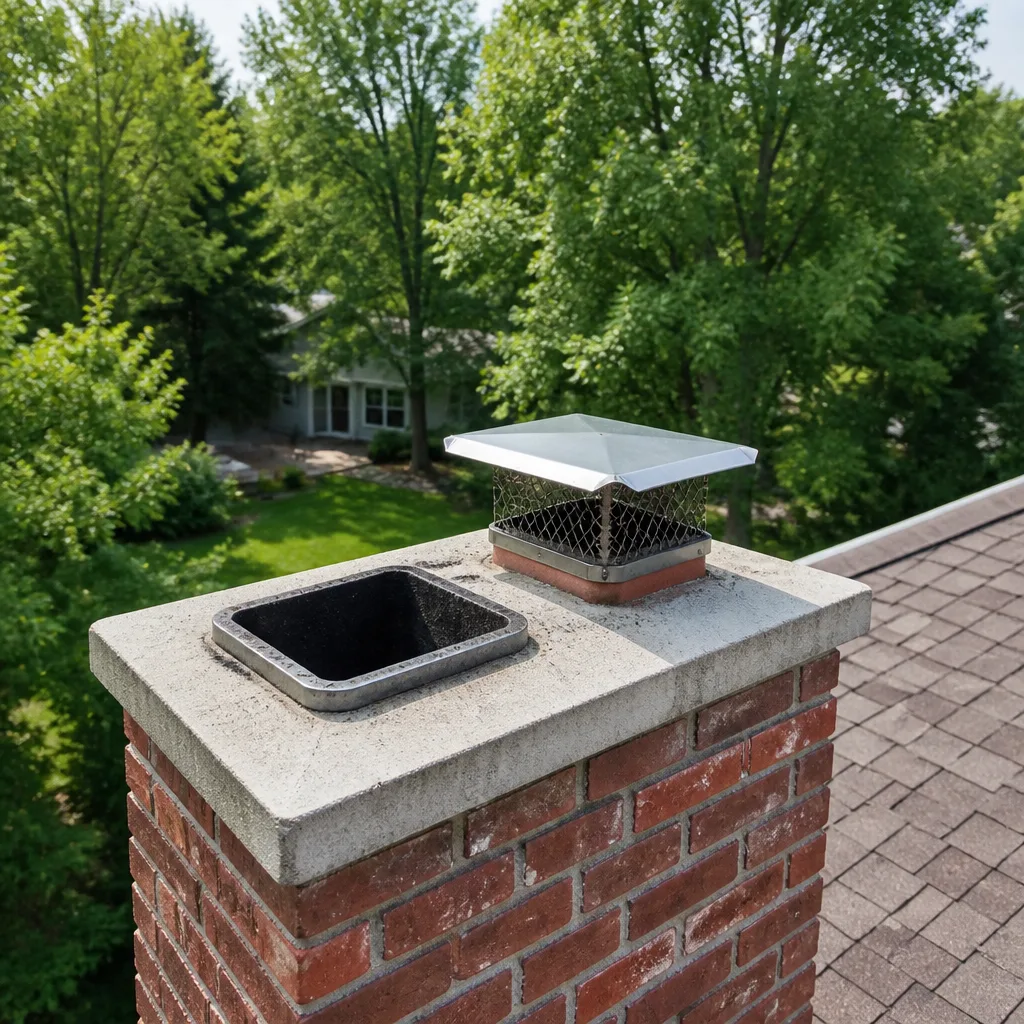 Sweep & inspection
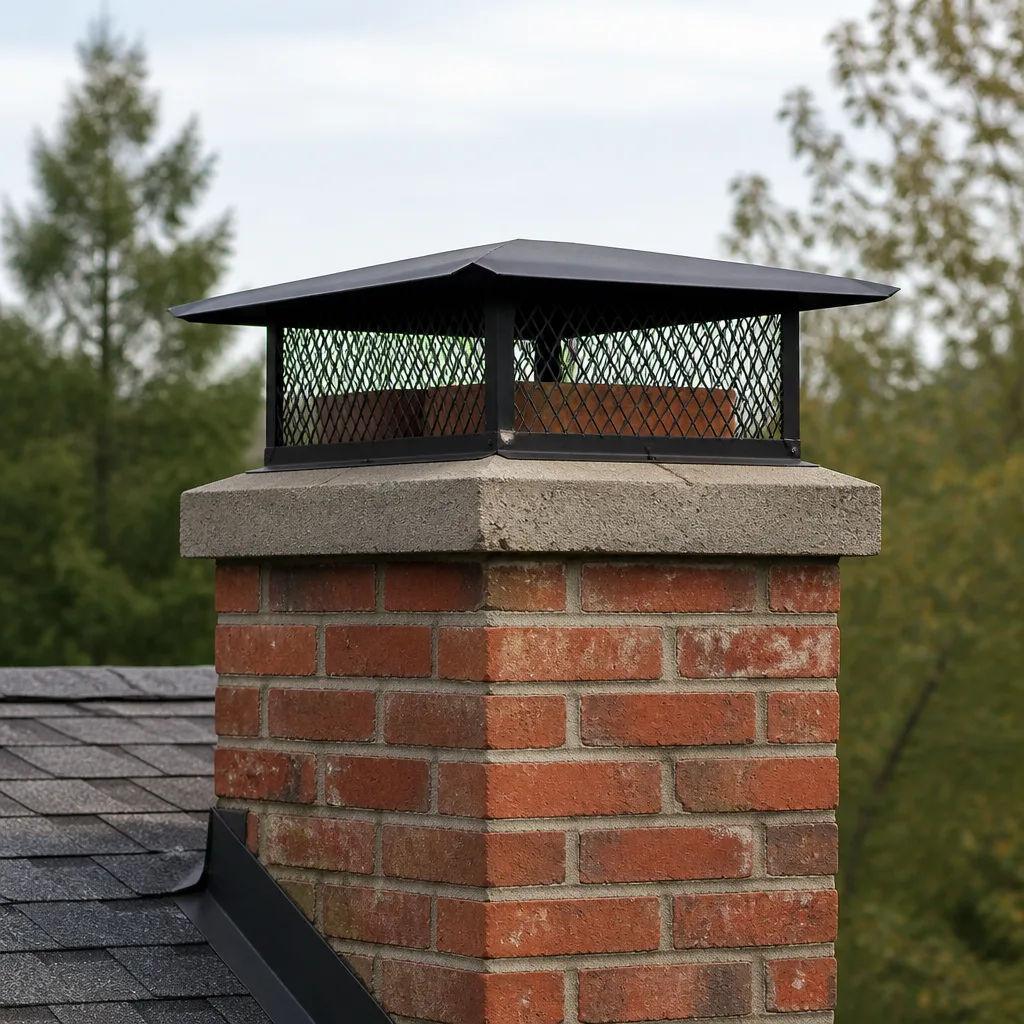 Caps & crowns
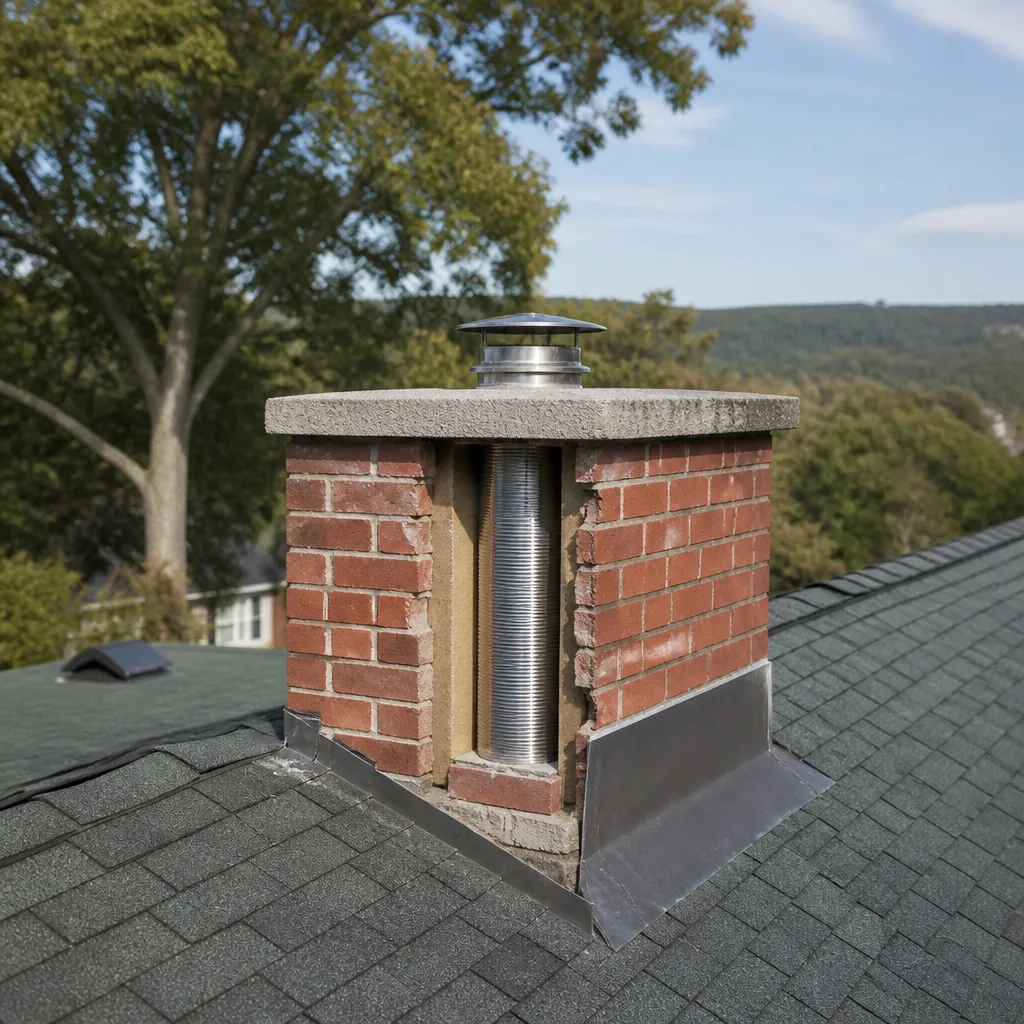 Flue relining
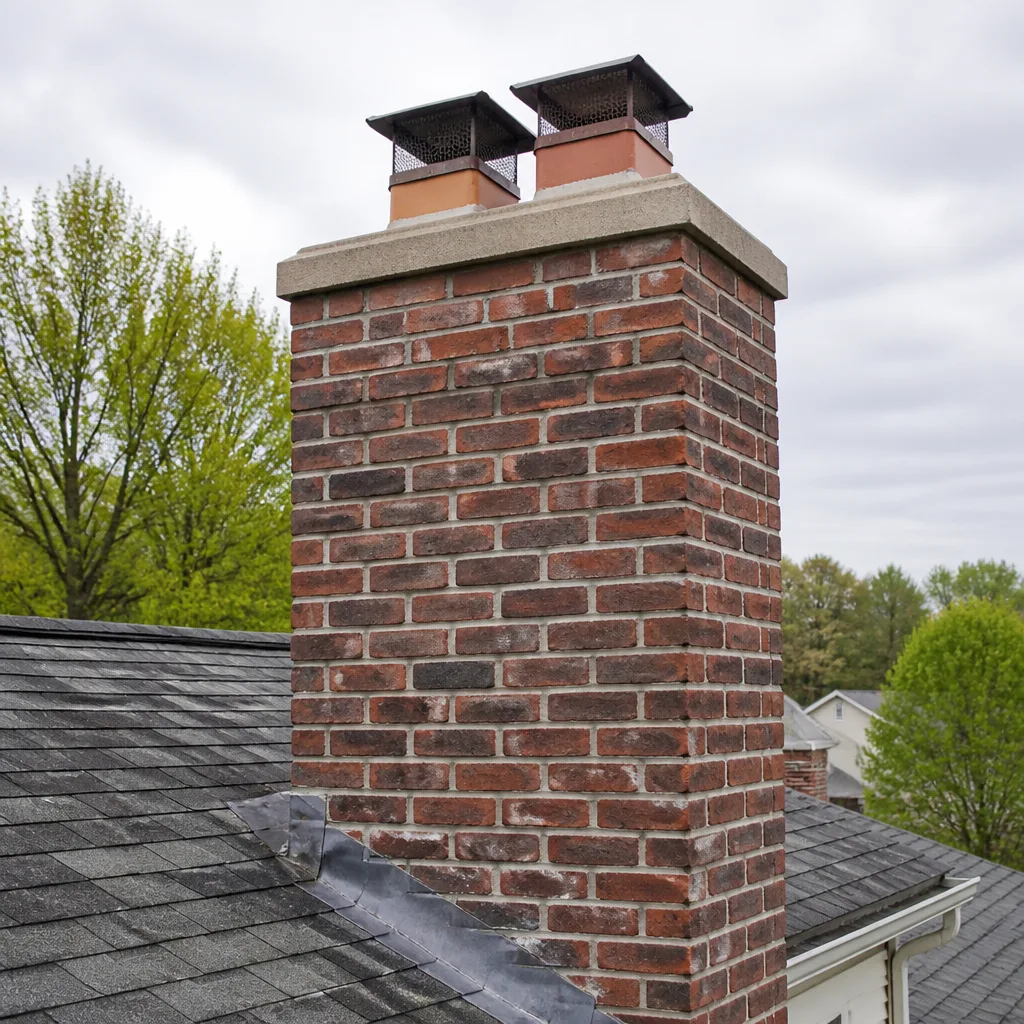 Masonry repair
 Gas fireplace service
Level 1 sweep and inspection to the NFPA 211 annual standard - flue, crown, cap, and flashing checked and photographed
Chimney sweep logs do not sweep chimneys. They loosen some creosote - which then falls where a brush and vacuum still have to collect it.
How to Hire a Chimney Cleaning Contractor in Centennial: A Step-by-Step Guide
Colorado has no state license requirement for chimney sweeps. That means the person who cleaned your gutters last spring can legally call themselves a chimney professional tomorrow, print a business card, and knock on your door. It’s an uncomfortable fact in an industry built on trust, and it’s the single biggest reason hiring the right contractor in Centennial takes more than a Google search and a low price. This guide walks you through exactly what to verify, what to ask, and what should make you walk away, so you can tell a trained chimney specialist from a generalist with a brush before anyone climbs onto your roof.
Quick Answer
To hire a chimney cleaning contractor in Centennial, verify CSIA certification on the Chimney Safety Institute of America’s public database, ask for proof of insurance, confirm the contractor inspects the full system (liner, crown, cap, firebox, and flue), and insist on a written estimate before work begins. Colorado doesn’t license chimney sweeps, so these checks replace a state credential. A legitimate contractor welcomes every one of these questions, and the wrong ones get uncomfortable fast.
Styles & brands we work with
- Sweep & inspection
- Caps & crowns
- Flue relining
- Masonry repair
- Gas fireplace service
Table of Contents
- Why Colorado Doesn’t License Chimney Sweeps
- What CSIA Certification Actually Means and How to Verify It
- Five Questions to Ask on the Phone
- What a Legitimate Estimate Includes
- Why Full-System Contractors Carry Materials
- Red Flags Specific to the Centennial Market
- What Centennial’s Climate Does to Your Chimney
- Your Hiring Checklist, Start to Finish
Why Colorado Doesn’t License Chimney Sweeps
Colorado is one of many states with no licensing requirement for chimney sweeps. There’s no state exam, no continuing education mandate, and no governing board that can pull a sweep’s credential for shoddy work. Unlike electricians or plumbers, who must hold a state license, a chimney sweep operates on reputation, certification, and whatever the market will tolerate. That’s not a loophole in a law; it’s simply how the trade is regulated here, and it puts the entire burden of vetting on you.
What does that mean in practice? It means the word “professional” on a website or a truck decal means nothing on its own. It means a cheap quote from a stranger is not a bargain, it’s an unknown. And it means the questions you’d never think to ask a licensed electrician become essential when you’re hiring a sweep in Centennial.
The good news is that a real specialist is easy to identify once you know what to look for. The chimney industry has its own voluntary credential, the CSIA certification, and serious contractors carry it, display it, and expect you to verify it. There’s also the tell of what a contractor actually does: a chimney specialist inspects the full system, liner, crown, cap, firebox, and flue, before recommending anything. A generalist cleans the flue and leaves. Knowing that difference is the whole game.
Centennial homeowners have an extra reason to care. The metro area has a large stock of homes built across several decades, and chimneys age differently depending on construction era and how hard they’ve been used. A sweep who only brushes the flue won’t spot a cracked crown or a failing liner joint, and those are the problems that matter most. If you’re booking a chimney sweep, ask up front whether a full-system inspection is part of the visit.
What CSIA Certification Actually Means and How to Verify It
CSIA certification is the chimney industry’s recognized credential. It’s issued by the Chimney Safety Institute of America, and it means the sweep has passed a written exam covering chimney science, codes, and safety, and has committed to a code of ethics. It is not a state license, and it’s not mandatory, but it’s the closest thing the trade has to a professional standard, and it separates trained sweeps from people who bought a brush and a ladder.
Here’s the part most hiring guides skip: verification is public. The CSIA maintains a searchable database of certified sweeps, and you can look up a contractor’s name before anyone shows up at your door. It takes about two minutes. The steps are simple:
- Ask for the sweep’s full name and company name on the phone.
- Search the CSIA’s public directory online for that name.
- Confirm the certification is current, not expired or lapsed.
- If the name doesn’t appear, ask why. Plenty of competent sweeps aren’t certified, but they should be honest about it and able to describe their training another way.
One caveat worth knowing: certification belongs to a person, not a company. A company with several technicians may have only one or two certified sweeps on staff. That’s normal. What you’re checking is whether the business takes training seriously enough to invest in it, and whether the person actually doing the work is competent. A company that can’t name a single certified technician is a company that hasn’t invested in the trade.
At Centennial Chimney Sweep, our technicians have up to 8 years of experience and work exclusively with professional-grade materials from industry brands like DuraFlex, HeatShield, and Olympia Chimney. When we inspect the full system, we show you what we find rather than just telling you about it. That’s the standard to expect from anyone you hire in Centennial, whether it’s us or another contractor.
Five Questions to Ask on the Phone
The phone call is where specialists and generalists separate. Ask these five questions before you book, and listen carefully to how each one is answered. A confident, specific answer is a good sign. A vague one, or a pitch that turns into a sales call, tells you plenty.
- “Are you CSIA certified, and can I verify it?” A real sweep will say yes and give you the name to look up. A hesitant answer or a deflection is a red flag.
- “Does your inspection cover the full system, or just the flue?” The right answer mentions the liner, crown, cap, firebox, and flue. The wrong answer is “we just clean.”
- “What does your written estimate include?” You want a scope of work, findings from the inspection, and a flat price agreed before any work starts. “We’ll figure it out when we get there” is not an estimate.
- “Are you insured, and can you send proof?” Ask for a certificate of insurance. A contractor who carries coverage can produce it without drama.
- “What materials do you carry for repairs?” A full-system contractor works with professional brands, liners, crown coat, and caps from companies like Gelco or Olympia Chimney. A sweep who has to order everything tells you they don’t do repairs.
You’ll notice none of these questions are about price. That’s intentional. Price matters, but a cheap quote from an unqualified contractor is the most expensive thing on this list. Get the qualifications settled first, then talk price.
When we take a call at Centennial Chimney Sweep, these are the questions we expect. A homeowner who asks them is a homeowner who understands what they’re buying. Call (855) 629-6492 if you want to run through them with us. We answer 24/7, with fast dispatch from 7am to 7pm, Sunday through Friday.
What a Legitimate Estimate Includes
A legitimate chimney estimate is a written document, not a number shouted from the roof. It should include the findings from the inspection, the scope of any recommended work, the materials to be used, and a flat price agreed before anyone starts. If any of those are missing, you don’t have an estimate, you have an opening bid.
Here’s what a real estimate covers, broken down by job type. These are typical ranges for the Centennial market, and the written estimate you receive sets the final price:
- Standard chimney sweep: $150 to $300, depending on flue length and how much creosote has built up.
- Full-system inspection: often bundled with the sweep; a standalone inspection runs roughly $100 to $250.
- Chimney cap installation: $150 to $450, depending on cap style and flue configuration.
- Crown repair or rebuild: $300 to $1,200 or more, depending on the extent of the damage.
- Liner resurfacing with HeatShield: priced per job after inspection, since the flue’s condition determines the scope.
- Full liner replacement: priced per job; a full-length stainless liner is a substantial project.
Those numbers are estimates, not quotes. Every chimney is different, and a sweep who quotes a flat price over the phone without seeing the flue is guessing. What a good contractor does is inspect first, then write an estimate based on what’s actually there. If the flue is in good shape, the estimate says so and you spend less. If it isn’t, you see the evidence before you decide.
One more point on estimates: ask what happens if the inspection turns up something unexpected. A legitimate contractor will stop, show you the finding, and revise the estimate before proceeding. A contractor who “finds” a problem mid-job and inflates the bill without evidence is running the oldest play in the trade. Nothing should be recommended without proof you can see for yourself, whether that’s a camera photo of the flue interior or a crack you can look at directly.
Why Full-System Contractors Carry Materials
When a contractor schedules a return trip to install your cap, that’s not just an inconvenience. It means they didn’t have the right materials on hand, which means they’re not a full-system contractor, which means the cap is probably being sourced from a hardware store rather than a chimney-industry supplier. A professional-grade cap is manufactured for a specific flue configuration. A general-purpose cap from a big-box store is a compromise.
A full-system contractor handles the sweep, the inspection, and any repair the chimney actually needs. The materials that show up are the same ones chimney professionals across the country rely on:
- DuraFlex for liner systems, installed correctly from the start and matched to the flue’s dimensions.
- HeatShield for liner resurfacing, a process that repairs a damaged liner without full replacement. It’s a specialized material that requires dedicated training to apply, and most sweeps don’t stock it or know how to use it.
- Olympia Chimney for caps and crown components, manufactured to fit rather than improvised.
- Gelco for crown coating and repair materials built for Colorado’s freeze-thaw cycles.
We carry these brands at Centennial Chimney Sweep because a clean chimney is a starting point. A safe chimney means the liner, crown, and cap are all sound, and you can’t make a sound judgment about any of them from a hardware-store aisle. When we quote a chimney cap & crown job, the materials are the ones that will still be there in ten years.
Red Flags Specific to the Centennial Market
Centennial has some hiring risks that aren’t obvious from a website. The metro area draws crews from all over the Front Range, and not all of them are what they claim. Here’s what to watch for:
- Out-of-area crews that spike after storms. Hail and wind damage in the south metro brings a wave of contractors from out of state, many of them offering “free inspections” that turn into pressure sales. Ask where the crew is based and whether they’ll be around to honor a warranty.
- No physical address. A legitimate business has an address, even if it’s a home office. A contractor who won’t give one is a contractor you can’t find if something goes wrong.
- Cash-only pricing. Cash-only is a hallmark of fly-by-night operators who don’t want a paper trail or a chargeback. A real contractor takes standard payment and provides a receipt.
- Door-to-door “free inspection” pitches. A legitimate inspection has value, and a contractor who gives it away for free is usually selling something else. Expect to pay for a real inspection, and expect it to be worth it.
- A quote that changes mid-job without evidence. We’ve seen it more than once: a sweep “finds” $4,000 of liner damage once the truck is parked. Nothing should be recommended without camera evidence you can look at yourself.
- No written estimate. A verbal price is a number, not a contract. Insist on written scope and price before work starts.
None of this is meant to make you suspicious of everyone. Most sweeps in Centennial are honest tradespeople doing careful work. But because there’s no state license to check, the red flags are the only filter you have, so it’s worth knowing them.
What Centennial’s Climate Does to Your Chimney
Centennial sits at roughly 5,800 feet, and the climate does specific things to a chimney that a coastal or low-elevation guide won’t tell you about. The first is freeze-thaw. Winter nights below freezing, followed by warm afternoons, cycle moisture in the masonry and crown. Water gets into a hairline crack, freezes, expands, and widens it. Repeat that a few seasons and a small crack becomes a crown failure, which lets water into the flue, which damages the liner. It’s a chain reaction, and it starts with a crack you can’t see from the ground.
The second is the heating season itself. Front Range winters are cold enough that a wood-burning fireplace gets used hard, and hard use means creosote. Creosote builds up in stages, from a light flaky layer to a glazed, tar-like coating that’s genuinely flammable. A flue with heavy creosote is a chimney fire waiting for the right conditions, which is why an annual sweep matters here more than in a mild climate. If you’re not sure when your chimney was last swept, that’s your answer: it’s time.
There’s a third factor specific to Centennial’s housing stock. The area has a wide range of construction eras, and the chimneys built in different decades have different weak points. Older masonry chimneys are prone to interior spalling and cracked crowns. Newer homes with prefabricated systems need their liners inspected for joint integrity. Neither issue shows up from a visual check at the firebox, and that’s why a camera inspection and photo report belong in every job, not just the questionable ones.
We see all three of these at Centennial Chimney Sweep on a regular basis. The pattern is consistent: a homeowner who heats with wood, skips a couple of annual sweeps, and ends up facing a fireplace repair or crown job that a sweep would have caught early. The fix is straightforward and the cost is smaller when it’s caught sooner rather than later.
Your Hiring Checklist, Start to Finish
Here’s the whole process in order. Work through it once and you’ll have a contractor you can trust for years.
- Ask about certification and verify it. Get the name, check the CSIA database, confirm it’s current.
- Ask the five phone questions. Certification, full-system inspection, estimate scope, insurance, materials.
- Request proof of insurance. A certificate of insurance, sent before the appointment. No exceptions.
- Get a written estimate before work starts. Scope, materials, flat price, agreed up front.
- Book the sweep with inspection included. A sweep without an inspection misses the problems that matter.
- Watch for the camera evidence. A legitimate contractor shows you the liner, not just describes it.
- Decide on repairs with the evidence in hand. If the work can wait, a real contractor will tell you so.
The last item is the one homeowners care about most. You don’t want to be told you need thousands of dollars of liner work you can’t verify. You shouldn’t be. A good contractor shows you the image, explains what it means, and tells you honestly when a repair can wait until next season. That’s the standard we hold ourselves to at Centennial Chimney Sweep, and it’s the standard you should expect from anyone you hire in Centennial.
Common Mistakes to Avoid
- Hiring on price alone. The cheapest quote is usually the one that gets revised once the truck is in the driveway. A fair price from a qualified contractor beats a low price from an unknown one.
- Skipping the CSIA verification. It takes two minutes and separates a trained sweep from a generalist. Verifying after the appointment is too late.
- Accepting a verbal estimate. A number over the phone is not a commitment. Get the scope and price in writing before work starts.
- Assuming a sweep and an inspection are the same thing. A sweep cleans the flue. An inspection checks the whole system, liner, crown, cap, firebox, and flue. Book the one that covers everything.
- Ignoring the cap. A missing or damaged cap lets water, birds, and debris into the flue. It’s one of the cheapest repairs and one of the most important, especially in a climate with freeze-thaw cycles.
- Hiring a storm-chaser after hail. Out-of-area crews often disappear before the warranty is tested. Ask for a physical address and a local reputation you can check.
- Putting off the annual sweep. Creosote builds up quietly, and the cost of a sweep is a fraction of the cost of a chimney fire or a liner replacement. In Centennial’s heating climate, the annual visit isn’t optional.
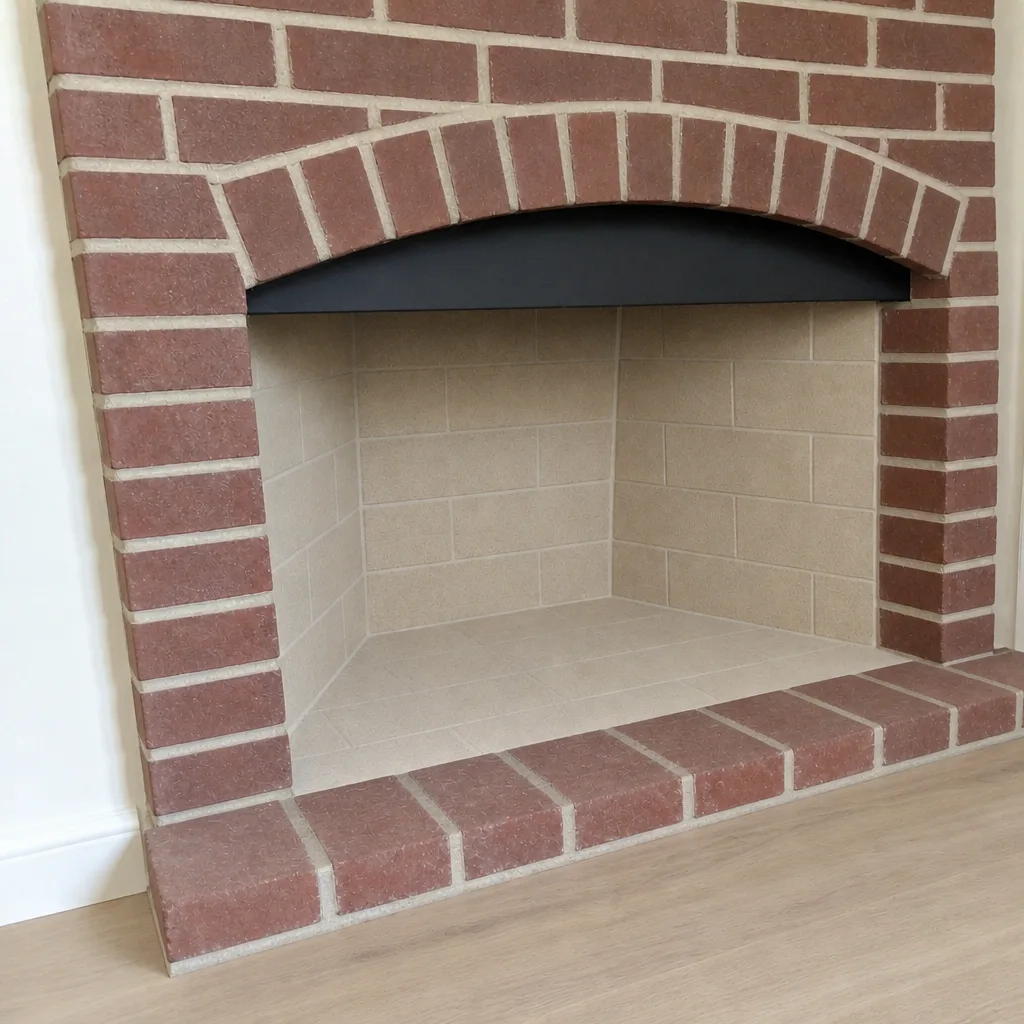
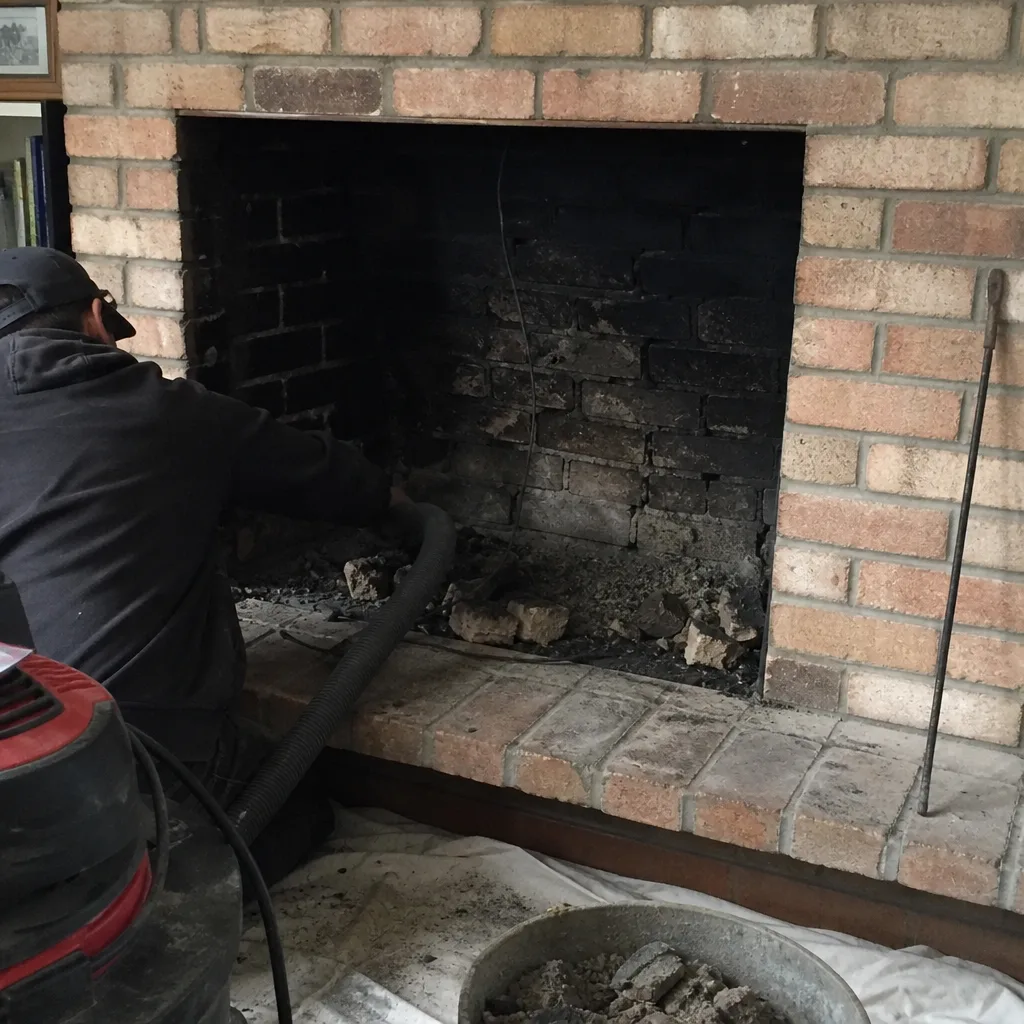
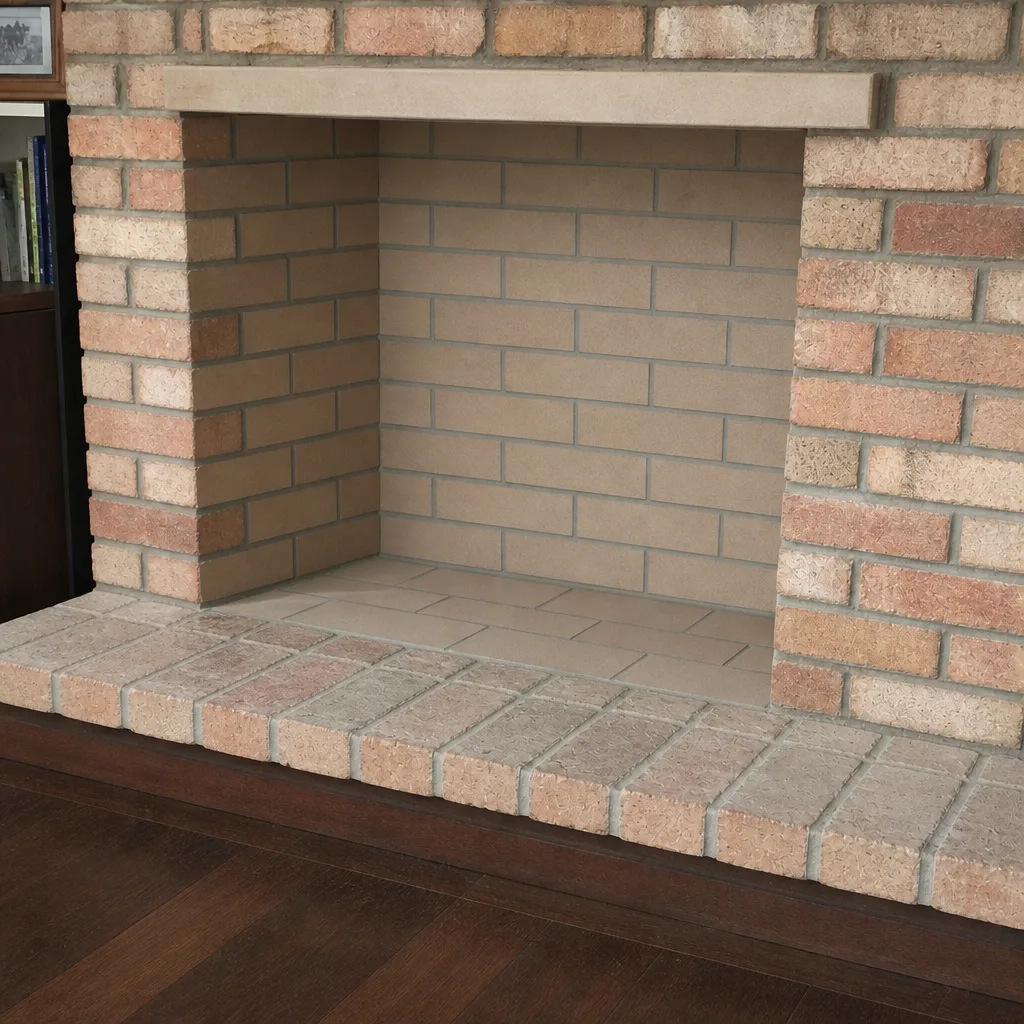
See the difference
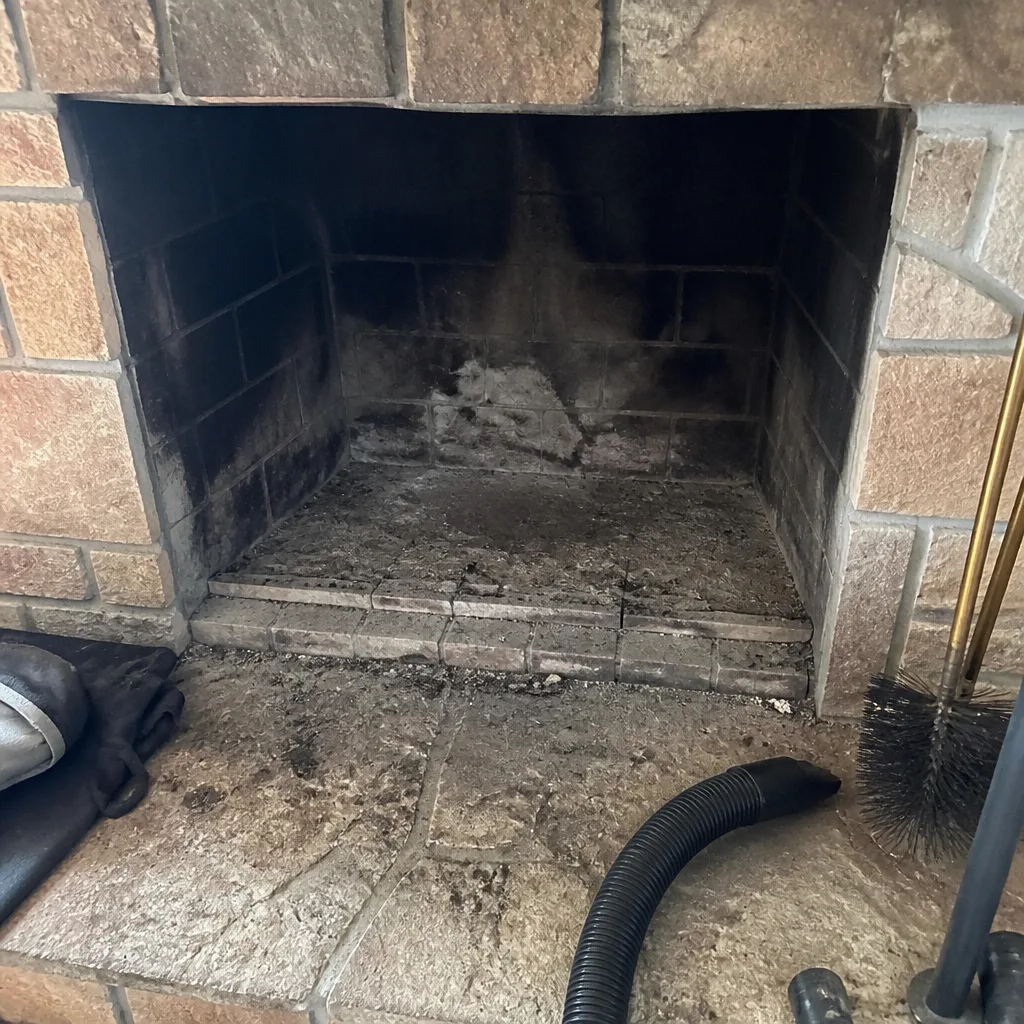 Before
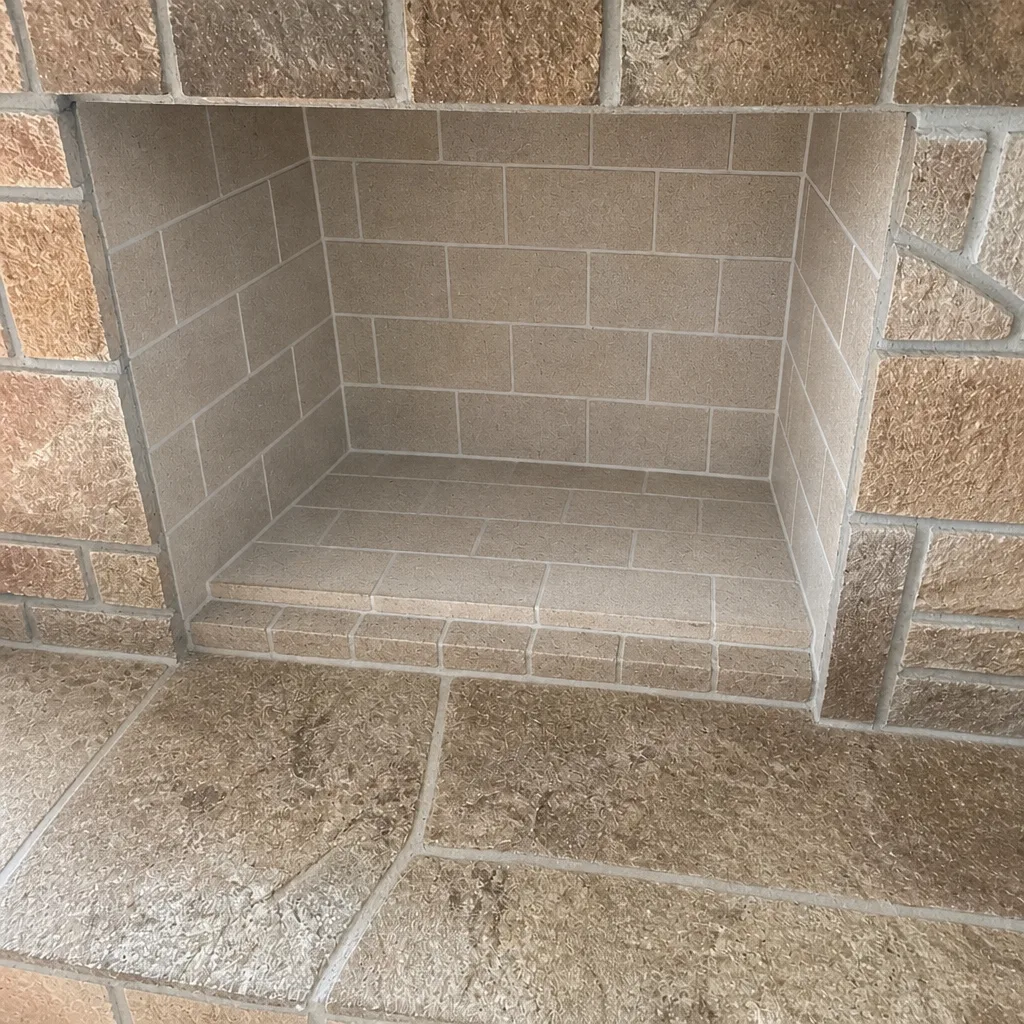 After
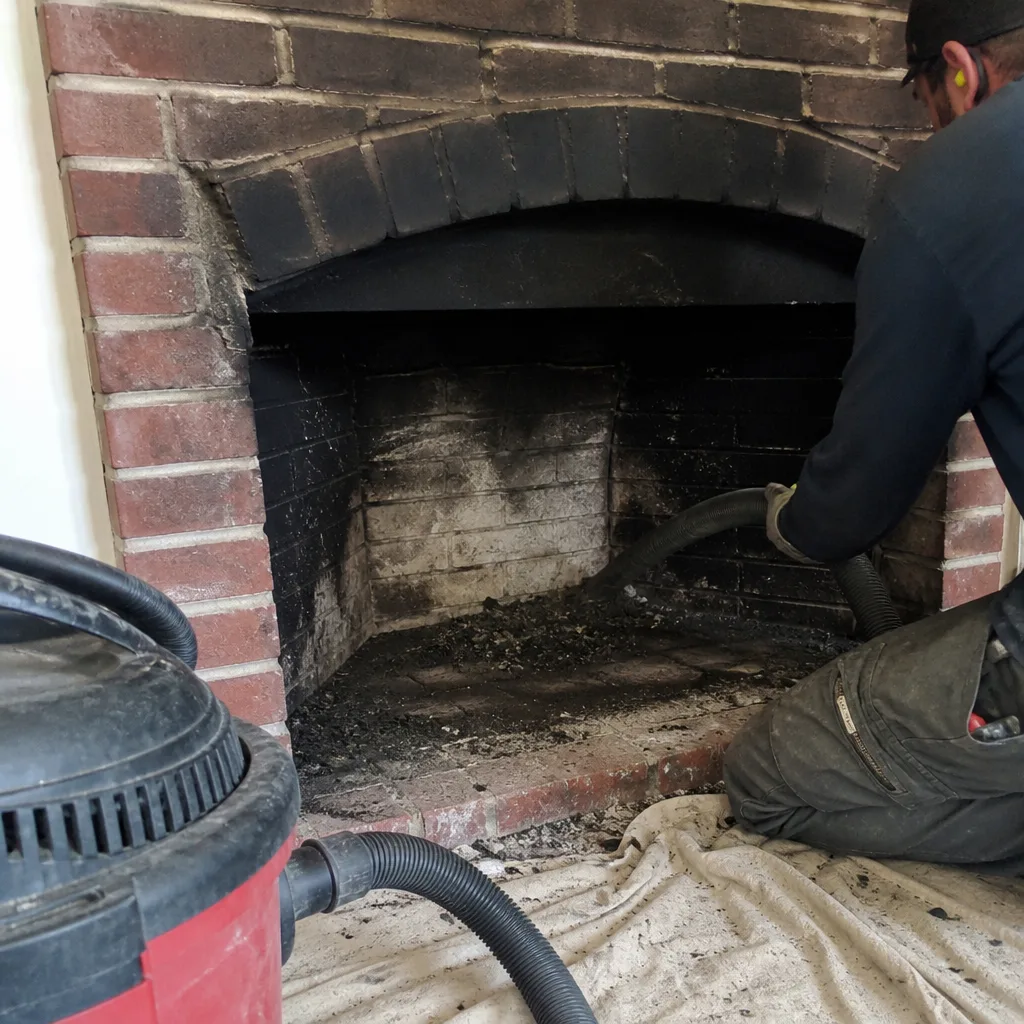 Before
 After
 Before
 After
When to Call a Professional
Some chimney problems announce themselves and some don’t. Call a professional if you’ve burned more than a cord of wood since the last sweep, if you’ve noticed a strong creosote smell in the house, or if you’ve seen staining on the exterior masonry. Call if smoke backs into the room when you light a fire, if the damper doesn’t move freely, or if you haven’t had the chimney inspected since you moved in. Call if you’ve had a chimney fire, even a small one, because the liner needs to be checked before the next burn. And call if you’re not sure: an inspection is the cheapest way to find out whether anything is wrong. Centennial Chimney Sweep offers free estimates in Centennial, call (855) 629-6492. We answer 24/7, with fast dispatch from 7am to 7pm, Sunday through Friday.
Frequently Asked Questions
A standard chimney sweep in Centennial typically runs $150 to $300, depending on flue length and creosote buildup, and the written estimate sets the final price. A full-system inspection is often bundled with the sweep. Call (855) 629-6492 for an exact quote, estimates are free.
No. Colorado has no state licensing requirement for chimney sweeps, and CSIA certification is voluntary. That’s exactly why it matters: a certified sweep has passed a written exam and committed to a code of ethics, and you can verify the certification on the CSIA’s public database before booking.
Annual sweeping is the standard for any chimney in regular use, and Centennial’s heating climate makes it a hard rule rather than a suggestion. Freeze-thaw cycles and heavy winter burning both accelerate creosote buildup and masonry wear. If it’s been more than a year, book the sweep.
Only if the inspection shows the liner is actually damaged, and you should see the camera evidence before agreeing to anything. A cracked or deteriorated liner is a carbon monoxide and fire risk, but a liner that’s intact doesn’t need replacing. HeatShield resurfacing can repair some liners without full replacement. Call (855) 629-6492 and ask for the inspection with photo report.
Creosote accumulates in the flue with every fire, and heavy buildup is the leading cause of chimney fires. A neglected flue can also let moisture damage the liner and masonry, turning a small sweep into a larger repair. Skipping a season rarely causes an immediate problem, but the risk compounds.
Legally, yes, since Colorado doesn’t license the trade, but a handyman isn’t trained to inspect the full system. A sweep who only brushes the flue won’t catch a cracked crown, a failing liner joint, or a damaged cap. Hire a chimney specialist, not a generalist with a brush.
The Bottom Line
Hiring a chimney cleaning contractor in Centennial comes down to verification, because the state doesn’t do it for you. Check CSIA certification on the public database. Ask the five phone questions. Insist on proof of insurance and a written estimate. Look for a contractor who inspects the full system, liner, crown, cap, firebox, and flue, and who carries professional-grade materials like DuraFlex, HeatShield, or Olympia Chimney rather than scheduling a return trip for a hardware-store part. Avoid the storm-chasers, the cash-only operators, and anyone who quotes a big repair without showing you the evidence. Do that and you’ll hire a specialist, not a generalist.
At Centennial Chimney Sweep, we work through the full system on every visit and use the same professional brands chimney contractors rely on nationwide. Our technicians have up to 8 years of experience, and every estimate is free and written. Call (855) 629-6492 to book your sweep and inspection. We answer 24/7, with fast dispatch from 7am to 7pm, Sunday through Friday.
Written by the team at Centennial Chimney Sweep.