
Last updated November 23, 2026
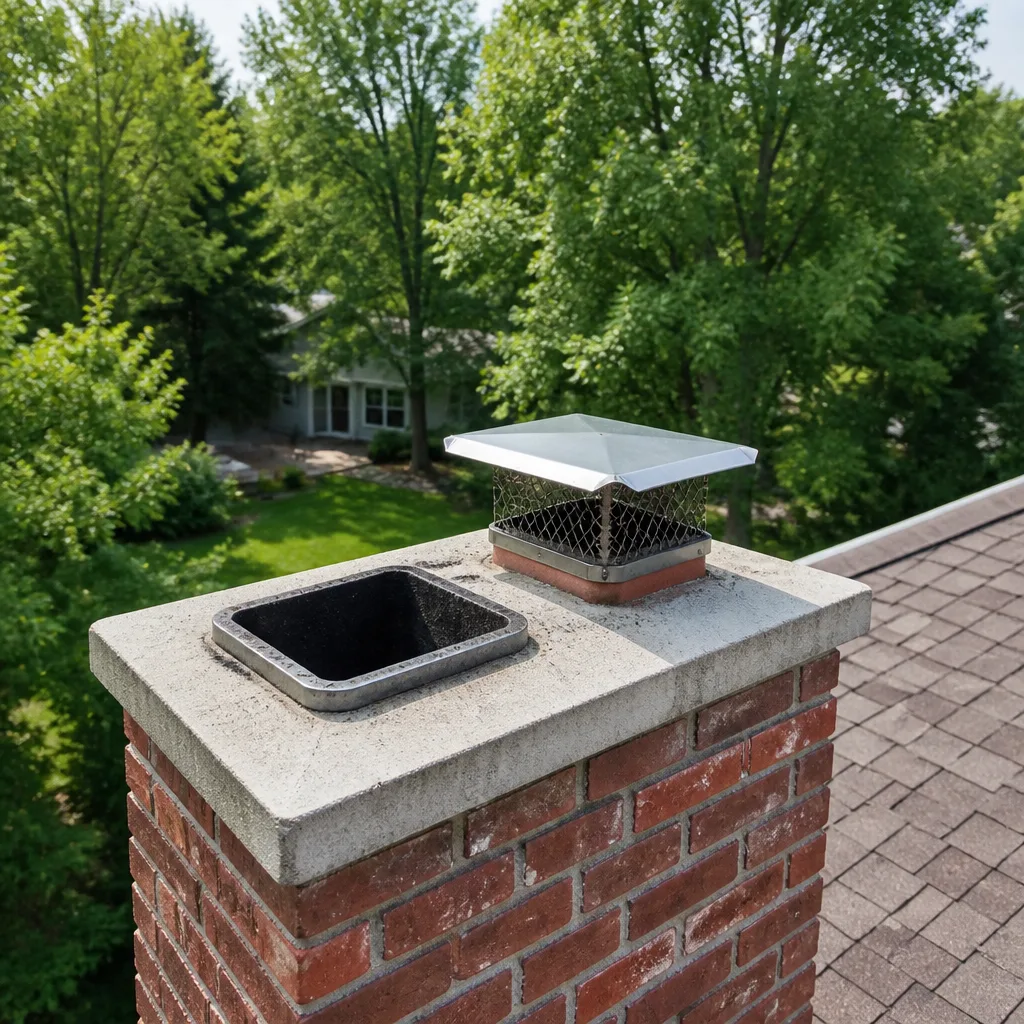 Sweep & inspection
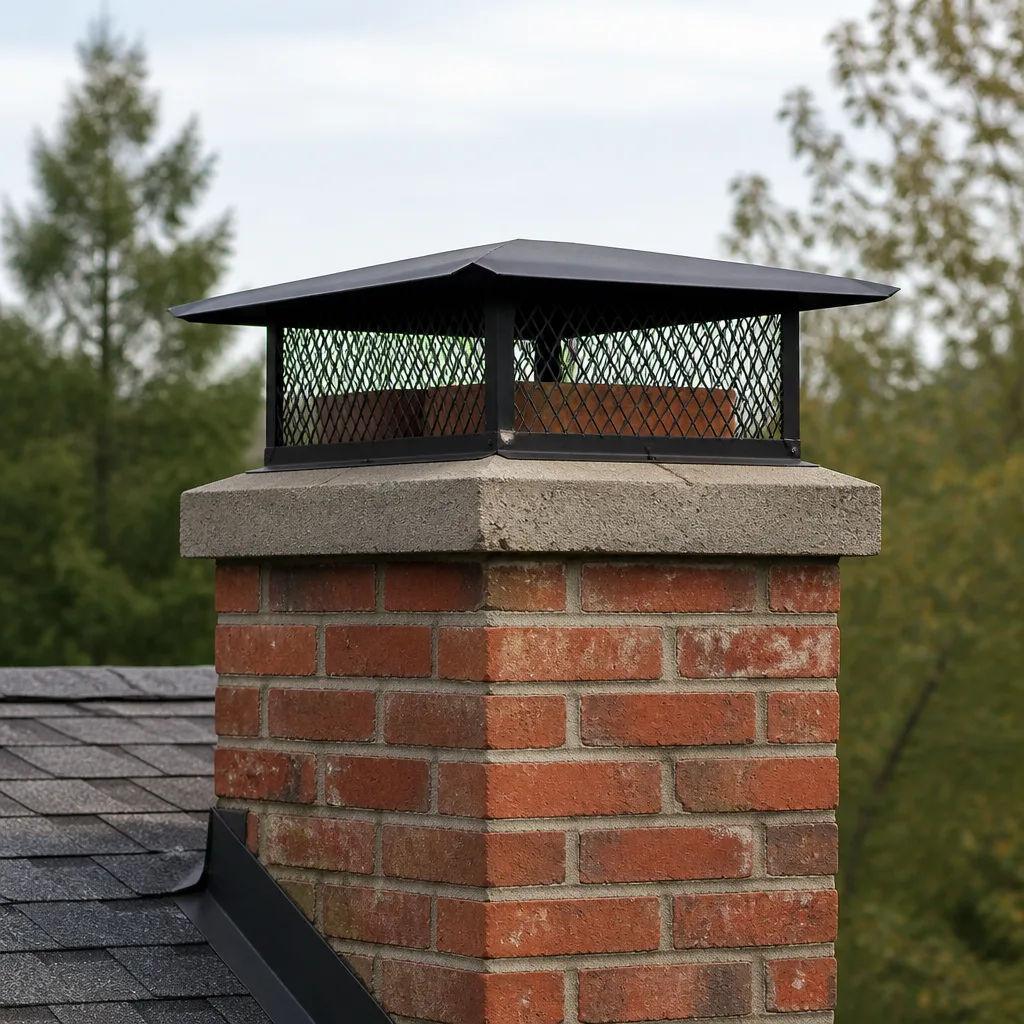 Caps & crowns
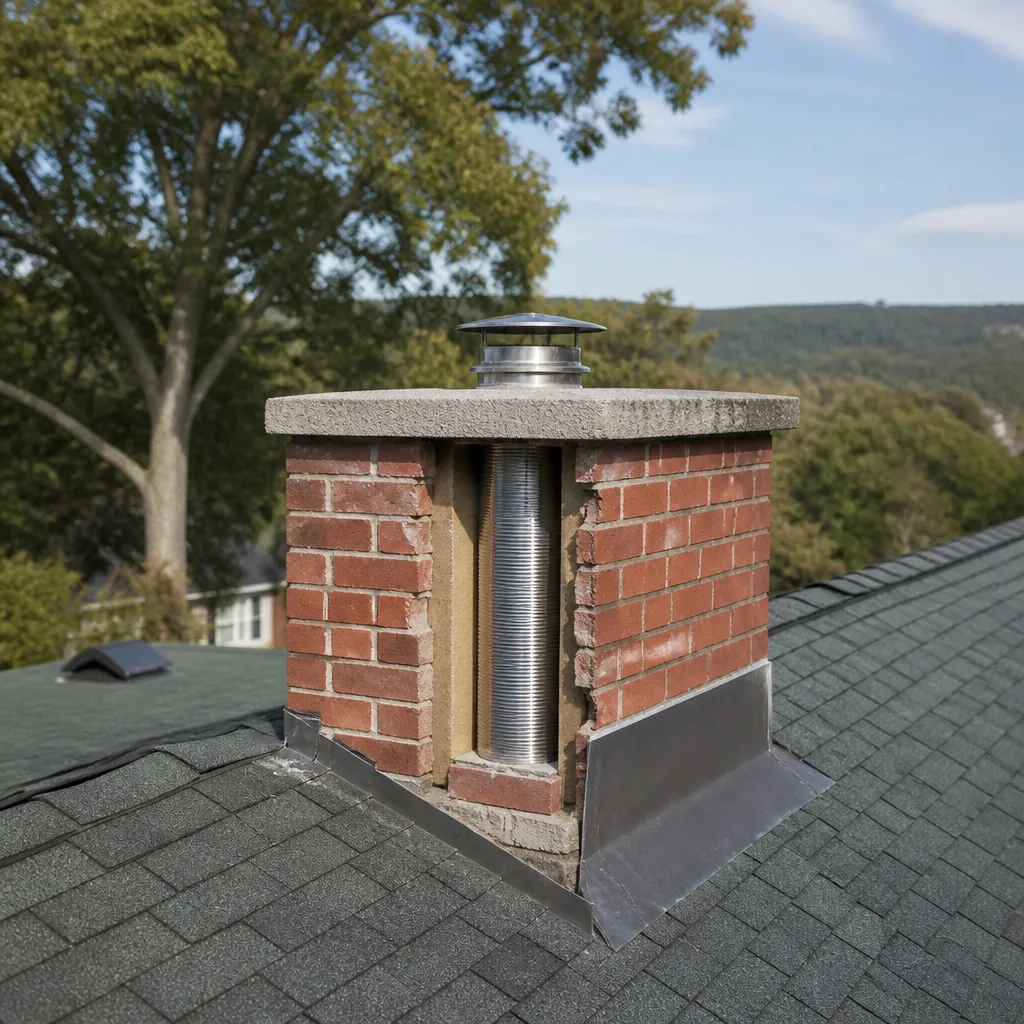 Flue relining
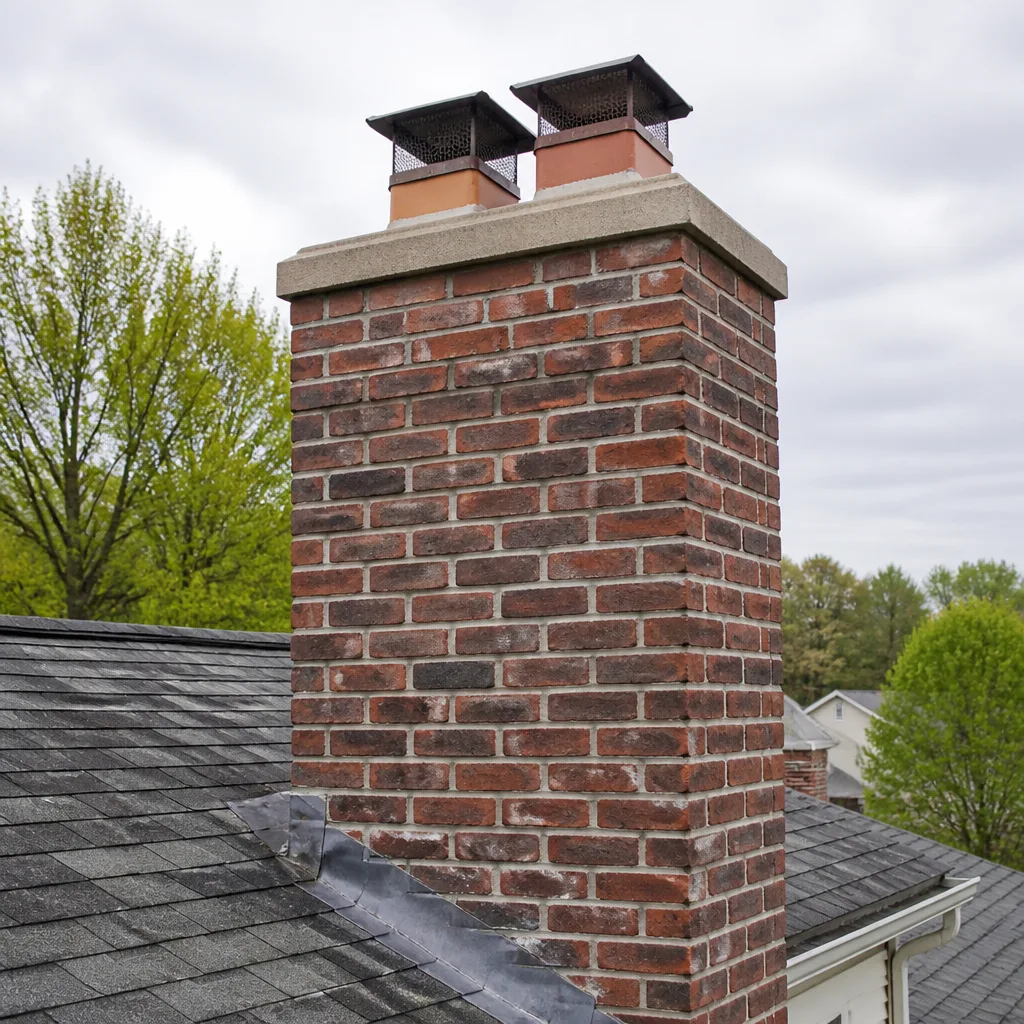 Masonry repair
 Gas fireplace service
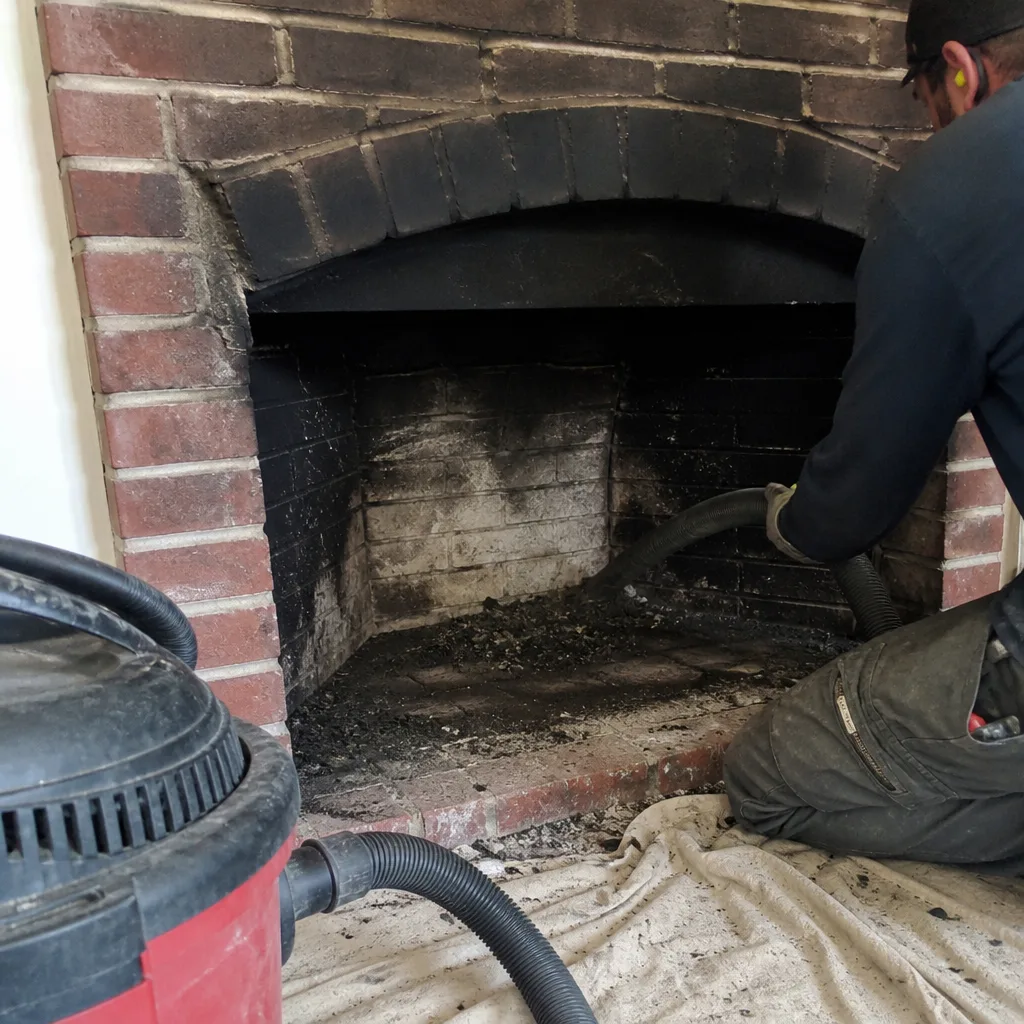
Level 1 sweep and inspection to the NFPA 211 annual standard - flue, crown, cap, and flashing checked and photographed
Chimney sweep logs do not sweep chimneys. They loosen some creosote - which then falls where a brush and vacuum still have to collect it.
Chimney Cleaning Emergency Preparedness Guide for Centennial Homes
A chimney fire can reach 2,000°F inside the flue – hot enough to crack a clay tile liner in seconds and push superheated gases into your wall framing before the fire department arrives. That number is the reason this guide exists. It’s also why most homeowners misunderstand what chimney fire preparedness actually means: they picture flames roaring out the top of the chimney and assume they’ll know it if it happens. In reality, many chimney fires burn slowly and quietly, working on the liner while the house seems fine. What you can control is what you do before fire season and in the first sixty seconds if one starts. That’s what we cover here, from a Centennial perspective: the three conditions worth catching early, what to do when a fire is underway, and how to document your system so your insurer isn’t arguing with you after the fact.
Quick Answer
Chimney fire preparedness for a Centennial home comes down to three things: eliminate the pre-fire conditions (heavy creosote, a cracked liner, a damaged cap) through an annual sweep and inspection, know the first-60-second response if a fire starts (shut the damper, get everyone out, call 911), and get a post-fire Level 2 inspection before the fireplace is used again. Most insurance policies require that inspection, and it’s the only way to know whether your liner survived.
Styles & brands we work with
- Sweep & inspection
- Caps & crowns
- Flue relining
- Masonry repair
- Gas fireplace service
Table of Contents
- The Three Detectable Pre-Fire Conditions
- What to Do in the First 60 Seconds of a Chimney Fire
- What Not to Do When a Chimney Fire Starts
- Documenting Your Chimney Before Fire Season for Insurance
- What a Post-Fire Level 2 Inspection Covers
- Centennial and Arapahoe County Fire Response Protocols
- Creosote Stages and Burning Season in Centennial
- Building a Seasonal Preparedness Calendar
The Three Detectable Pre-Fire Conditions
Every chimney fire we’ve seen had something to burn and something to weaken. In most cases, three conditions set that up, and all three are visible to a trained inspector before a fire ever starts. If you know what to look for, you can act on them. If you don’t, they sit there accumulating until the first cold night when the fire runs hotter than usual.
1. Heavy Stage 2 or Stage 3 Creosote
Creosote builds up in layers. Stage 1 is a light, dusty flake that brushes away easily. Stage 2 is a crusty, layered deposit that needs proper sweeping tools. Stage 3 is glazed and hardened, almost like varnish, and it’s the most flammable form. Stage 3 creosote ignites at temperatures a normal wood fire can reach, especially in a flue that’s just been heated after sitting cold. If you haven’t swept in a season or two and you burn wood regularly, the creosote has probably moved past Stage 1. A professional sweep is the only reliable way to measure how far.
2. A Cracked or Deteriorated Liner
Clay tile liners crack from age, thermal stress, and small chimney fires nobody noticed. Once a tile cracks, the flue is no longer sealed, which means heat and gases can reach the wood framing around the chimney chase. A pre-fire inspection catches this before it becomes an emergency. Where a liner is damaged but the surrounding structure is intact, HeatShield resurfacing can restore the flue in many cases and avoid a full reline.
3. A Damaged or Missing Cap
A chimney cap does more than keep rain out. It keeps birds, squirrels, and debris from nesting in the flue, and it stops sparks from landing on the roof or nearby vegetation. A cap that’s rusted through, bent, or missing leaves the flue open to the weather and to animals. Water-soaked flue materials deteriorate faster, and a nest blocking the flue can turn a routine fire into a smoke emergency in minutes. Cap and crown work is a straightforward fix, but only if someone inspects the top of the system and tells you it’s needed.
What to Do in the First 60 Seconds of a Chimney Fire
If you suspect a chimney fire, the first sixty seconds matter more than any other minute of the event. Your instinct is to fight the fire. The correct response is to control the flue, get people out, and get help moving. Here’s the sequence:
- Close the damper. Shut the damper if it’s safe to reach. This restricts oxygen to the fire and slows the burn, which buys time.
- Get everyone outside. Move all occupants out of the house and away from the chimney side of the structure. Don’t stop to gather belongings.
- Call 911. Tell the dispatcher it’s a chimney fire and give your address. Fire crews from your nearest Arapahoe County station will respond.
- If the firebox fire is still active, shut the glass doors or the fire screen. This contains any burning material that might spill out of the firebox into the room.
- Wait outside for the fire department. Do not re-enter to check the chimney until crews have cleared the scene.
The reason this sequence matters: a hot chimney fire can spread heat into the wall assembly or roof structure without visible flame. The fire department can use thermal imaging to check for hidden hot spots. You can’t do that with a flashlight.
What Not to Do When a Chimney Fire Starts
Along with the correct response, there are several actions that make a chimney fire worse. Every one of them is based on an instinct that feels sensible in the moment:
- Don’t open windows or doors near the fireplace. A freshly opened window feeds the fire with oxygen and can pull flame and smoke into the room.
- Don’t spray a fire extinguisher into the firebox. Standard extinguishers don’t reach a chimney fire up in the flue, and the discharge can create a chemical mess that complicates the post-fire inspection.
- Don’t pour water down the chimney. The thermal shock of cold water on a hot flue can shatter clay tile liner. You’ll trade a fire problem for a structural one.
- Don’t close the fireplace doors and stay in the house. Closing the doors might contain embers, but it doesn’t put out a flue fire. Get out and let the fire department handle it.
- Don’t assume it’s out because you can’t hear it anymore. Slow-burning chimney fires can smolder in creosote for hours. Treat any suspected fire as active until a professional has inspected the system.
Safety comes first in every one of these cases. Chimney fires involve temperatures and structural conditions no homeowner should try to manage without training and equipment. The best thing you can do for your home is empty it of people and let the professionals work.
Documenting Your Chimney Before Fire Season for Insurance
If your chimney is damaged in a fire and your insurer asks for proof of its pre-fire condition, a dated inspection report settles arguments that would otherwise drag on for weeks. Documentation before fire season is one of the most overlooked parts of chimney preparedness, and it costs you nothing extra when you’re already booking a sweep.
Here’s what’s worth having on file each season:
- A dated inspection report noting the condition of the liner, crown, cap, firebox, and flue at the start of burning season. A Level 1 or Level 2 inspection both produce usable documentation.
- Photographs of the exterior crown, cap, and chimney top from a stable, safe vantage point. A phone photo taken from the ground or a safe ladder view is fine as long as the date is on the file.
- Records of any repairs made that season – a relined flue, a new cap, crown repairs, or resurfacing of the liner through HeatShield. Keep the estimate and the completion documentation together.
- Your annual sweep records showing the flue has been cleaned and inspected. Consistent sweeping is strong evidence that the fire wasn’t caused by deferred maintenance.
Fire season in Centennial overlaps with the wood-burning season – roughly October into March, depending on the year. If you’re going to sweep and inspect, it’s better to do it before the first sustained cold snap, when a sudden cold night pushes people to light the first fire of the season in a flue that hasn’t been touched since spring.
What a Post-Fire Level 2 Inspection Covers
A post-fire Level 2 inspection is the deeper inspection required before a fireplace is put back into service after a chimney fire. It goes beyond a visual look at the firebox: the inspector uses a camera to check the flue interior, examines the liner for cracks and gaps, and looks at the chimney exterior for signs of heat damage to the crown, masonry, or chase. Many insurance policies require this inspection before any fireplace is used again, and it’s also how you find out whether the fire did structural damage you can’t see from the hearth.
What it covers in practical terms:
- Full flue inspection with camera from the firebox up to the termination point, noting any cracks, gaps, or missing liner sections.
- Liner assessment for whether the fire cracked tile, discolored stainless flex liner, or created weak points that need repair.
- Crown and cap evaluation for heat damage, cracking, or separation of the crown from the flue.
- Chase and framing check for heat damage to the exterior structure around the chimney, including the adjacent roof and wall assembly.
- Firebox and damper inspection for warping, cracking, or a damper that no longer seals.
If the inspection turns up a cracked liner or a damaged flue section, the next step is usually a repair rather than a full rebuild. Where the liner has deteriorated but the surrounding tile is intact, HeatShield resurfacing can restore the flue to a usable condition. Where a liner has failed entirely, a DuraFlex stainless liner is often the fix, and it’s installed to code in a single visit. Both are products we carry and are trained to apply – the same professional tier chimney professionals rely on nationwide.
Centennial and Arapahoe County Fire Response Protocols
Knowing the local response helps you act faster in the moment. Centennial sits within Arapahoe County, and fire response in the city is handled by South Metro Fire Rescue, which serves Centennial and much of the surrounding area. The practical points homeowners should know in advance:
- Call 911 first, not the fire department’s non-emergency line. A chimney fire is an active fire emergency and dispatchers route 911 calls to the closest station serving your address.
- Know your nearest hydrant. If crews respond, they may ask a neighbor for hydrant location. Knowing it before a fire saves time.
- Keep the chimney chase accessible. Don’t store firewood, boxes, or yard equipment against the exterior chimney. Crews need access to the chimney side of the house to check for hot spots.
- Have your address numbers clearly visible from the street. In fast-moving fire callouts, delayed arrival happens when the address can’t be found.
- Be ready to talk about the flue. When crews arrive, they’ll ask what type of chimney and liner you have (masonry clay, stainless, etc.) and when it was last swept. If you don’t know, that’s a sign you need a full-system inspection before the next fire.
Fire crews in this area also coordinate on wildfire risk, since parts of Arapahoe County sit near the urban-wildland interface where dry conditions and wind make ember intrusion a real concern. A damaged cap and heavy creosote combination is more dangerous in a high-fire-danger season than in a wet one.
Creosote Stages and Burning Season in Centennial
Centennial’s burning season depends on the year, but wood-burning households here typically fire up from mid-fall through late spring, with a few heavy-use weeks in January and February when cold snaps hit. That pattern matters for creosote because repeated fires followed by long idle periods is exactly the pattern that builds up glazed deposits. A flue that fires every day burns cleaner in some ways than one that fires hard for a week twice a year.
The creosote stages to know:
- Stage 1: soot and light flake. Brushes away with standard sweeping tools. If you sweep regularly you may never see anything past this stage.
- Stage 2: crusty and layered. Harder to remove, but still brushable. This is where most households sit when they haven’t had a sweep in a season or two.
- Stage 3: glazed and hardened. Varnish-like, difficult to remove, and highly flammable. This is the condition most associated with flue fires. Once Stage 3 creosote has built up, rotary sweeping and, in some cases, chemical treatment are needed to clear it safely.
You can inspect the firebox and the first few feet of flue yourself, and you’ll notice heavy soot or blocked flue pretty quickly. But you can’t see the upper flue or the top of the chimney from the hearth. That’s where the sweep and the inspection come in, and it’s why an annual cleaning is worth doing even in a year you’ve burned lightly.
Building a Seasonal Preparedness Calendar
A short calendar takes the guesswork out of chimney care. This is what we’d suggest for a Centennial home, arranged by season rather than by fixed months, since the timing shifts year to year:
- Before first fire (early fall): Book the annual chimney sweep and inspection. This is the right time to catch Stage 2 creosote, cracked liners, and a damaged cap before burning season starts.
- After the inspection (same visit if possible): Handle any chimney cap & crown repairs the inspector flags at the top of the flue, and clear any bird nests or debris out of the flue.
- Midway through the season: Do a quick visual check of the firebox, the damper, and the exterior cap. If you notice odd smells or the fire doesn’t draft cleanly, it’s worth an early call before continuing to burn.
- Spring after last fire: Schedule any fireplace repair you noted during the season, and document the system for insurance purposes with a dated inspection report.
- Summer (off-season): That’s the best window for a reline or HeatShield resurfacing project – no fire is active, and the work is done before you need the chimney.
The whole calendar is a starting point. Some households need a sweep every season, some every two, depending on how much wood they burn and what condition the flue was in the year before. An inspection tells you which one you are.
Common Mistakes to Avoid
These are the mistakes we see most often in Centennial homes, and every one of them turns a manageable chimney problem into something more serious:
- Burning wet or unseasoned wood. Wet wood doesn’t burn clean. It builds creosote faster than dry wood and lowers the heat output of every fire you burn all season.
- Skipping the sweep because “we barely used it.” Even a handful of fires builds creosote in a cold flue. What you can’t see from the hearth is exactly what the sweep is for.
- Sealing the chimney for the summer and forgetting to unseal it. A sealed flue that gets the first fire of the fall is a smoke emergency waiting to happen.
- Assuming a gas fireplace needs no inspection. Gas fireplaces have liners, vents, and caps that still need periodic inspection. The risk profile is different, not eliminated.
- Putting off cap repairs because they’re “up high.” A missing cap invites nests, water intrusion, and debris. It’s one of the easy repairs that protects the rest of the system.
- Calling a handyman instead of a chimney specialist. Chimney repair is its own trade. A generalist may handle the visible parts, but the liner and flue need someone trained on HeatShield, DuraFlex, and the other professional-grade products the trade uses.
- Ignoring a slow-burning, quiet chimney fire. Slow fires can smolder in creosote for hours, and the damage only becomes obvious after a professional inspection.
See the difference
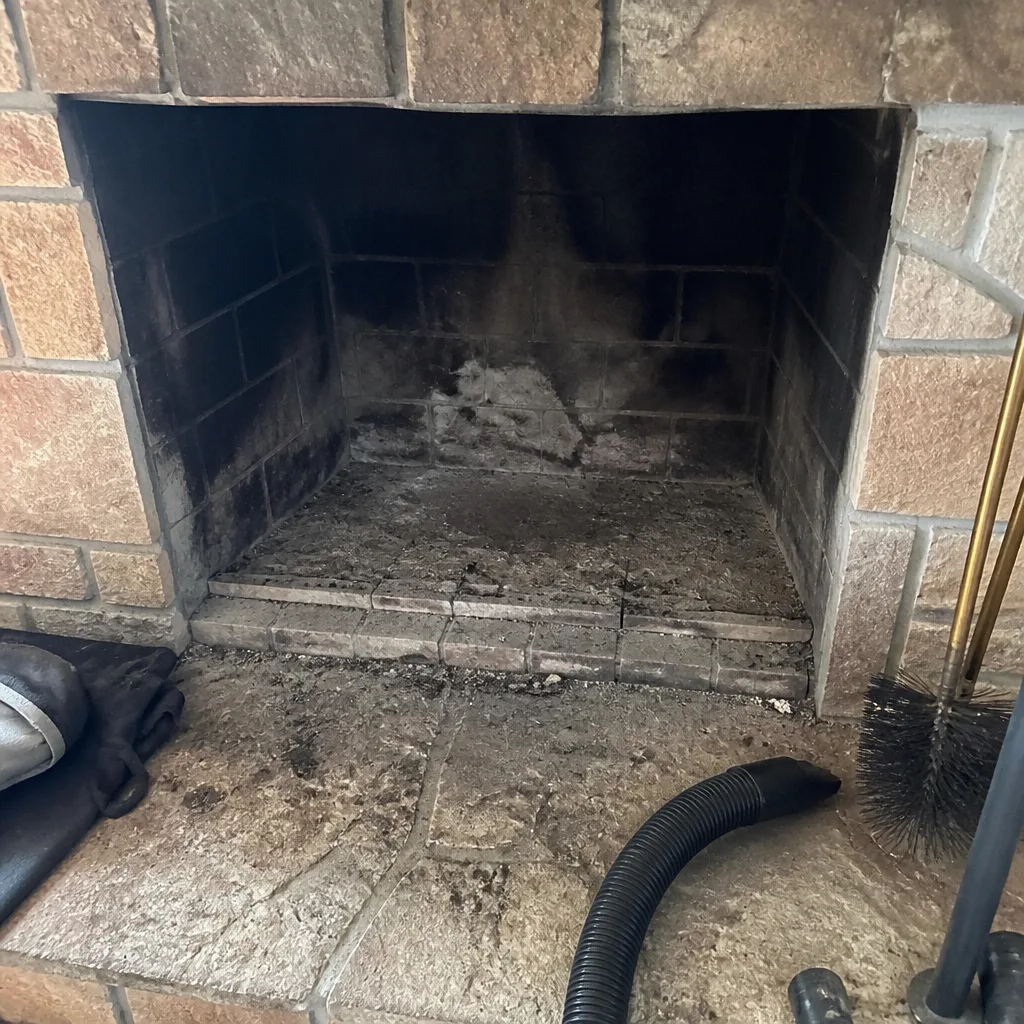 Before
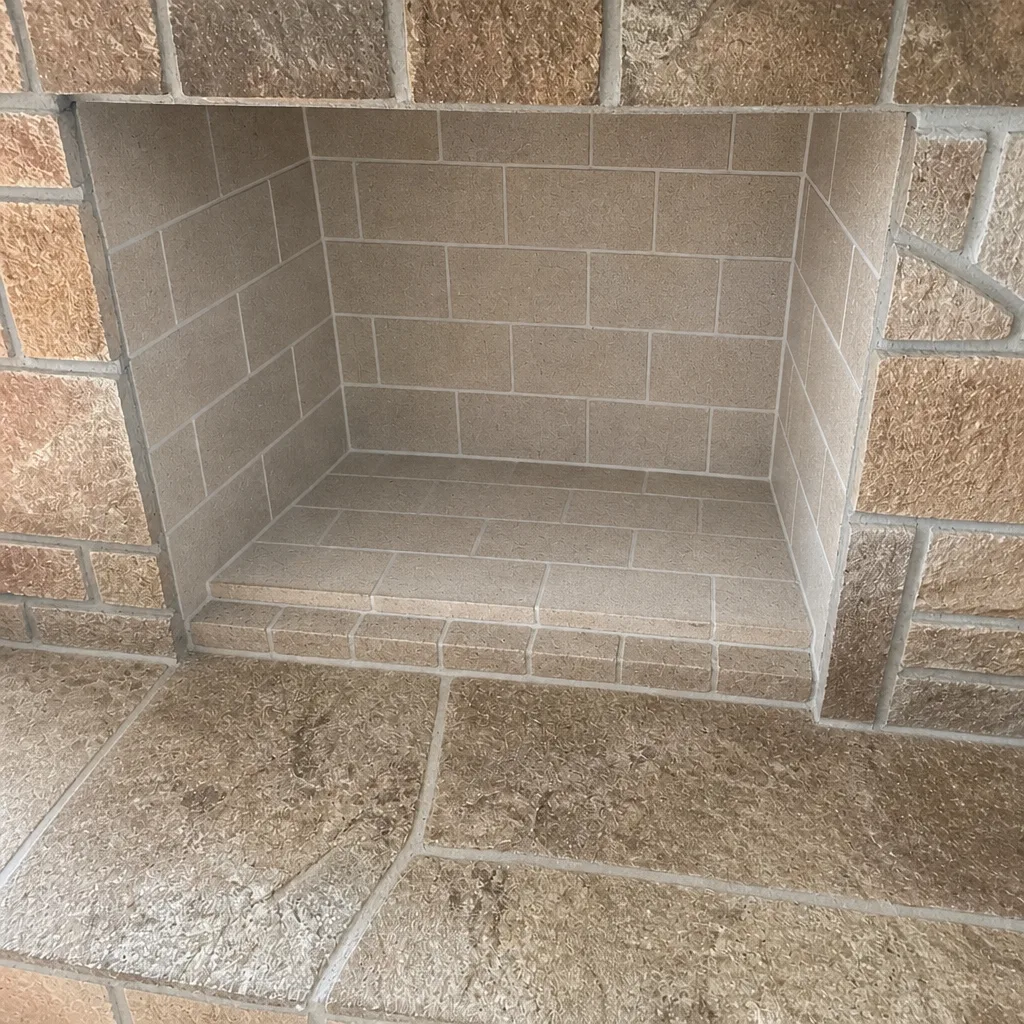 After
 Before
 After
 Before
 After
When to Call a Professional
There are specific signs that mean it’s time to stop putting off the call. Call a professional if: you’ve had a chimney fire (even a suspected one); you smell a strong, acrid odor from the fireplace that doesn’t clear with ventilation; you see cracked or missing tiles in the firebox or the base of the flue; the exterior cap is bent, rusted through, or missing; you’re buying a home with a wood-burning fireplace and haven’t had the flue inspected; or it’s been more than a season since your last sweep. A home with a gas fireplace also benefits from a periodic inspection to check the venting and cap. Centennial Chimney Sweep offers free estimates in Centennial – call (855) 629-6492. We inspect the full system – liner, crown, cap, firebox, and flue – before we recommend anything. Our technicians have up to 8 years of experience, and one call covers the sweep, the inspection, and any repair your chimney actually needs.
Frequently Asked Questions
Plan on an annual sweep and inspection if you burn wood regularly, and every other season if you burn lightly. The inspection itself is the deciding factor; a sweep year is the year the inspector says you need one. The safest schedule is at the start of burning season, before the first fire of the fall.
Yes. Many chimney fires are slow-burning and quiet, working on the creosote inside the flue with no visible flame from outside. You may notice a strong odor, a popping or roaring sound in the flue, or discolored creosote on the cap. If you suspect one, treat it as active and get the system inspected.
That depends on your policy, but most homeowners’ policies cover chimney fire damage if the fire wasn’t the result of neglected maintenance. This is why dated inspection and sweep records matter. A pre-fire report showing the system was in good condition helps establish that the fire was not the result of deferred care.
It checks the flue interior with a camera, the liner for cracks and gaps, the crown and cap for heat damage, and the chase and surrounding framing for damage that could indicate heat reached the structure. It also checks the firebox and damper. Most insurance policies require this inspection before the fireplace is used again.
No. Even a small chimney fire can crack tile or compromise a liner in ways you can’t see from the hearth. Relighting without a post-fire Level 2 inspection risks pushing heat or carbon monoxide into the wall framing. Book the inspection first.
Yes. We stock and are trained on professional-grade chimney products including DuraFlex liners, HeatShield resurfacing, Gelco, and Olympia Chimney components. If your repair needs a HeatShield liner resurfacing or a DuraFlex stainless liner system, we can handle it in one visit rather than sending you to a second contractor. Call (855) 629-6492 for a free estimate.
The Bottom Line
Chimney fire preparedness has three parts, and none of them require you to become a chimney expert. Prevent the pre-fire conditions through an annual sweep and inspection. Know the first sixty seconds if one starts: shut the damper, get out, call 911, and don’t try to fight it. Document the system before the season, and get a post-fire Level 2 inspection before the fireplace goes back into use. In Centennial, that means knowing your local response, keeping the chase accessible, and treating the annual inspection as the foundation of the plan rather than an optional add-on. The creosote stage, the liner condition, and the cap don’t manage themselves. A clean chimney is a starting point. A safe chimney means the liner, crown, and cap are all sound.
If it’s been a while since your last sweep, or you want a full-system inspection before the next burning season, get in touch. We handle the sweep, the inspection, and any repair the chimney needs in one call. Our technicians have up to 8 years of experience, and every job uses professional-grade materials from brands like DuraFlex, HeatShield, Gelco, and Olympia Chimney. You can also read more about Centennial Chimney Sweep and what we cover on our main page. Call (855) 629-6492. We answer 24/7. Fast dispatch from 7am to 7pm, Sunday through Friday.
Written by the team at Centennial Chimney Sweep.