
Last updated November 23, 2026
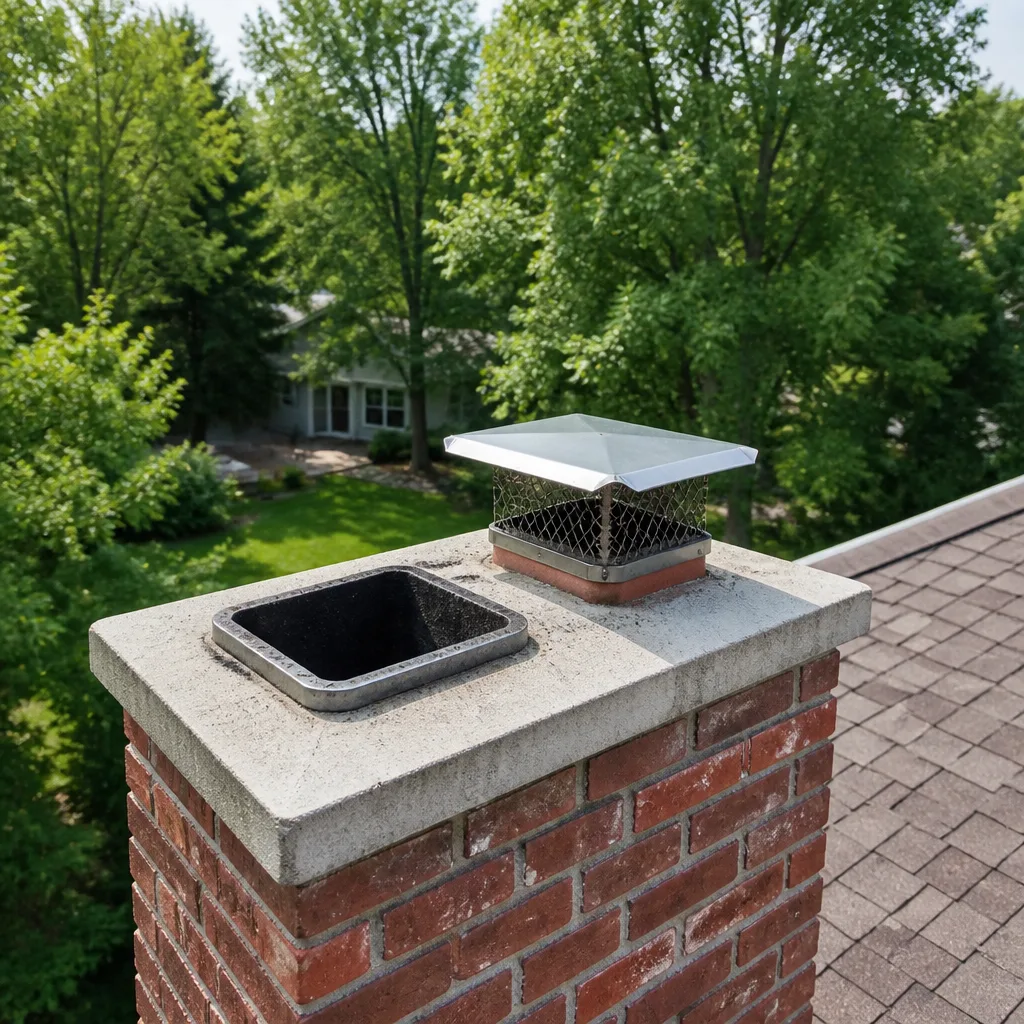 Sweep & inspection
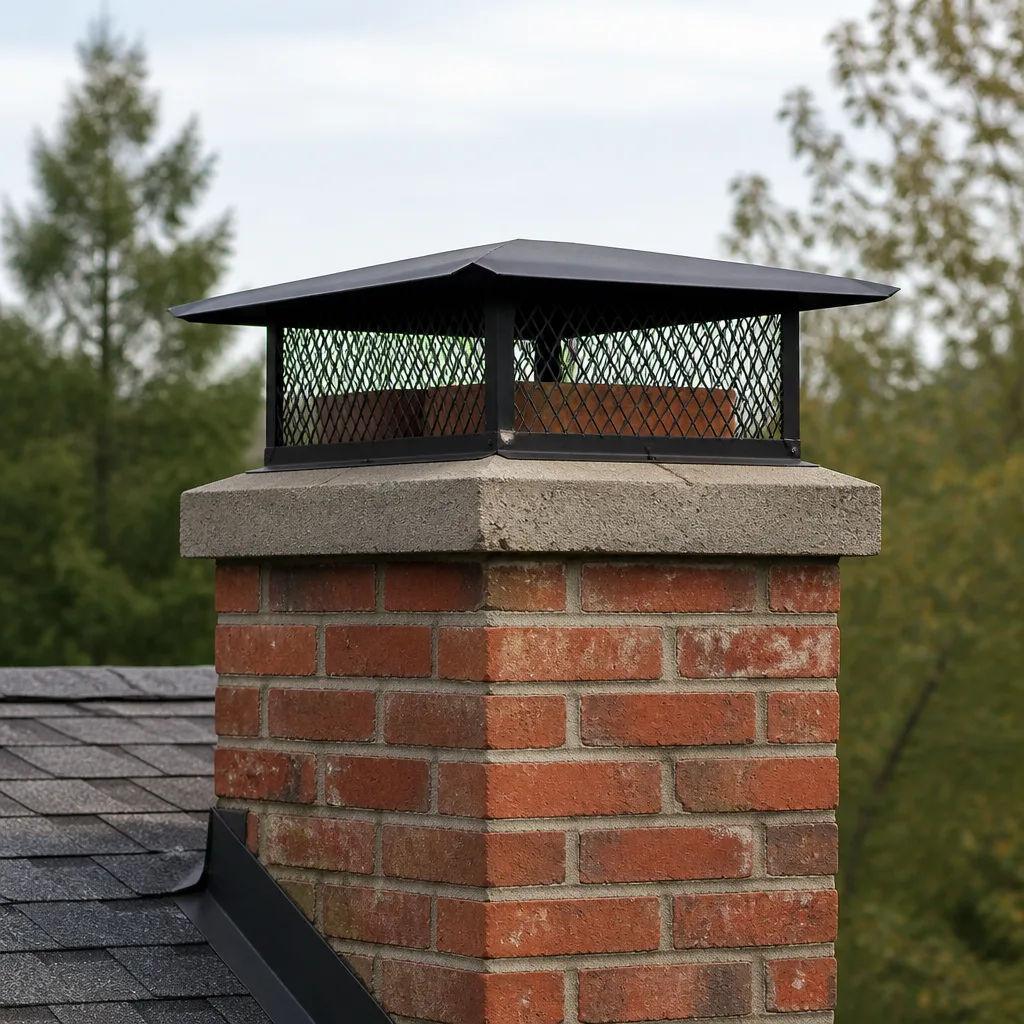 Caps & crowns
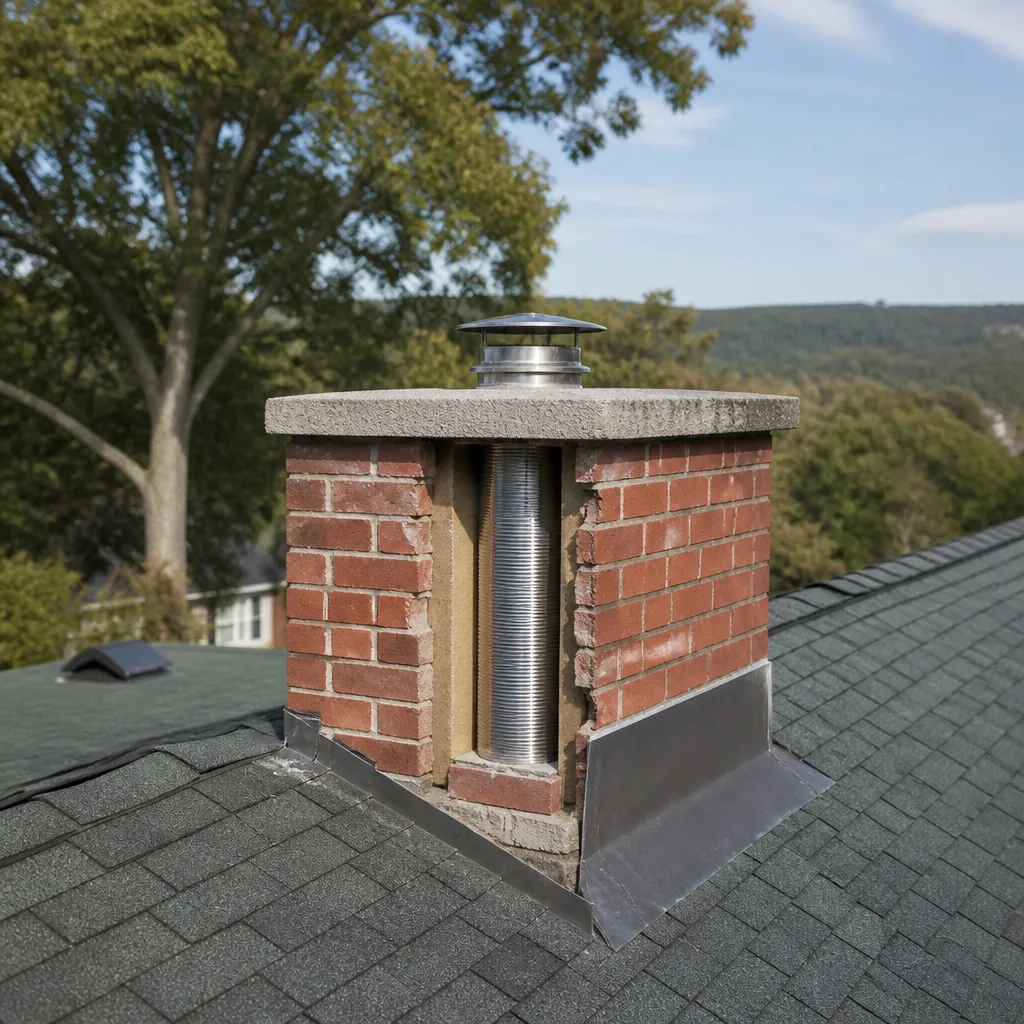 Flue relining
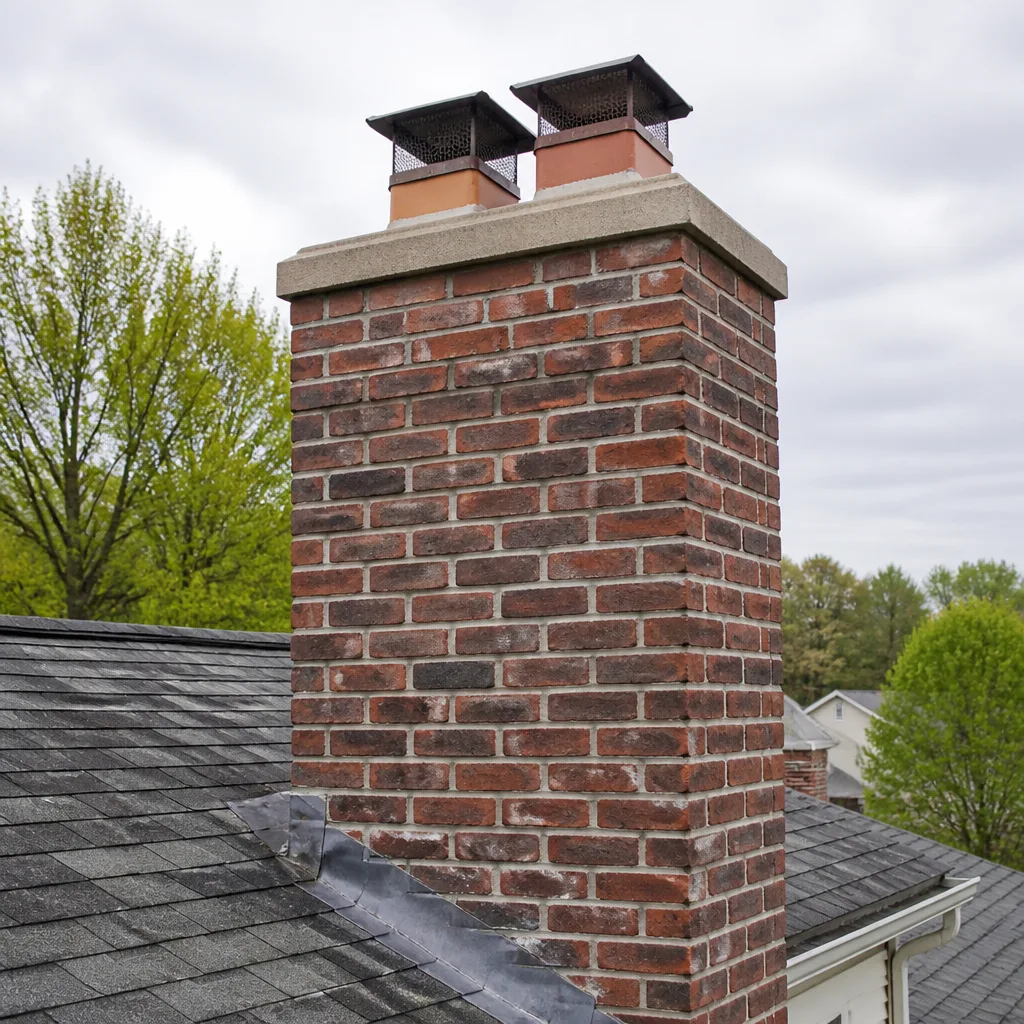 Masonry repair
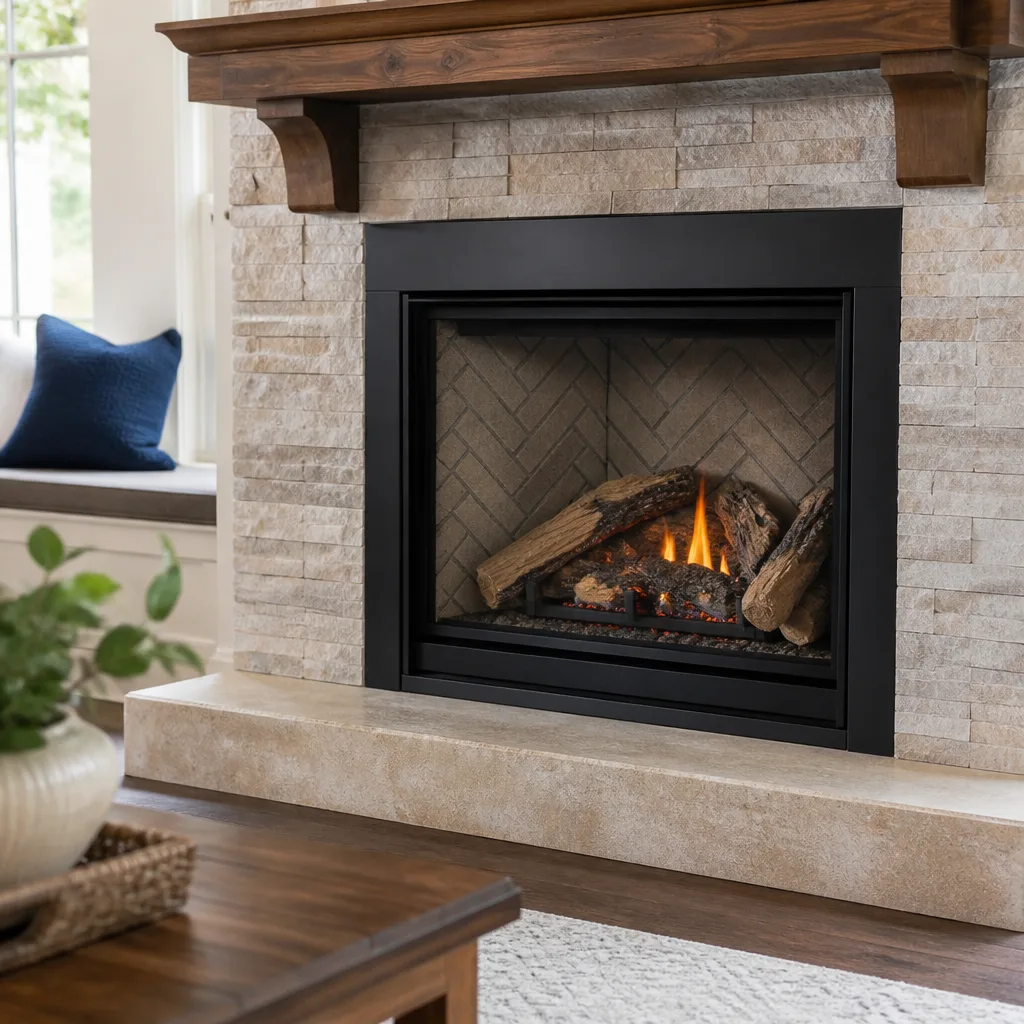 Gas fireplace service
Level 1 sweep and inspection to the NFPA 211 annual standard - flue, crown, cap, and flashing checked and photographed
Chimney sweep logs do not sweep chimneys. They loosen some creosote - which then falls where a brush and vacuum still have to collect it.
Chimney Cleaning Permits, Codes & Inspections in Centennial, CO: What You Need to Know
Most homeowners assume chimney work never touches a permit office. For routine sweeping, that’s true. But the moment a liner gets replaced, a crown gets rebuilt, or a flue gets relined after a chimney fire, you’ve crossed into territory governed by Arapahoe County and City of Centennial code, and the paper trail matters as much as the materials. Work done without the right permit can complicate an insurance claim down the line, even when the job itself was solid. This guide walks through which chimney jobs are routine maintenance and which need a mechanical permit, how a Level 2 inspection fits into a home sale, how the permit and inspection process actually runs, and what happens when unpermitted work surfaces years later.
Quick Answer
Routine chimney sweeping in Centennial does not require a permit. Alterations to the chimney system – replacing a liner, relining a flue, rebuilding a crown, or structural chimney repair – generally require a mechanical permit through Arapahoe County, and the work should be inspected before it’s closed up. A Level 2 inspection is legally required in most real estate transactions involving a wood-burning appliance and is strongly advisable any time the system has changed, been damaged, or gone unused for a long stretch.
Styles & brands we work with
- Sweep & inspection
- Caps & crowns
- Flue relining
- Masonry repair
- Gas fireplace service
Table of Contents
- Routine Maintenance vs. Alteration: Where the Permit Line Falls
- How Centennial’s Code and the International Residential Code Fit Together
- What a Level 2 Inspection Covers and When It’s Required
- How to Pull a Chimney Permit and What the Inspection Looks Like
- What Happens When Unpermitted Chimney Work Is Discovered
- Why Centennial’s Housing and Climate Affect Chimney Code Compliance
- The Code Points That Come Up Most Often on Chimney Jobs
- Keeping Records That Protect You at Resale
Routine Maintenance vs. Alteration: Where the Permit Line Falls
The cleanest way to think about chimney permitting is to split the work into two buckets: maintenance and alteration. Maintenance keeps the system doing what it already does. Alteration changes the system in a way that affects how it performs, how it’s vented, or how it’s structurally supported. Permits follow alterations, not maintenance.
In Centennial, here’s how that split usually falls out:
Routine maintenance – typically no permit
- Annual sweeping of a wood-burning flue
- Removing creosote and soot from the firebox and smoke chamber
- Replacing a chimney cap with a like-for-like cap
- Level 1 and Level 2 inspections
- Minor firebox cleaning and damper lubrication
- Replacing firebrick that has cracked in the firebox, when it’s a same-size replacement
Alterations – usually permit territory
- Installing a new stainless steel liner, whether it’s a first-time install or a replacement
- Relining a flue after a chimney fire or a failed inspection
- Converting a wood-burning fireplace to gas, or changing the venting for a new appliance
- Rebuilding a chimney crown or repairing the crown structure
- Structural chimney repair, including work on the chimney chase or the masonry above the roofline
- Adding a new chimney or extending an existing one
- Changing the flue size or the appliance connected to the flue
The reasoning is straightforward. A liner is the containment layer between combustion gases and the structure of your home. When it changes, the venting performance of the whole system changes. A crown is what sheds water away from the masonry. When it’s rebuilt, the water-management profile of the chimney changes. Those are the kinds of changes a building department wants eyes on before the work gets covered up.
Where homeowners get surprised is at the edges. Replacing a beat-up cap is routine. Replacing a cap with a different style that changes the draft characteristics of the flue edges toward alteration. Swapping a set of cracked firebricks for the same size is routine. Rebuilding the firebox with new dimensions is not. When you’re not sure which side of the line a job sits on, that’s exactly the moment to ask the building department. It’s a five-minute phone call that can save a lot of paperwork later.
If you want the full picture of what routine maintenance actually looks like on a Centennial home, our guide to a chimney sweep covers the annual calendar and what a sweep appointment typically involves.
How Centennial’s Code and the International Residential Code Fit Together
City of Centennial adopts the International Residential Code (IRC) as its base building code with local amendments passed by City Council. In practice, this means the chimney provisions you’ll see cited most often are IRC Chapter 10 for chimneys and vents and IRC Chapter 24 for chimney and vent systems serving fuel-gas appliances. Arapahoe County handles mechanical permitting and inspection for the City of Centennial through an intergovernmental agreement, so the permits themselves go through the county even though the work is in the city. If that sounds like a jurisdictional tangle, it isn’t once you’ve done it a few times – the county is the permitting authority for the mechanical scope.
What this arrangement means for a homeowner:
- The building department you call about a liner replacement is Arapahoe County, not the City of Centennial directly
- The code that governs the work is the IRC as adopted and amended by Centennial
- Local amendments generally tighten rather than loosen the IRC – they deal with things like snow load, frost depth, and seismic anchoring that matter more in Colorado than in other parts of the country
- The inspection card, once signed off, is what protects you at resale and at claim time
Where Centennial’s local code departs most noticeably from the IRC base is in the structural requirements above the roofline. Colorado’s snow load and wind exposure mean a chimney crown has to hold up to freeze-thaw cycles and weight that you don’t see in milder climates. Installers on the Front Range also have to account for the fact that summer hail and winter ice can pit a cheap crown within a few seasons. That’s part of why we work with chimney cap & crown components from manufacturer-grade brands like Gelco and Copperfield – they’re built to hold up here, and the inspector knows what to look for.
The IRC also sets the clearance rules your installer has to follow. A factory-built fireplace has a listed clearance the manufacturer controls, and no local code supersedes that. A masonry chimney has to maintain clearance to combustibles, and the flue liner has to be continuous from the appliance collar to the top of the chimney. Those are the points an inspector will visually confirm during the rough-in inspection. They’re also the points that get missed most often when a job is done without a permit by a crew that isn’t used to being inspected.
What a Level 2 Inspection Covers and When It’s Required
A Level 2 inspection is the inspection standard that goes beyond a visual walkaround. It includes a visual inspection of accessible portions of the chimney exterior and interior, plus video scanning of the flue with a camera when conditions warrant, and it covers attics, crawl spaces, and other accessible areas the vent passes through. The standard was established by the National Fire Protection Association (NFPA 211) and is what lenders, insurers, and real estate attorneys typically ask for.
When a Level 2 inspection is required
- Any real estate transaction involving a property with a wood-burning appliance, fireplace, or solid-fuel chimney
- After a chimney fire or a suspected chimney fire
- After any alteration to the chimney system, including a liner replacement
- After a significant weather event (hail, wind, or a freeze cycle that cracked the crown)
- When a homeowner changes the fuel type or the appliance connected to the flue
- When the previous owner’s maintenance history is unknown
When a Level 2 inspection is strongly advisable but not required
- Any time a home has sat vacant for more than a year
- When a homeowner notices draft problems that weren’t there before
- Before a first burn of the season on an older system that hasn’t been checked recently
- Any time a homeowner hears a sound from the flue that wasn’t there before
- Every ten years on any wood-burning system, even one that’s been maintained diligently
In our experience, the real estate inspection is where the value shows up most. A Level 2 inspection is what a buyer’s inspector will ask for, and having the report in hand before the buyer’s inspector shows up removes a whole category of negotiation friction. A relining proposal that looks alarming to a buyer’s agent looks routine when it’s paired with a report that documents what’s actually wrong and what isn’t.
The other place the Level 2 inspection earns its keep is after any alteration. If a liner was replaced, the Level 2 inspection documents that the new liner was installed to spec and that the connections are sound. That document is what turns an insurance company’s “we’ll need to review the file” into “you’re covered.”
How to Pull a Chimney Permit and What the Inspection Looks Like
If you’re having a liner replacement, a reline, a crown rebuild, or structural chimney repair done in Centennial, here’s the sequence the process typically follows.
- Scope the work with a written estimate. A proper estimate describes the work in the language a building department expects – liner type, appliance connection, any structural elements being addressed. Vague estimates are a red flag from a permitting standpoint because they don’t give the permit office enough to work with.
- Pull the mechanical permit through Arapahoe County. The permit is usually pulled by the licensed contractor who will perform the work. Some homeowners pull the permit themselves if they’re doing the work, but most chimney work in Centennial is done by a contractor for safety reasons.
- Complete the rough-in work and schedule the rough inspection. For a liner replacement, the rough inspection happens after the old liner is out and the new liner is in place, but before the cap, crown, and any finishing work go on. The inspector wants to see the liner, the connection at the appliance, and the clearance points.
- Close the job with a final inspection. After the cap and crown are set and the finishing work is complete, a final inspection confirms the whole system is put together to code. The signed inspection card is the document you keep.
- Keep the inspection card with the house records. This is the piece that matters at resale and at claim time. Hold onto it as carefully as the deed.
For crown repairs and structural work, the inspection sequence often has an additional middle inspection, because the inspector wants to see the substrate before the new crown is poured or set. The exact sequence depends on the scope and shows up in the permit itself. What’s consistent across jobs is this: nothing gets closed out until the inspector has seen what’s underneath.
Because our technicians have up to 8 years of experience with permitted work, we’ve walked this process enough times to plan the sequence into the estimate. The permit is part of the job, not an afterthought. That’s also why we stock professional-grade components from Olympia Chimney and DuraFlex – the materials that pass inspection without a second trip are the materials worth installing the first time.
What Happens When Unpermitted Chimney Work Is Discovered
Unpermitted chimney work can come back to bite you in three main ways, and none of them are pleasant.
At resale
A buyer’s inspector who finds a new liner, a rebuilt crown, or a fresh reline without a corresponding permit record will flag it. At that point the seller usually has two paths: pull a retroactive permit and have the work inspected, or negotiate a credit so the buyer can redo the work. Neither is cheap, and the retroactive permit path depends on the work actually being up to code once the inspector sees it. If it isn’t, the credit gets bigger.
At claim time
Insurance carriers routinely request documentation when a chimney fire claim is filed. If the liner was replaced without a permit and without a final inspection, the carrier can treat the work as unverified and dispute coverage for damage connected to it. In our experience, this is the scenario that surprises homeowners most – they assume that if a licensed contractor did the work, coverage is automatic. It isn’t. The paper trail is what makes it automatic.
At the building department
If a building inspector discovers unpermitted work during an unrelated permit (say, a kitchen remodel that touches the fireplace wall), the homeowner typically gets a stop-work order on the chimney until it’s permitted and inspected. That can add weeks to a project that had nothing to do with the chimney.
The fix is straightforward: get the permit up front, have the work inspected, and keep the card. If you’ve inherited a home where a previous owner’s chimney work is undocumented, a Level 2 inspection paired with a review of the visible evidence is the best way to figure out what you’re dealing with. If the work is sound, a retroactive permit is often possible. If it isn’t, at least you know before it becomes an emergency.
For homeowners who are new to Centennial or who recently bought a home here, our team at Centennial Chimney Sweep can walk through the system and identify anything that might not have a permit on record. Free estimates and documented findings make sure you know what you’re actually owning.
Why Centennial’s Housing and Climate Affect Chimney Code Compliance
Centennial’s housing stock spans a wide range – the neighborhoods of Willow Creek and Foxridge have a mix of 1980s and 1990s construction with factory-built fireplaces, while areas like Piney Creek and Cherry Creek Vista include larger homes with masonry chimneys that see heavier use. Newer construction around the Arapahoe Road corridor often has sealed-combustion gas fireplaces, which have their own venting code separate from wood-burning systems. Each of those housing types has different permitting patterns and different code points that apply.
Climate is the other big factor. The Front Range’s freeze-thaw cycle is what kills chimney crowns. A crown built with the wrong mix or the wrong slope will crack within a season or two here, and once it cracks, water gets into the masonry and the whole system starts degrading faster than it would in a milder climate. When we estimate a crown rebuild, the mix and the slope are part of the conversation because they’re part of the code compliance. A crown that doesn’t shed water properly isn’t done, even if it looks finished.
The dry winter air also affects how firewood burns, which affects how fast creosote accumulates. That’s a maintenance point rather than a permit point, but it’s worth flagging because it drives how often a Centennial chimney needs to be swept. Homes burning seasoned hardwood and burning hot fires accumulate creosote more slowly than homes burning green wood or running smoldering fires. The difference can be a sweep every other year versus a sweep every year, and the Level 2 inspection interval shifts with it.
Altitude is a smaller factor but a real one. Centennial sits at roughly 5,900 feet, and at that elevation a wood-burning appliance drafts differently than it does at sea level. That’s one reason the appliance’s listed clearances and the flue sizing have to be followed exactly – there’s less margin for error in a thinner atmosphere. A liner sized for a lower elevation can underperform here, which is why the sizing calculation matters as much as the material.
The Code Points That Come Up Most Often on Chimney Jobs
Most of the code conversation on a typical Centennial chimney job comes down to a handful of points. Understanding them helps you ask better questions and spot when a proposal is missing something.
- Liner continuity. The flue liner has to run continuously from the appliance collar to the top of the chimney, with no breaks and no section substituted for a different material mid-run. A liner that stops short of the top or starts partway up fails this point.
- Clearance to combustibles. The chimney has to maintain the clearance the code and the appliance listing call for. In older homes, this is the point that most often needs correction because a previous owner packed insulation or framing too close.
- Crown slope and material. The crown has to slope away from the flue and has to shed water without cracking. A crown poured flat holds water and fails.
- Cap coverage. The cap has to keep water and animals out of the flue while still allowing the flue to vent. Spark arrestors are required on solid-fuel appliances.
- Chase top and cricket. A chimney chase that meets a roof slope needs a cricket to divert water. Missing crickets are the most common roof-leak source we see around chimneys.
- Appliance connection. The connection between the appliance and the flue has to be sealed and listed for the appliance. Improvised connectors fail inspection.
- Fireblocking and flashing. The chimney has to be properly flashed where it penetrates the roof and properly fireblocked where it passes through floors and ceilings.
The point we see corrected most often is crown slope. Homeowners sometimes ask why a crown replacement costs what it does when the old crown “just had a crack in it.” The answer is that the crack is where the water got in, and the crown underneath has to be rebuilt properly to prevent the same crack from forming again. Half-measures fail the inspection and fail in the field.
Keeping Records That Protect You at Resale
The simplest document that protects a Centennial homeowner is a folder – physical or digital – that holds the sweep cards, inspection reports, permits, and final inspection cards for every piece of chimney work done on the house. Every one of those documents answers a question that comes up during a sale, a claim, or a future permit application.
What belongs in that folder:
- The most recent Level 1 or Level 2 inspection report
- Sweep records for the last few years (the date and what was found)
- Any mechanical permit and final inspection card for liner, crown, or structural work
- Photos of the crown and cap after installation
- The written estimate for each job, kept with the invoice
If the folder is thin – say, you bought the home and the previous owner never mentioned the chimney – a Level 2 inspection is the starting point. It documents the current condition, flags anything that needs a permit to correct, and gives you a baseline to compare against future inspections. That baseline is worth more than the inspection fee, especially at resale, because it turns a negotiation into a conversation about documented facts.
Our fireplace repair work includes documenting the current condition of the firebox and the appliance connection, which slots neatly into the same folder. One call can cover the sweep, the inspection, and any repair your chimney actually needs – no need to juggle three contractors.
Common Mistakes to Avoid
- Assuming the sweep person handled the permit. Sweeping doesn’t require one, so the question never comes up. If you’re having a liner replaced, ask explicitly who pulls the permit and who schedules the final inspection. Get it in writing on the estimate.
- Skipping the final inspection to save a week. The rough-in inspection without the final inspection leaves a hole in the paper trail. The final card is what the insurer and the buyer’s agent want to see.
- Treating a crown repair as a maintenance item. A crown rebuild is an alteration and needs a permit. Hiring a handyman to “patch it up” leaves you with no inspection card and a crown that fails within a season in Centennial’s freeze-thaw cycle.
- Relying on a visual inspection alone. A Level 1 visual inspection is fine for a maintained system, but any transaction, alteration, or chimney fire calls for a Level 2. Missing that step can turn into a resale credit much larger than the inspection cost.
- Hiring a contractor who won’t pull the permit. A contractor who proposes to “just do the work” and skip the permit is telling you something about how they operate. Walk away and find someone who pulls the permit as standard practice.
- Not knowing which jurisdiction handles the permit. In Centennial, mechanical permits go through Arapahoe County, not the city directly. Calling the wrong office costs time and sometimes a wasted trip.
- Forgetting the folder at resale. A documented chimney system is worth more in a sale than an undocumented one – not in a dollar figure you can point to, but in the negotiations it prevents.
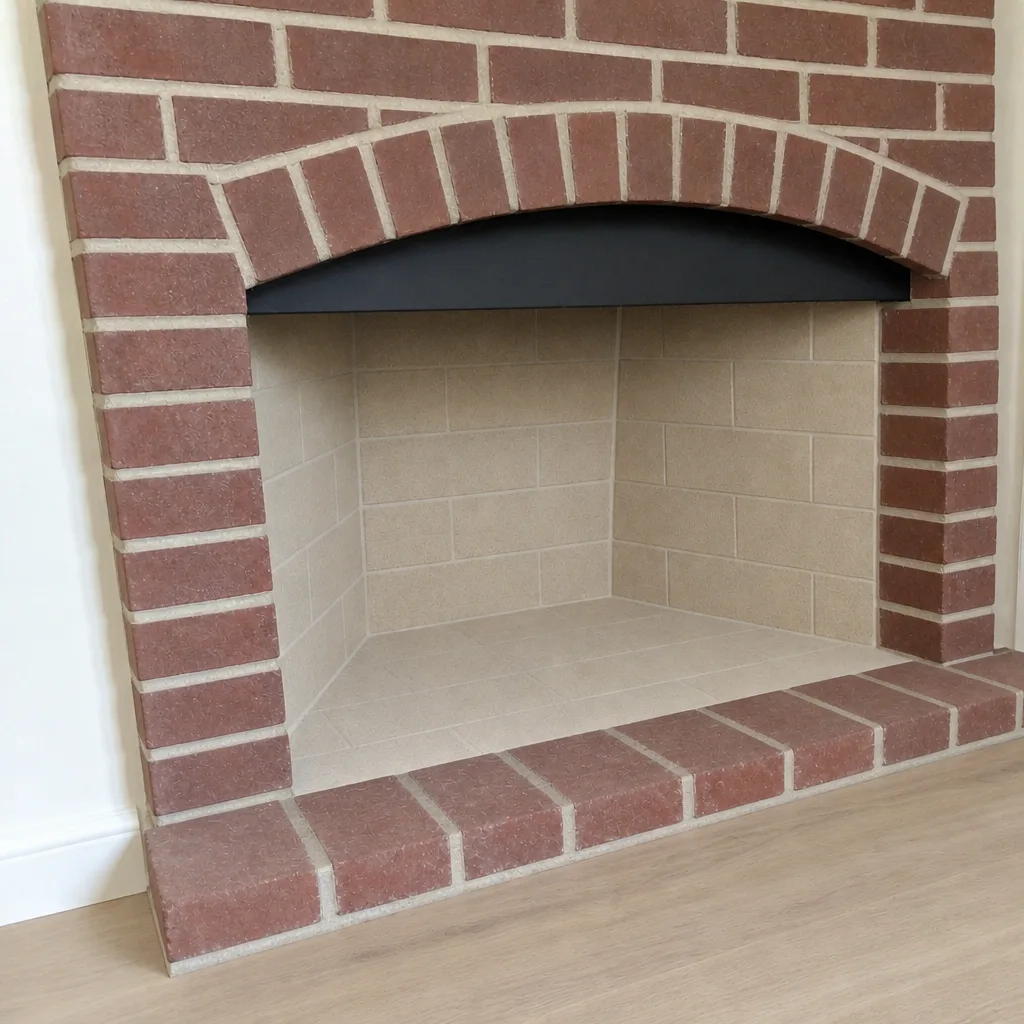
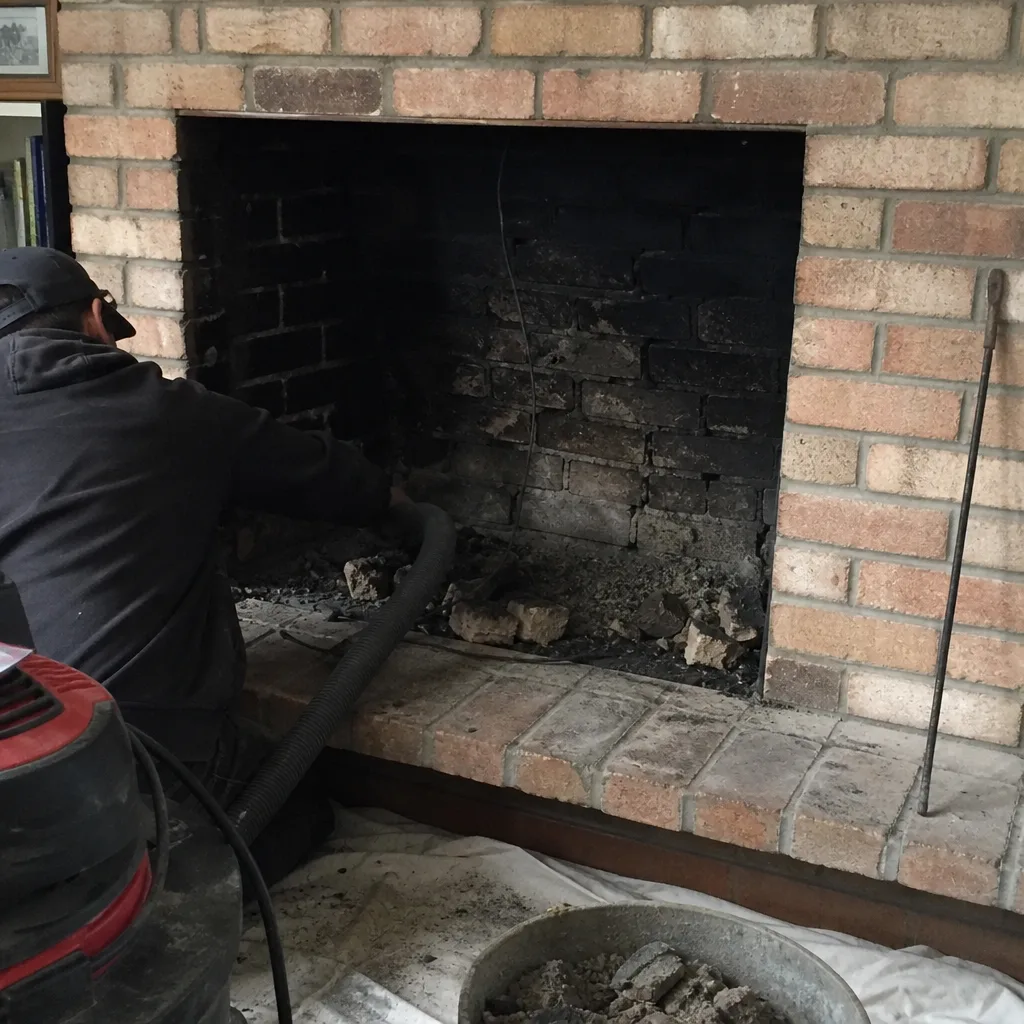
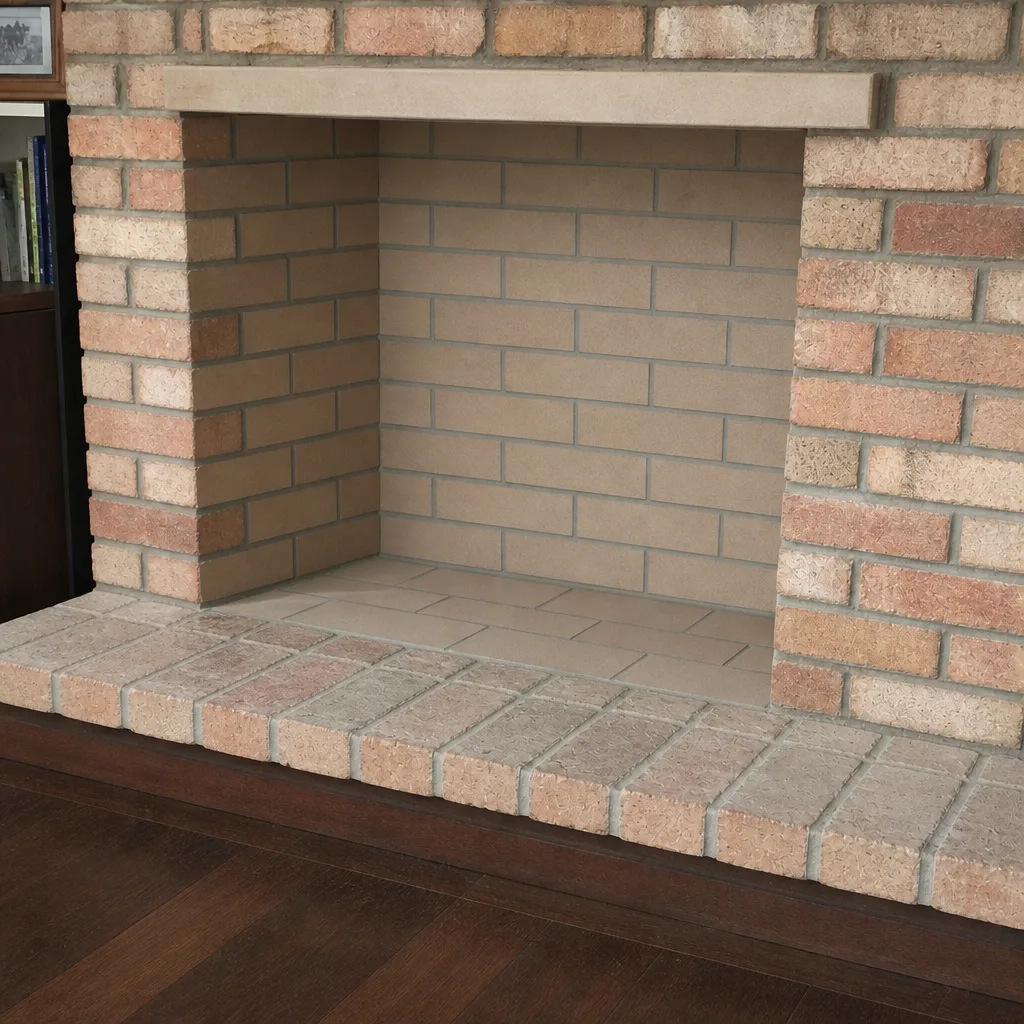
See the difference
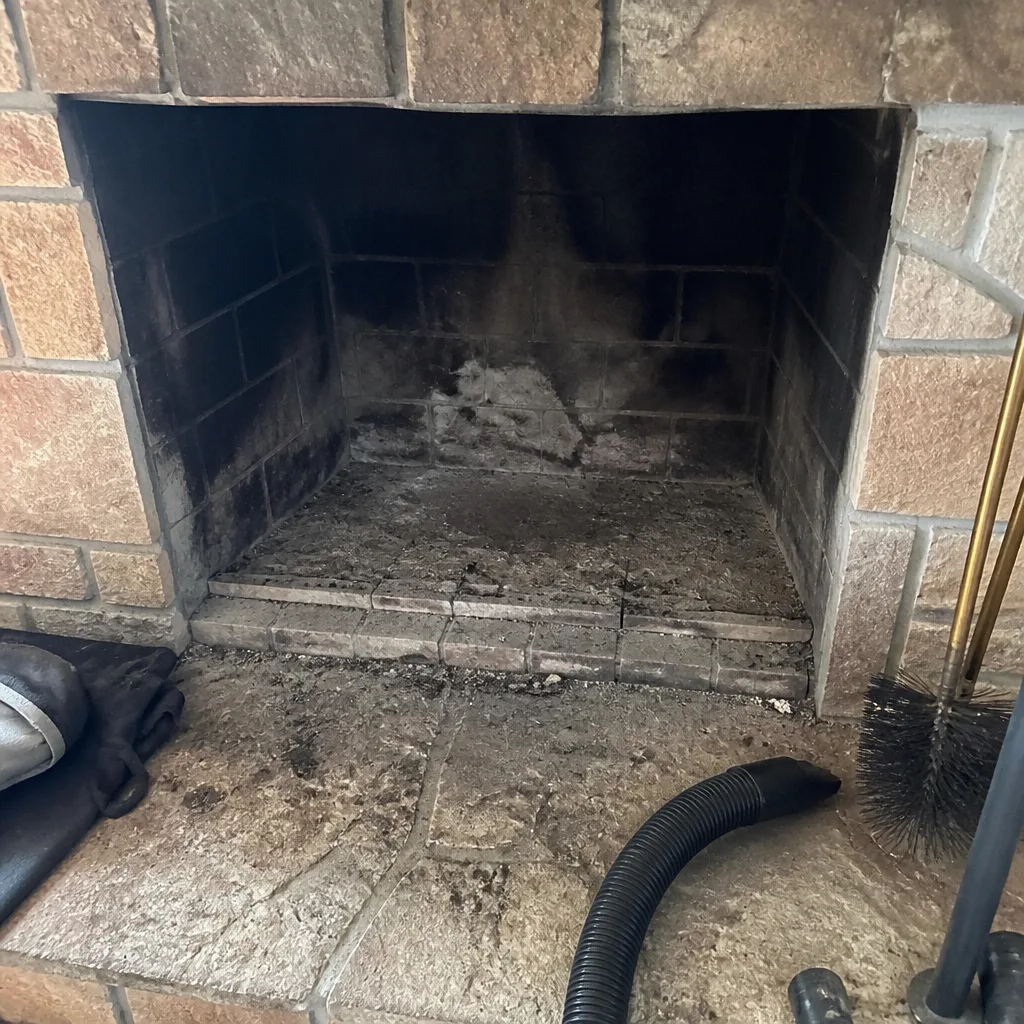 Before
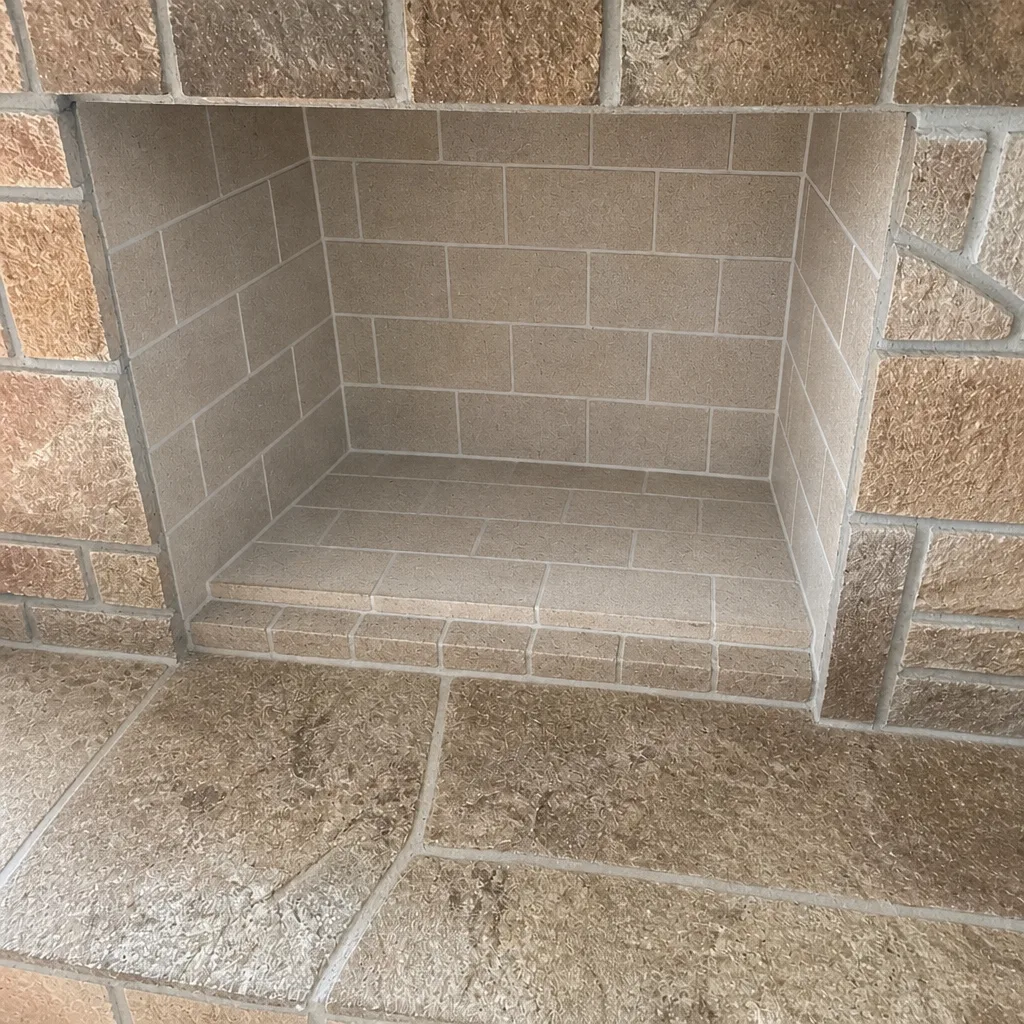 After
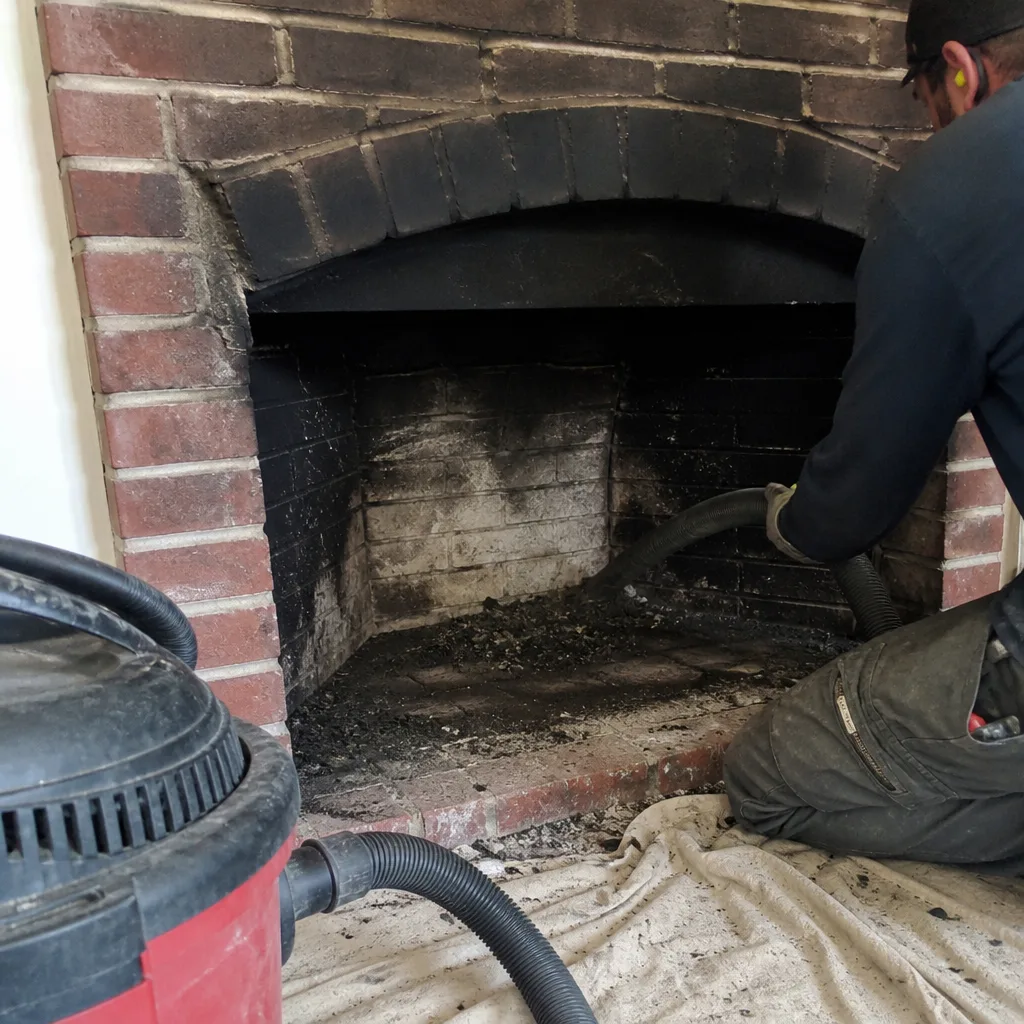 Before
 After
 Before
 After
When to Call a Professional
If you’re facing any of the following, it’s time to get a professional involved rather than handling it yourself: a liner that fails a visual inspection, a crown that’s cracked or missing slope, a flue that has visible damage from a chimney fire, a home sale coming up on a property with a wood-burning fireplace, or a permit application that’s stalled because nobody’s sure what scope of work the chimney needs. These aren’t jobs where a generalist handyman and a hardware-store liner will do. The code requirements are specific, the inspection process has more than one stage, and the materials need to be manufacturer-grade to hold up in Centennial’s climate.
Centennial Chimney Sweep offers free estimates in Centennial – call (855) 629-6492. We answer 24/7. Fast dispatch from 7am to 7pm, Sunday through Friday. We’ll inspect the full system – liner, crown, cap, firebox, and flue – before we recommend anything, and we’ll tell you plainly which repairs need a permit and which can safely wait.
Frequently Asked Questions
No. Routine chimney sweeping in Centennial does not require a permit because it’s maintenance, not alteration. You only need a permit when the work changes the system – a liner replacement, a reline, crown repair, or structural chimney work. Call (855) 629-6492 for an exact quote on any scope of work – estimates are free.
Yes. A liner replacement is an alteration to the venting system and requires a mechanical permit through Arapahoe County, which is the permitting authority for the City of Centennial. The work should have a rough-in inspection and a final inspection. Call (855) 629-6492 to talk through the scope – estimates are free.
In most transactions involving a wood-burning fireplace or stove, yes – the buyer’s lender, insurer, or attorney will typically ask for a Level 2 inspection, and it’s the standard the real estate process expects. If your home has a wood-burning appliance and you’re selling in Centennial, plan for one. Call (855) 629-6492 to schedule – estimates are free.
The buyer’s inspector will flag it, and you’ll typically have to either pull a retroactive permit and have the work inspected or negotiate a credit so the buyer can redo it. Either path costs more than pulling the permit up front. Call (855) 629-6492 for a document review – estimates are free.
An annual Level 1 inspection is the baseline for a maintained wood-burning system, with a Level 2 inspection every ten years, after any alteration, after a chimney fire, and at any real estate transaction. In Centennial’s climate, the annual inspection is also the best way to catch a crown crack before it turns into a masonry repair. Call (855) 629-6492 to schedule – estimates are free.
Yes, an insurer can dispute coverage for damage connected to unpermitted chimney work because the work isn’t documented as inspected and code-compliant. A permit, a final inspection card, and a Level 2 inspection report are what turn a disputed claim into a covered one. Call (855) 629-6492 if you’re not sure what’s on record for your chimney – estimates are free.
The Bottom Line
Chimney sweeping in Centennial doesn’t need a permit. Everything that changes the system – liner replacement, reline, crown rebuild, structural chimney repair – does, and it goes through Arapahoe County, not the city directly. A Level 2 inspection is what documents the system for a real estate transaction, an insurance claim, or any post-alteration verification. The permit and final inspection card are the documents that protect you years later. Getting them at the time is straightforward; getting them retroactively is a headache, and getting denied coverage for lack of documentation is worse. If you’re not sure which side of the line your job sits on, ask before the work starts.
When you’re ready to plan the work, call Centennial Chimney Sweep at (855) 629-6492 for a free estimate. We answer 24/7. Fast dispatch from 7am to 7pm, Sunday through Friday. We’ll inspect the full system – liner, crown, cap, firebox, and flue – before we recommend anything, so you know exactly what needs a permit, what doesn’t, and what can safely wait. Installed with DuraFlex, HeatShield, Gelco, Olympia Chimney, Famco, and Copperfield materials, the same professional-grade products chimney professionals rely on nationwide.
Written by the team at Centennial Chimney Sweep.