
Last updated November 23, 2026
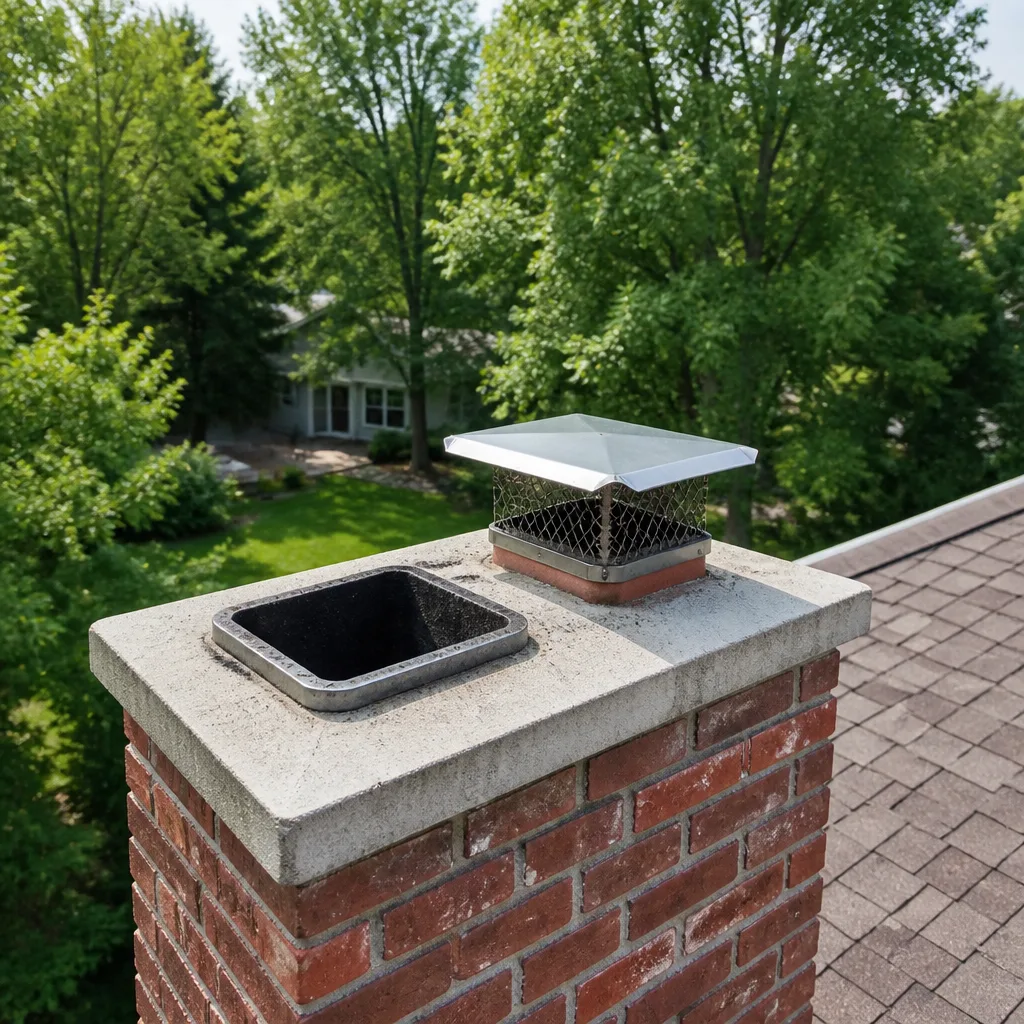 Sweep & inspection
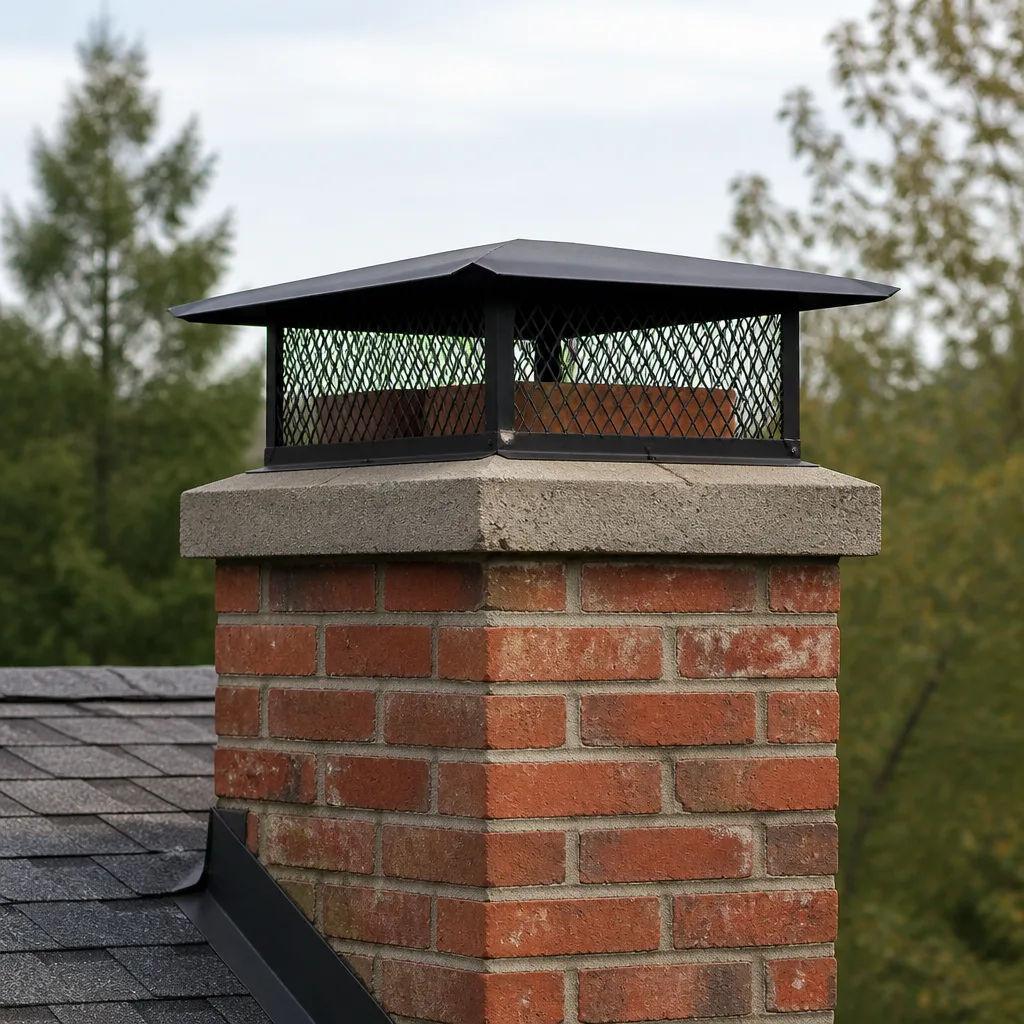 Caps & crowns
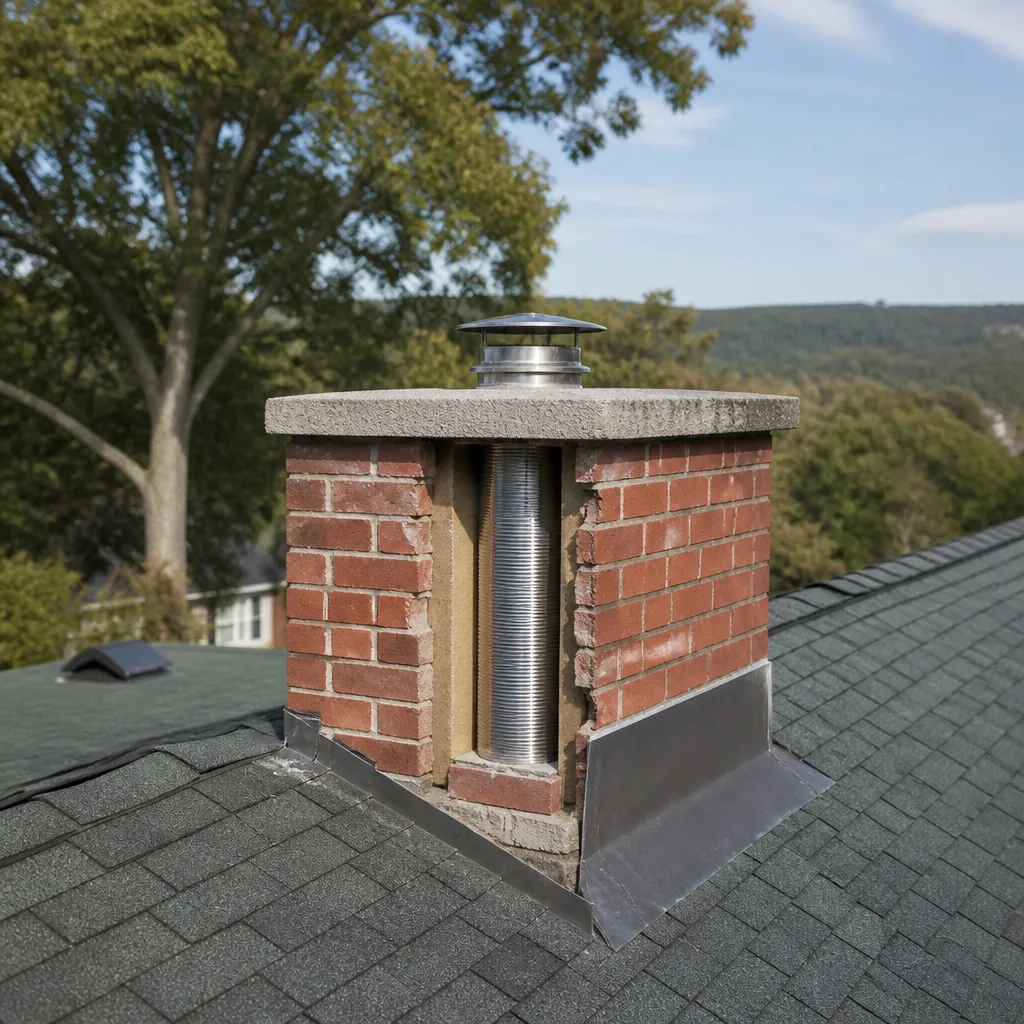 Flue relining
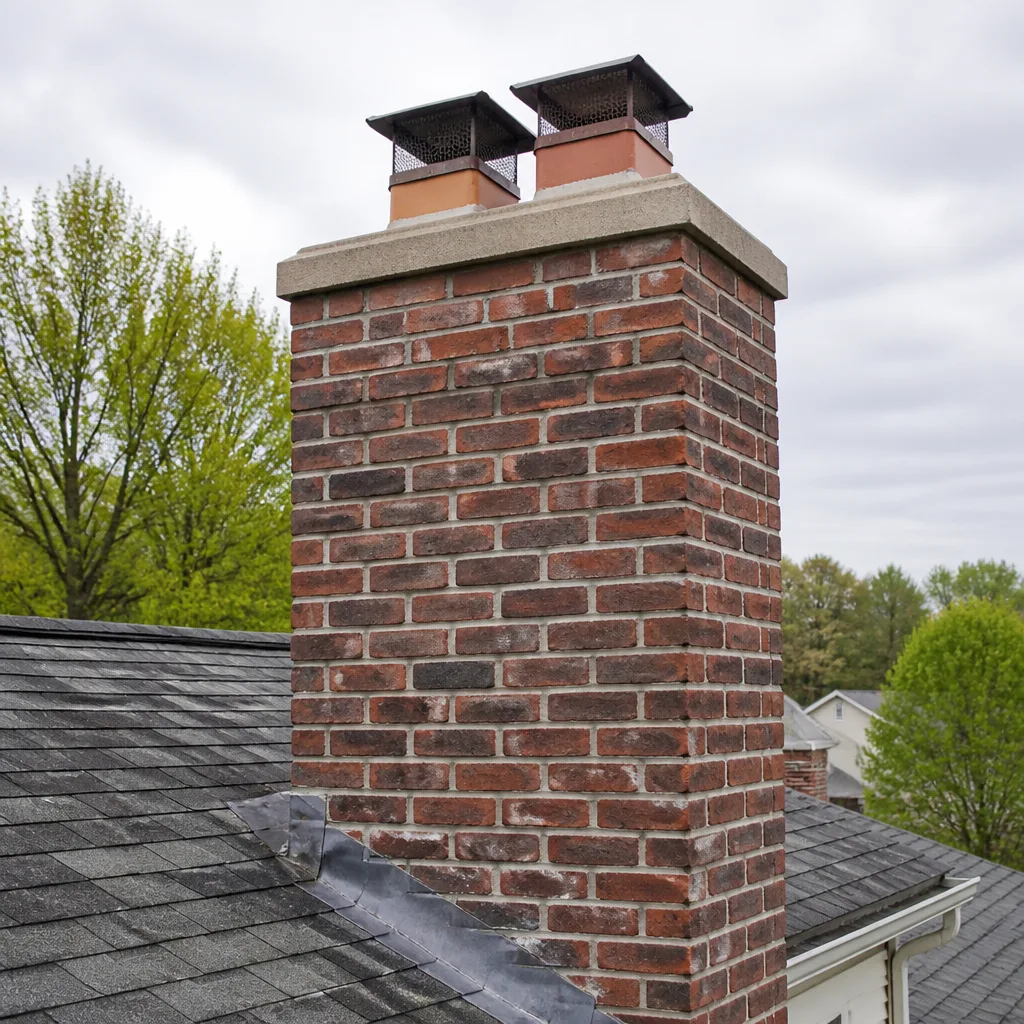 Masonry repair
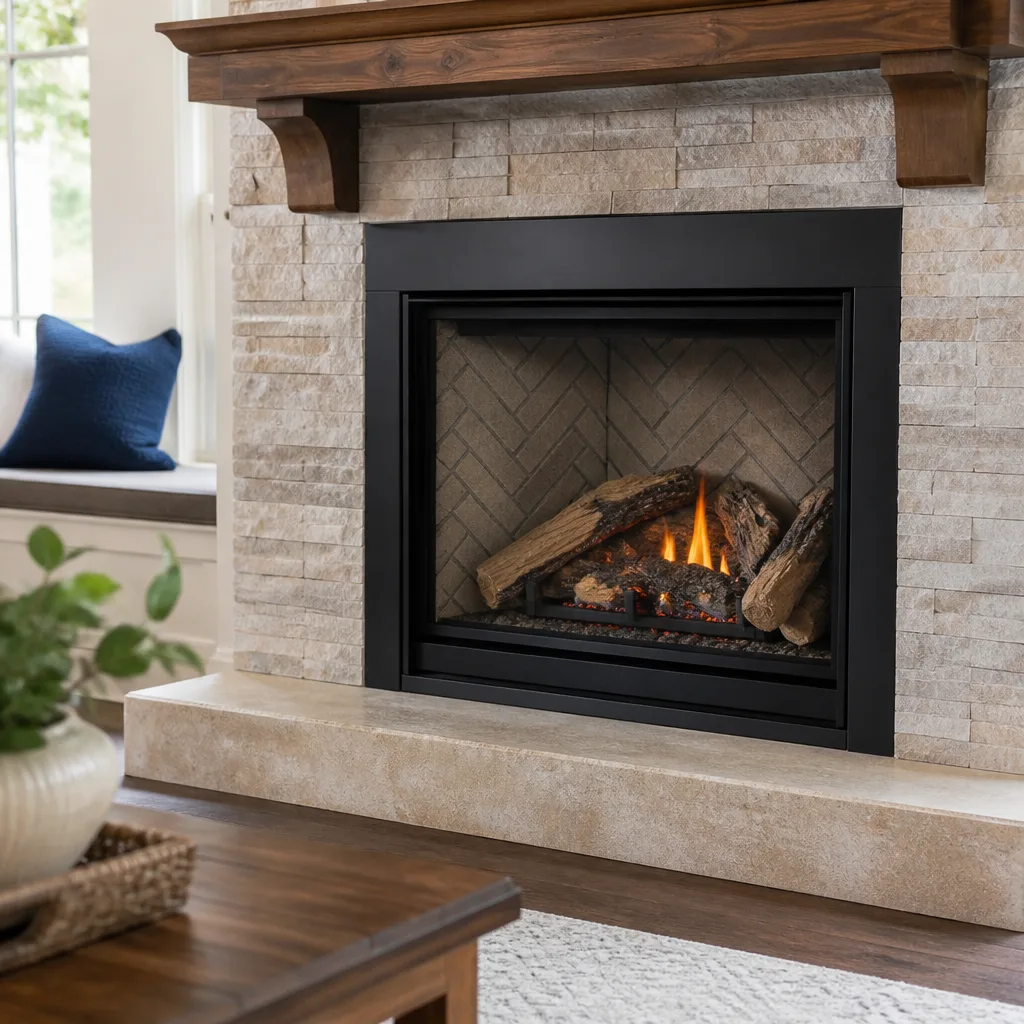 Gas fireplace service
Level 1 sweep and inspection to the NFPA 211 annual standard - flue, crown, cap, and flashing checked and photographed
Chimney sweep logs do not sweep chimneys. They loosen some creosote - which then falls where a brush and vacuum still have to collect it.
Seasonal Chimney Cleaning Care for Centennial: Year-Round Homeowner’s Guide
The worst time to clean a chimney is right before you need it. That’s also when most Centennial homeowners call: October, once the first cold snap hits, after summer moisture has been working on the crown mortar for months and chimney swifts have already raised a family in the flue. By then you’re reacting. A chimney system in Centennial doesn’t have an “off-season” and an “on-season.” It has four distinct seasonal windows, and each one puts a different kind of stress on the masonry and steel that make up your chimney. This guide maps the specific care tasks to each window based on what Colorado weather actually does, so you’re preventing problems instead of paying for them.
Quick Answer
Seasonal chimney care in Centennial breaks down into four jobs: inspect the crown and flashing in spring after freeze-thaw cycles, cap or screen the flue before summer nesting season, sweep and inspect in late September before the first fire, and monitor draft and creosote through winter. The single most useful habit is booking your pre-season sweep in the last two weeks of September rather than October, when schedules in Centennial fill and the first cold nights arrive without warning.
Styles & brands we work with
- Sweep & inspection
- Caps & crowns
- Flue relining
- Masonry repair
- Gas fireplace service
Table of Contents
- Why Centennial Chimneys Need a Seasonal Calendar
- Spring: Freeze-Thaw Damage to Crown Mortar and Flashing
- Summer: Chimney Swifts, Caps, and the Migratory Bird Treaty Act
- Fall: The Optimal Pre-Season Window in Centennial
- Winter: Safe Fireplace Use and What Draft Problems Mean
- Year-Round: Cap and Screen Care for Hail and UV
- A Simple Seasonal Inspection Schedule
- Common Mistakes to Avoid
- When to Call a Professional
Why Centennial Chimneys Need a Seasonal Calendar
Most chimney advice you’ll read was written for a generic climate. Centennial isn’t generic. Sitting at roughly 5,500 feet along the Front Range, this city swings through wide temperature arcs in a single day, gets hammered by hailstorms in spring and summer, and bakes under intense high-altitude sun the rest of the year. Those three forces – freeze-thaw, hail, and UV – attack a chimney in different ways and at different times. That’s why a single annual sweep, useful as it is, doesn’t cover everything.
Think of your chimney as a system with distinct parts. The firebox and flue handle combustion and venting. The crown – the concrete cap at the very top – sheds water away from the masonry. The flashing seals where the chimney meets the roof. The cap and screen keep out water, animals, and debris. Each part has a season when it’s most vulnerable.
We inspect the full system – liner, crown, cap, firebox, and flue – before we recommend anything, and the seasonal pattern below is what that inspection is checking against. When we look at a chimney in Centennial in April, we’re looking for freeze-thaw cracks. In July, we’re looking for nests. In October, we’re looking for creosote. Same chimney, three different questions.
The practical upshot: a homeowner who understands the calendar can catch small problems in the cheap season and avoid a structural repair later. A homeowner who only thinks about the chimney in October is always one step behind the weather.
Spring: Freeze-Thaw Damage to Crown Mortar and Flashing
Spring is when Centennial’s freeze-thaw cycle does its quiet damage. During a typical late-winter and early-spring stretch, daytime temperatures climb above freezing and melt snow and ice on the roof, then nighttime temperatures drop back below freezing and refreeze that meltwater. Water is one of the few materials that expands when it freezes, and it expands with real force. When that water has soaked into the mortar of your crown or the seams around your flashing, the nightly refreeze pushes those joints apart a little more each time.
The crown is the most exposed concrete surface on a house. A hairline crack in the crown looks harmless in April. By the following spring it can be a channel that funnels water straight into the masonry and down toward the attic. Flashing has a similar failure mode. The sealant and metal that keep water out at the roofline get worked by the same expansion. Once that seal opens, water finds the framing.
What to check yourself, without climbing anything:
- Look at the chimney from the ground with binoculars. Cracks, crumbling mortar, or a visibly tilted crown are all worth a professional look.
- Check the ceiling and framing near the chimney inside the attic for staining or damp patches after a wet spring storm.
- Look for rust streaks on the exterior of the chimney or the roofline, a sign water is getting where it shouldn’t.
- Watch for interior paint bubbling or efflorescence – white powdery staining – on chimney masonry, both signs of moisture moving through.
Spring is also the season to schedule chimney cap & crown work, because the repair materials cure and set well before the fall. A crown rebuilt or resurfaced in May has the whole dry season to settle in before the snow returns.
What a spring crown inspection actually involves
A proper inspection checks the crown for cracks, the flashing for open seams, and the masonry joints for spalling – where the face of a brick flakes off because moisture inside has frozen. It also looks at the liner from the top down. If any of those show damage, the fix is scheduled before summer, when the weather cooperates and the schedule is open.
Summer: Chimney Swifts, Caps, and the Migratory Bird Treaty Act
If your chimney has no cap, there’s a good chance a chimney swift has found it by June. Chimney swifts are small, soot-colored birds that evolved to nest in hollow trees and switched to chimneys when we built them. They’re protected under the federal Migratory Bird Treaty Act, which means you cannot legally remove an active nest, eggs, or chicks. That’s not a technicality – it’s a hard rule, and it’s why the timing of a cap installation matters so much.
Here’s the uncomfortable part. Once swifts move in, you may be waiting until the young fledge and the nest is abandoned before anyone can legally clear the flue. That can push your first fire of the season back weeks. The way to avoid this entirely is to cap the flue before nesting season. In Centennial, that means spring, not summer. A manufacturer-grade cap with a properly sized screen keeps swifts, squirrels, and rain out of a flue that was never meant to be a habitat.
Summer is also when heat and dryness test a chimney in a different way. The masonry dries out, and any cracks that opened in spring become obvious. This is a good window for repair work that needs dry conditions. It’s also the season when the chimney is least in use, which means a sweep can be scheduled without disrupting your routine.
- Cap before June. The best defense against a protected-nest delay is a cap installed in spring.
- Screen the flue. A cap with a screen sized to the flue opening blocks animals and large debris while still venting properly.
- Leave active nests alone. If swifts are already in residence, removal has to wait until the nest is legally clear.
- Book summer repairs. Dry conditions favor crown, cap, and flashing work.
If you’re not sure whether your flue is capped, that’s a question for an inspection. We can tell you in a single visit whether the cap is missing, damaged, or the wrong size for your flue.
Fall: The Optimal Pre-Season Window in Centennial
Late September is the best two-week window for a pre-season sweep and inspection in Centennial, and it beats October for a simple reason: by October, everyone else has realized winter is coming. Schedules fill, the first genuinely cold nights arrive, and homeowners who waited find themselves starting a fire in an unswept flue, or waiting a week or two for an appointment while the house is cold.
Late September gives you three advantages. The weather is still mild enough that you can open the damper and run a test fire to confirm draft without freezing. The summer nesting season is over, so a flue that had swifts in it is now legally clear and can be swept. And there’s enough time before the first sustained cold to schedule any repair the inspection turns up – a crown patch, a flashing reseal, a cap replacement – without rushing it.
What the pre-season visit covers:
- A full sweep of the flue, removing soot and creosote that built up over the previous heating season.
- A camera inspection of the liner, checking for cracks, gaps, and separation that could let heat or carbon monoxide reach the framing.
- A crown, cap, and flashing check from the roof, looking for the small openings that fall and winter weather will exploit.
- A firebox and damper check, confirming the damper opens and closes and the firebox masonry is sound.
- A written report of what we found and what, if anything, needs attention now versus later.
That last point matters. You should never be told you need a new liner without seeing the evidence. If a chimney sweep in Centennial recommends liner work, ask to see the camera footage and the photo report. In our experience, a good inspection makes the recommendation obvious rather than mysterious. And when liner repair really is needed, HeatShield resurfacing can restore a damaged liner in many cases without a full replacement – a product most sweeps don’t stock or know how to apply.
Sweeping frequency depends on use, but a wood-burning fireplace that sees regular fires through the winter is typically swept once a year. A gas fireplace produces less creosote but still needs inspection. If you heat heavily with wood, or burn unseasoned wood, you may need more frequent sweeps.
Winter: Safe Fireplace Use and What Draft Problems Mean
During the heating season, your job is to use the fireplace safely and to notice when the chimney tells you something is wrong. The most common signal is a draft problem – smoke that rolls into the room instead of going up the flue, a fire that’s hard to start, or a smell of smoke in the house when the fireplace is cold. In a Centennial winter, these symptoms have specific causes worth understanding.
Cold-snap draft problems usually come down to one of a few things. A cold flue is denser than the warm room air, so the first fire of a cold evening can be stubborn until the flue warms up. But if a chimney that drafted fine all fall suddenly struggles in a deep cold snap, look for an obstruction: a partial nest, a fallen cap, or a creosote blockage. A house that’s been tightened up with new windows and insulation can also be depressurized, pulling air down the flue. And a firebox that’s been modified or a damper that won’t open fully will cause the same symptom.
What every homeowner should know about winter safety:
- Creosote is the fire hazard. It builds up as a tar-like deposit inside the flue. If it ignites, you have a chimney fire, and the damage can be severe. Regular sweeping removes it before it becomes a risk.
- Carbon monoxide has no smell. A blocked or cracked flue can let CO into the house. That’s why a working CO detector on every level is non-negotiable, and why a liner inspection matters.
- Burn seasoned wood. Wet or green wood produces far more creosote and less heat. Seasoned firewood is dry, lighter, and burns cleaner.
- Keep the firebox clear. Don’t stack wood against the firebox walls or leave ashes piled high.
- Never use a fireplace with a known flue problem. If the pre-season inspection flagged something, don’t burn until it’s addressed.
If a draft problem shows up mid-winter, don’t ignore it and don’t try to force the fire. Call for an inspection. We answer 24/7. A call outside dispatch hours is booked into the next opening, Sunday through Friday, 7am to 7pm.
Year-Round: Cap and Screen Care for Hail and UV
A chimney cap in Centennial has a hard job. It takes the direct hit of spring and summer hail, and it sits under some of the most intense ultraviolet light in the country at this altitude. Both of those shorten the life of a cheap cap. A manufacturer-grade cap from a professional chimney brand – we work with Olympia Chimney and Famco, among others – is built to hold up to the weather and to fit the flue properly, rather than being improvised from a hardware-store part.
What hail does: it dents thin metal, cracks brittle plastic screens, and loosens fasteners. A screen that’s been pounded can develop holes big enough for birds and squirrels to get through, which defeats the point. What UV does: it breaks down any plastic or rubber component over time and fades and weakens painted metal. The result is a cap that looks fine from the ground but has a failing screen or a loosened seal.
Year-round cap and screen checks:
- After each significant hailstorm, look at the cap from the ground. Dents, missing screen sections, or a visibly loose cap are worth a professional look.
- Each spring, have the cap and screen checked as part of the freeze-thaw inspection. The screen is a small part that fails quietly.
- Before nesting season, confirm the screen is intact. A hole the size of a quarter is enough for a small bird.
- Have the cap replaced if it’s the wrong size for the flue, rusting through, or improvised. A cap that doesn’t fit properly vents poorly or lets water in.
Caps and crowns are a system. The cap keeps water and animals out of the flue opening; the crown sheds water off the top of the masonry. When one fails, the other quickly follows. That’s why we do chimney cap & crown work together when both need attention.
Why the brand on the cap matters
Professional chimney brands are designed for the specific job, with the right metals, the right gauge, and the right screen sizing. A generic cap from a big-box store may fit loosely, rust early, or use a screen that clogs with soot. When we install a cap, it’s a component selected for your flue size and venting needs, not a one-size compromise.
A Simple Seasonal Inspection Schedule
Here’s the whole year at a glance. This is the calendar we work from for Centennial homes, and it’s what we’d suggest you keep on the fridge.
- Early spring (March-April): Inspect crown, flashing, and masonry for freeze-thaw damage. Check the attic for moisture. Schedule any crown or flashing repair.
- Late spring (May): Confirm the cap and screen are intact before nesting season. Replace a damaged or missing cap now, not in June.
- Summer (June-August): Watch for swifts in an uncapped flue. Do any dry-weather repair that was deferred. If swifts are present, wait for the nest to clear legally before sweeping.
- Late September: Sweep and full inspection before the first fire. This is the optimal window in Centennial.
- Fall (October-November): Address any issues the pre-season inspection found. Confirm the CO detector is working.
- Winter (December-February): Use the fireplace safely, burn seasoned wood, and watch for draft problems. Call if the chimney misbehaves.
If you only do one of these, make it the late-September sweep and inspection. Everything else is easier once you know the true condition of the system. For a focused look at what that visit covers, our chimney sweep page walks through the process step by step.
Common Mistakes to Avoid
- Waiting until October to book a sweep. That’s peak season in Centennial. Late September gets you an appointment and a clean flue without the scramble.
- Skipping the cap to save money. An uncapped flue invites swifts, squirrels, and rain. Once swifts nest, the Migratory Bird Treaty Act means a legal delay you can’t shortcut.
- Ignoring a crown crack because it looks small. In a freeze-thaw climate, that hairline crack is a channel for water. It gets bigger every spring.
- Burning green or wet wood. It produces more creosote and less heat. Seasoned wood is the cheap insurance against a chimney fire.
- Treating a draft problem as a quirk. Smoke rolling into the room or a cold fireplace that won’t draw can mean an obstruction or a depressurized house. Get it inspected.
- Accepting a liner recommendation without seeing the evidence. Ask for the camera footage and the photo report. You should be able to verify the problem yourself.
- Assuming a gas fireplace needs no care. Gas produces less creosote but still needs inspection. The venting and the firebox still wear.
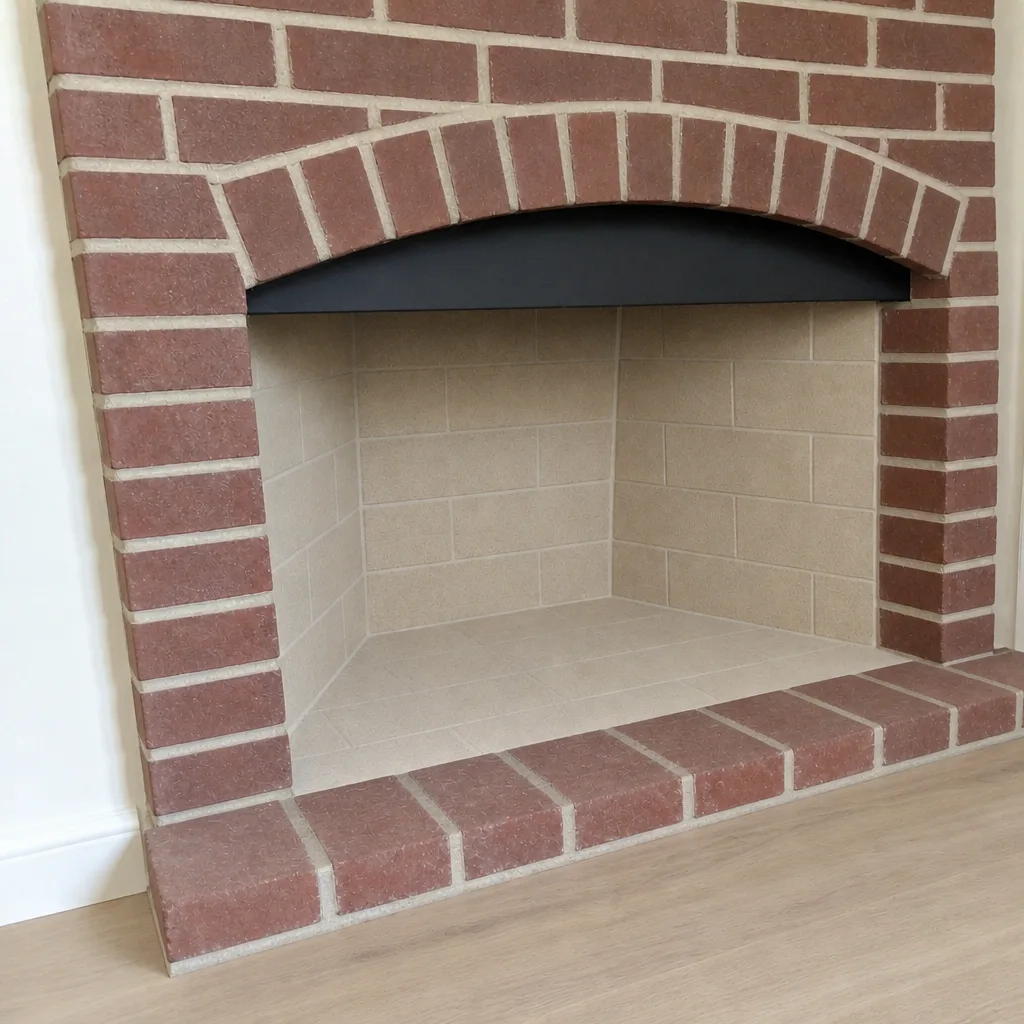
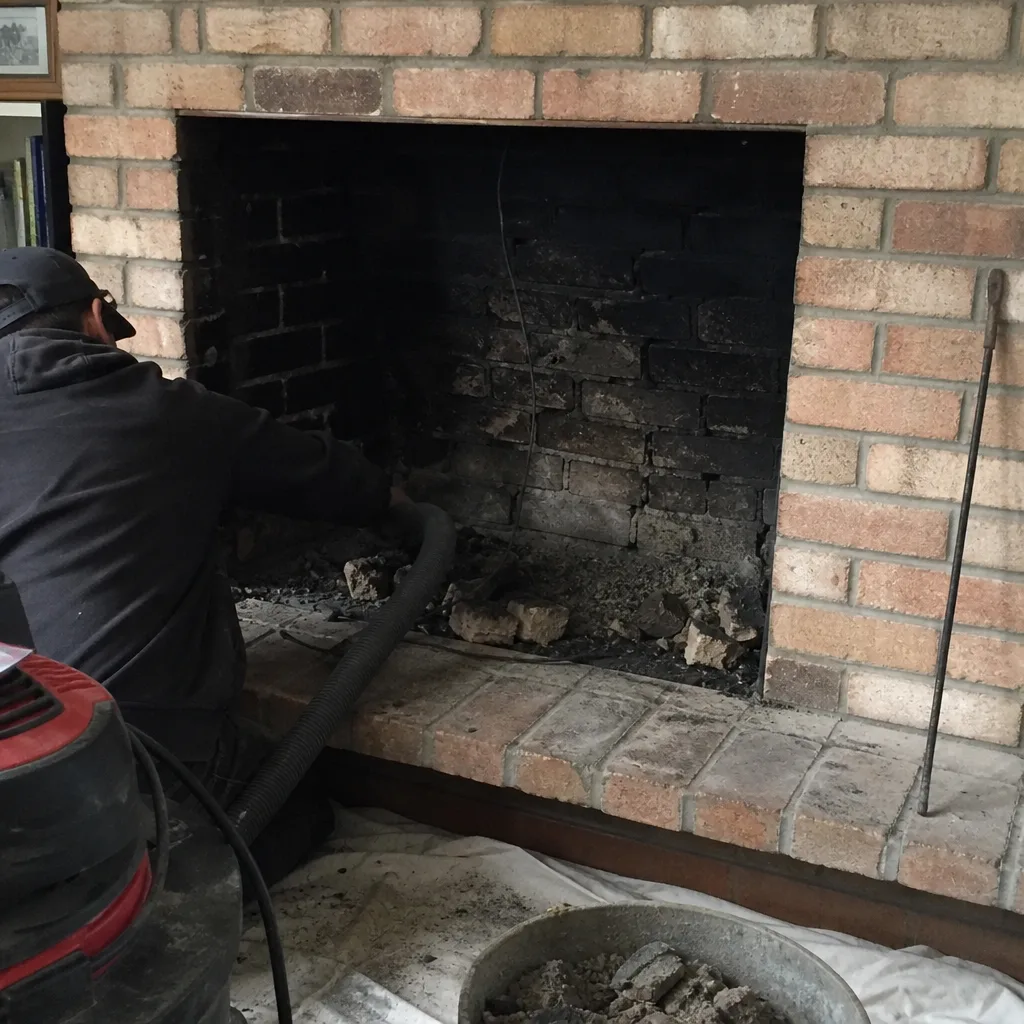
See the difference
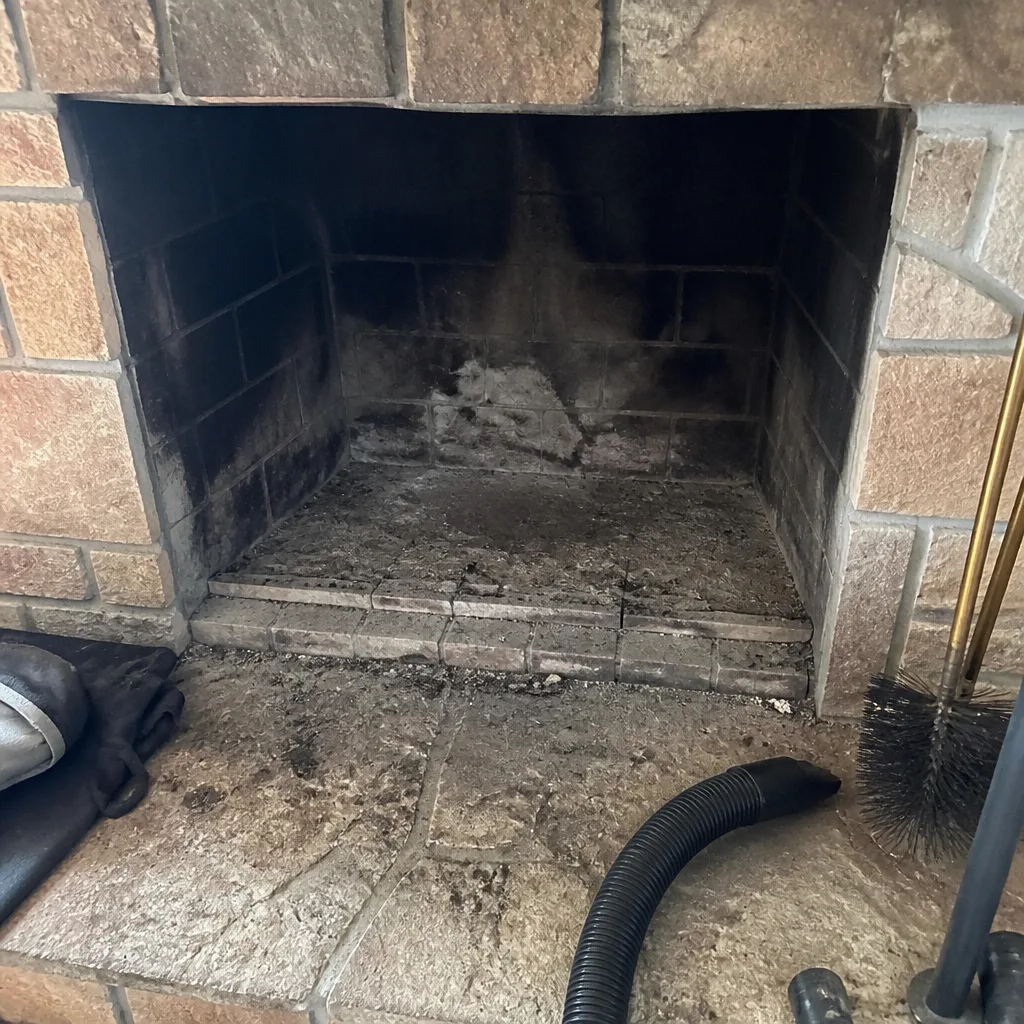 Before
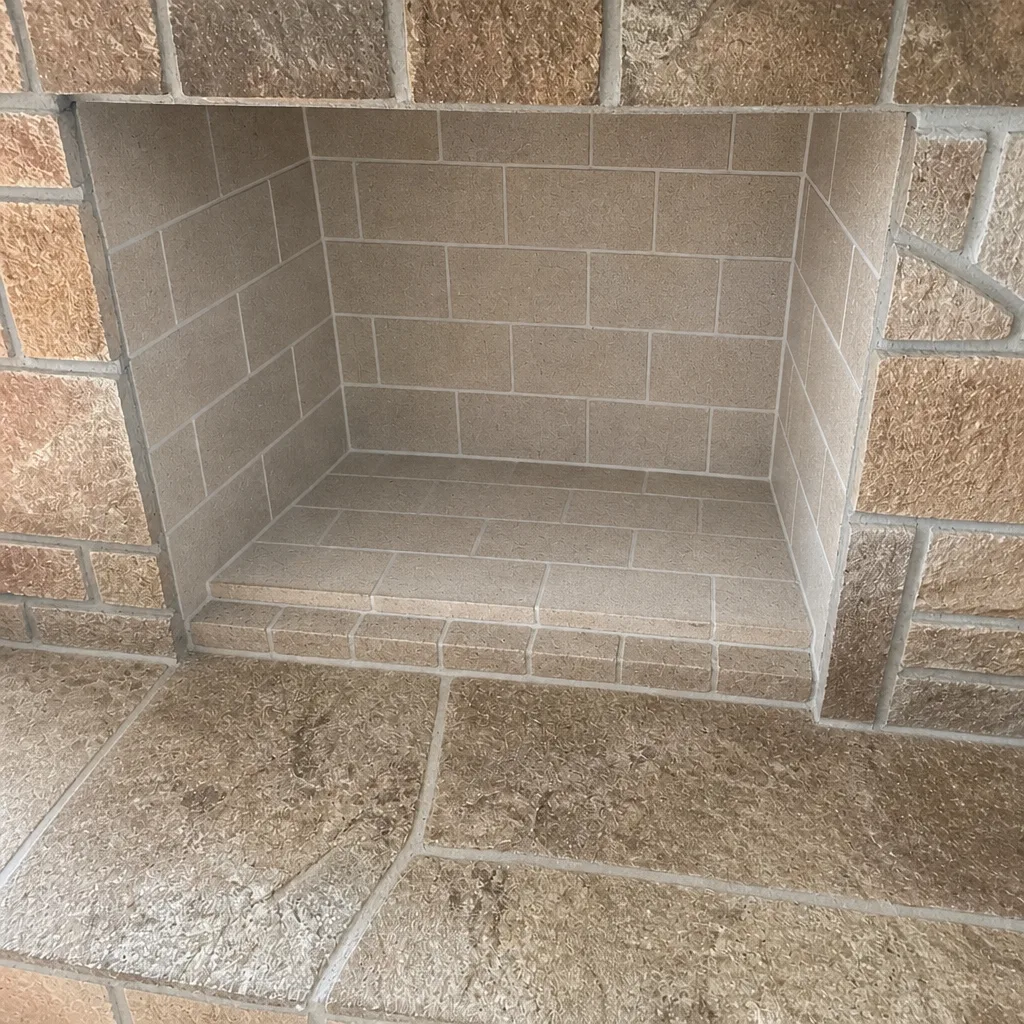 After
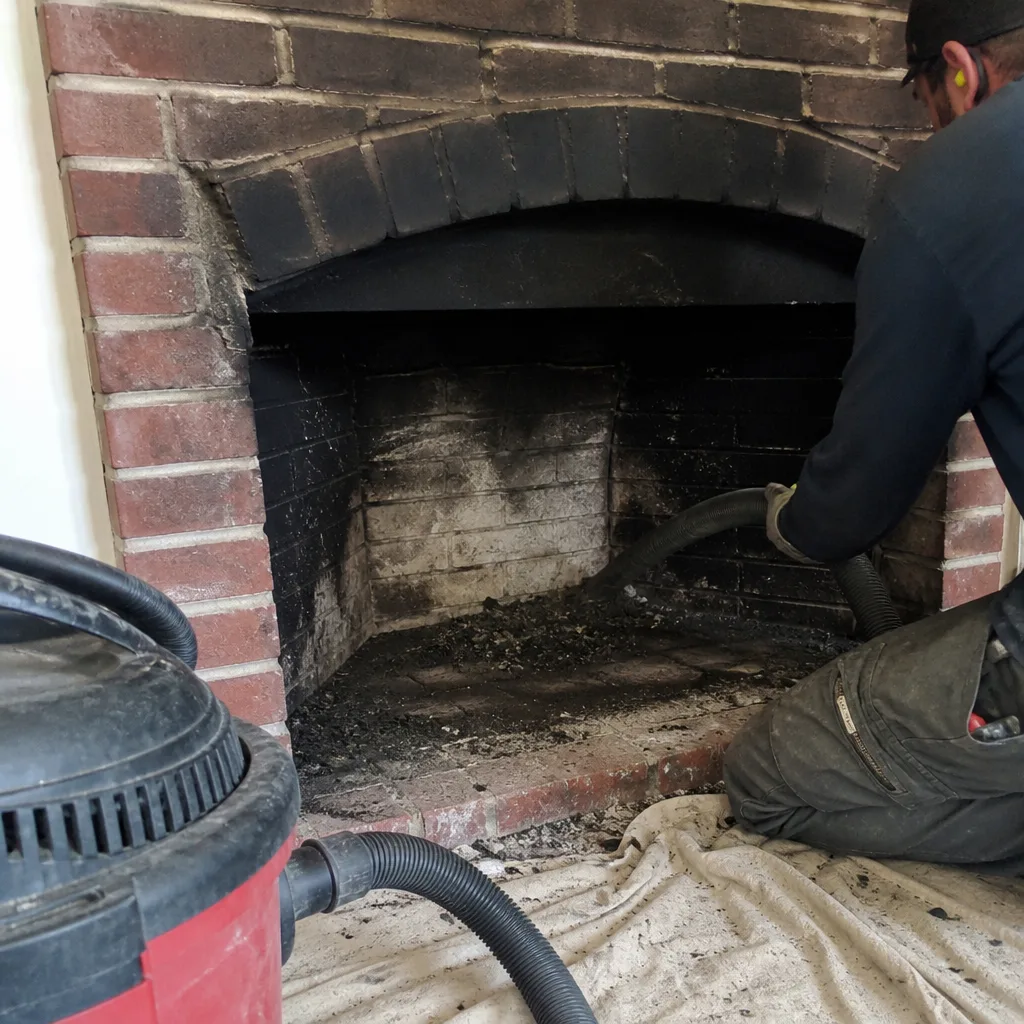 Before
 After
 Before
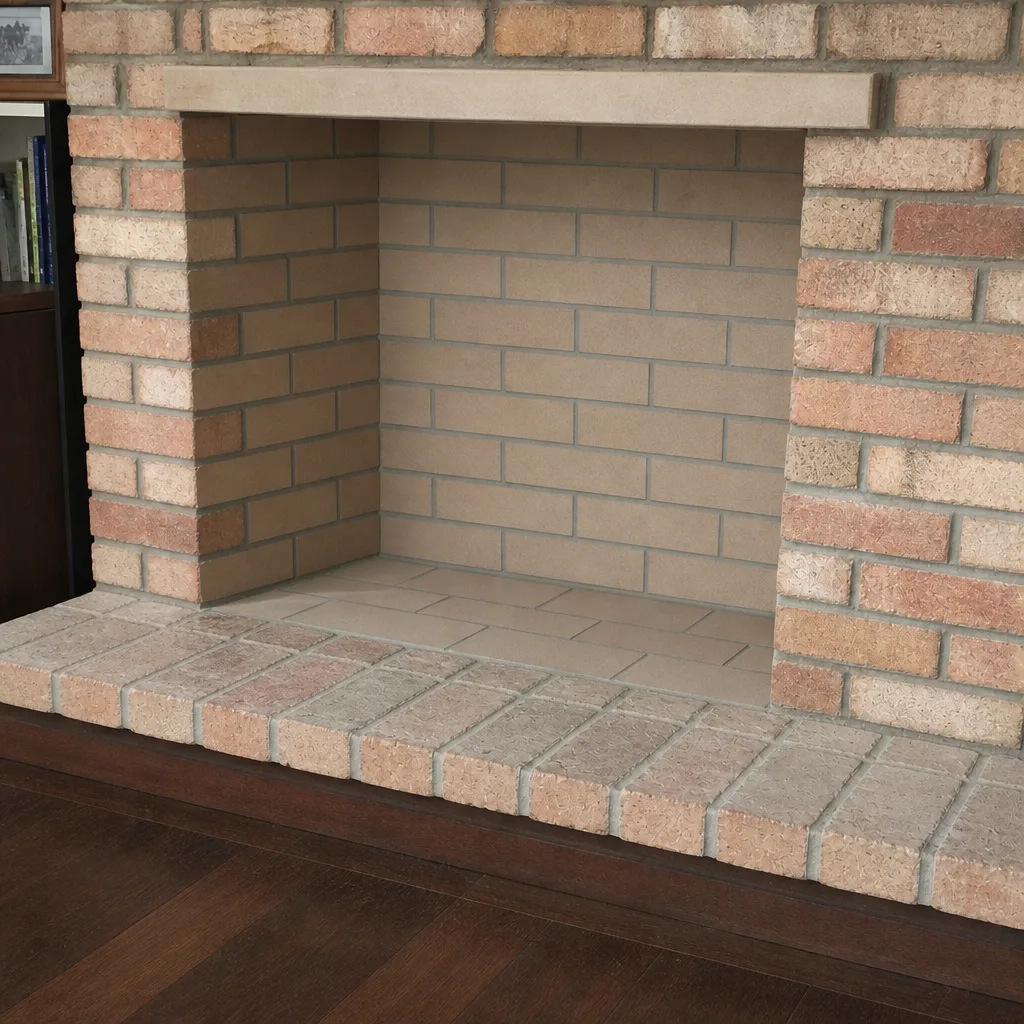 After
When to Call a Professional
Some chimney care is seasonal and routine. Some signs need a call now. Call us if you smell smoke in the house when the fireplace is cold, if smoke rolls into the room instead of going up, if you see cracked or crumbling masonry on the crown, if the cap is damaged or missing, or if a CO detector has ever alarmed. Call if your flue has never been inspected and you don’t know its condition. And call if you’re about to buy a home in Centennial with a fireplace and want the chimney checked before you close.
Centennial Chimney Sweep offers free estimates in Centennial and the surrounding area. Reach us at (855) 629-6492. We answer 24/7. Fast dispatch from 7am to 7pm, Sunday through Friday. The price is set per job by the written estimate, so you know what the work costs before it starts.
Frequently Asked Questions
Most wood-burning chimneys in Centennial should be swept once a year, and the ideal time is late September before the heating season. If you burn heavily, burn unseasoned wood, or use the fireplace most winter nights, you may need more frequent sweeps. A gas fireplace needs less creosote removal but still needs an annual inspection. Call (855) 629-6492 for a free estimate.
Skipping a year lets creosote build up inside the flue, and creosote is what burns in a chimney fire. It also means a developing crack in the liner, crown, or flashing goes unnoticed for a full year, which in a freeze-thaw climate is enough time for a small problem to become a structural one. Call (855) 629-6492 to book a sweep and inspection.
Chimney swifts are protected under the federal Migratory Bird Treaty Act, so you can’t legally remove an active nest, eggs, or chicks. If swifts nest in an uncapped flue, your flue may not be clear for sweeping until the young fledge and the nest is abandoned. The practical answer is to cap the flue in spring, before nesting season, with a manufacturer-grade cap and screen. Call (855) 629-6492 to schedule a cap inspection.
Yes. The crown sheds water away from the masonry, and a crack lets water in, especially during Centennial’s spring freeze-thaw cycle where that water expands and widens the crack each night. Left alone, it can lead to water infiltration into the masonry and attic. A crown repair in spring is far simpler than the structural work a neglected crack can require. Call (855) 629-6492 for a free estimate on crown repair.
Smoke rolling into the room during a cold snap can mean a few things: a cold flue that hasn’t warmed up yet, an obstruction like a partial nest or creosote blockage, or a house that’s been tightened up and is depressurizing the flue. If it happens consistently, get it inspected rather than working around it. Call (855) 629-6492 to book an inspection.
You only need liner work if the inspection shows a real defect, and you should be able to see that defect yourself in the camera footage and photo report. If a sweep can’t show you the evidence, don’t authorize the work. When repair is genuine, HeatShield resurfacing can restore a damaged liner in many cases without a full replacement. Call (855) 629-6492 for an inspection you can verify.
The Bottom Line
A Centennial chimney faces four distinct seasons of stress, and the care that matters most is timed to each one. Spring is for catching freeze-thaw damage to the crown and flashing before water gets in. Late spring is for capping the flue before swifts arrive. Summer is for dry-weather repairs and watching for nests. Late September is the optimal pre-season sweep and inspection, and it beats the October rush. Winter is for safe use and paying attention to draft. Year-round, the cap and screen take the hit from hail and UV and need checking. If you only book one appointment, make it the late-September sweep and inspection. Book with us at (855) 629-6492. We answer 24/7. Fast dispatch from 7am to 7pm, Sunday through Friday.
Written by the team at Centennial Chimney Sweep.