
Last updated November 23, 2026
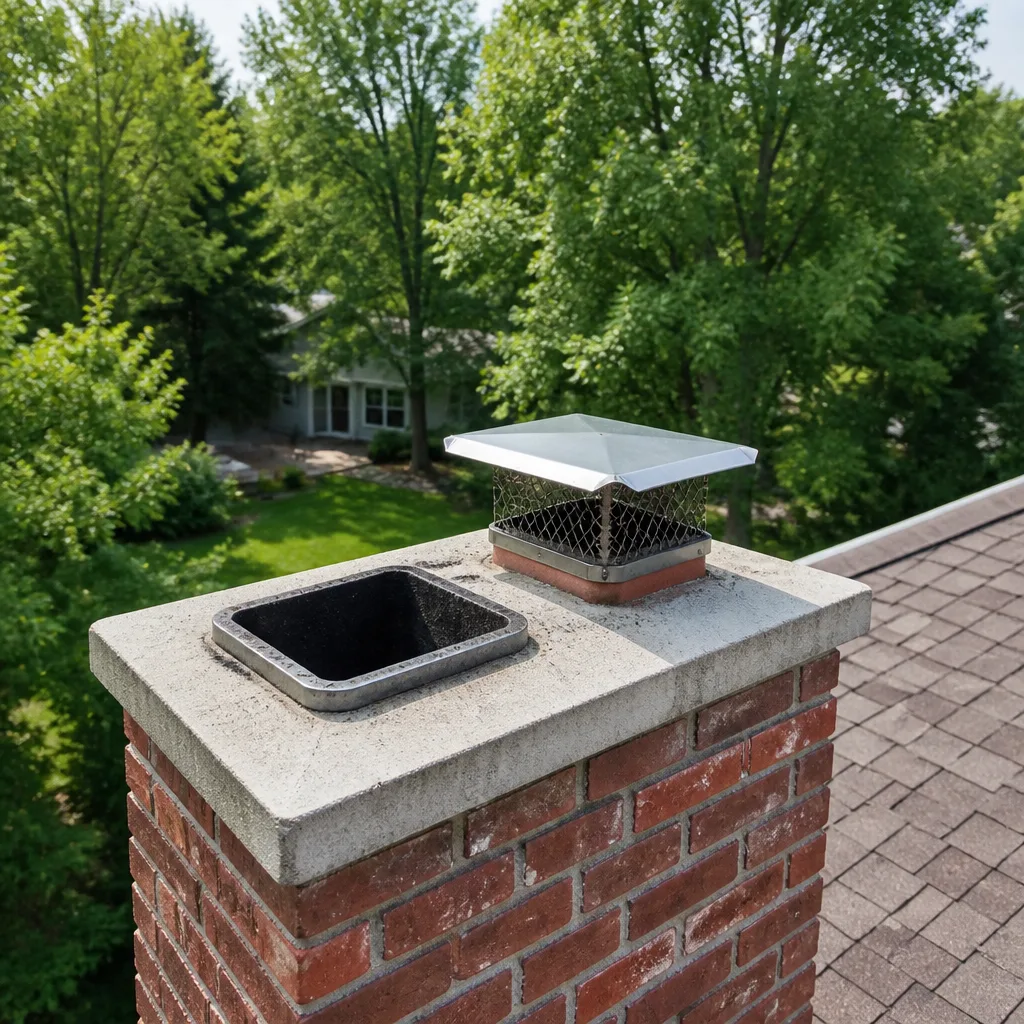 Sweep & inspection
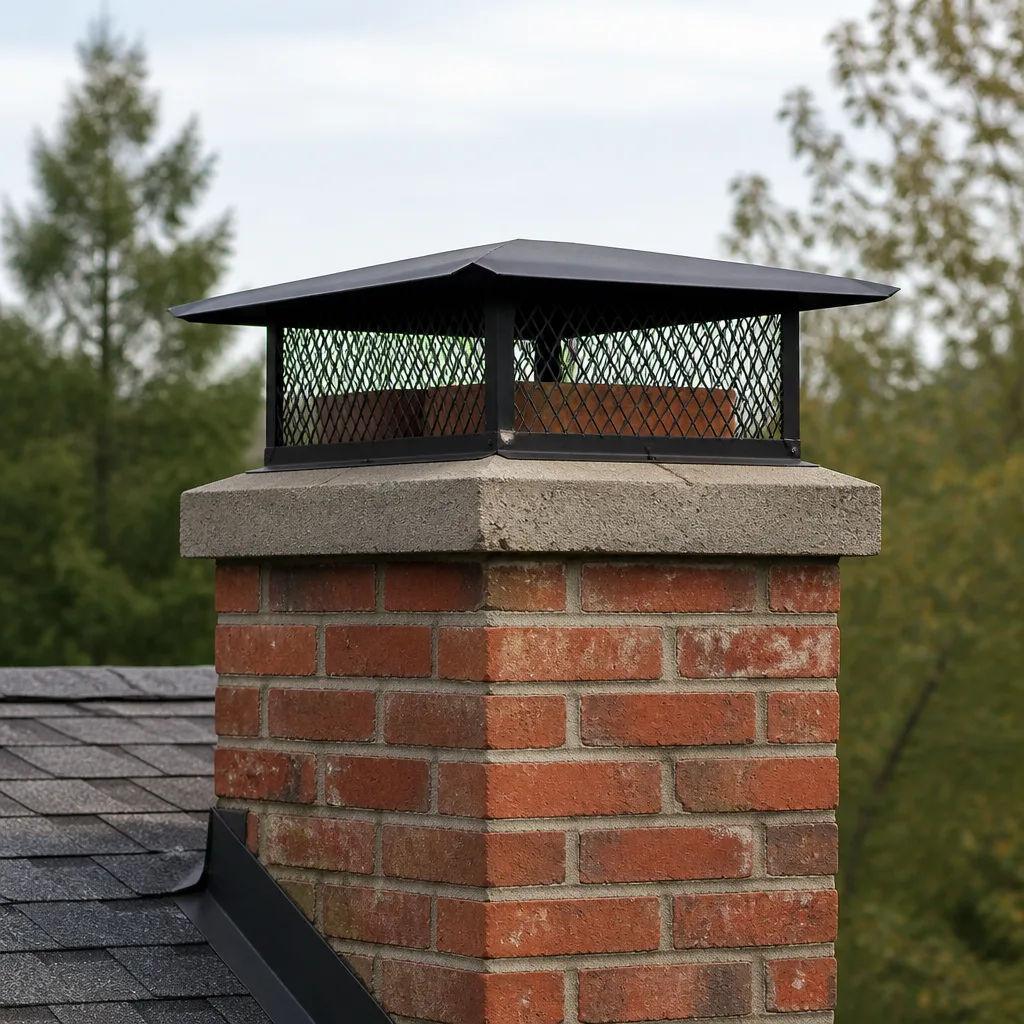 Caps & crowns
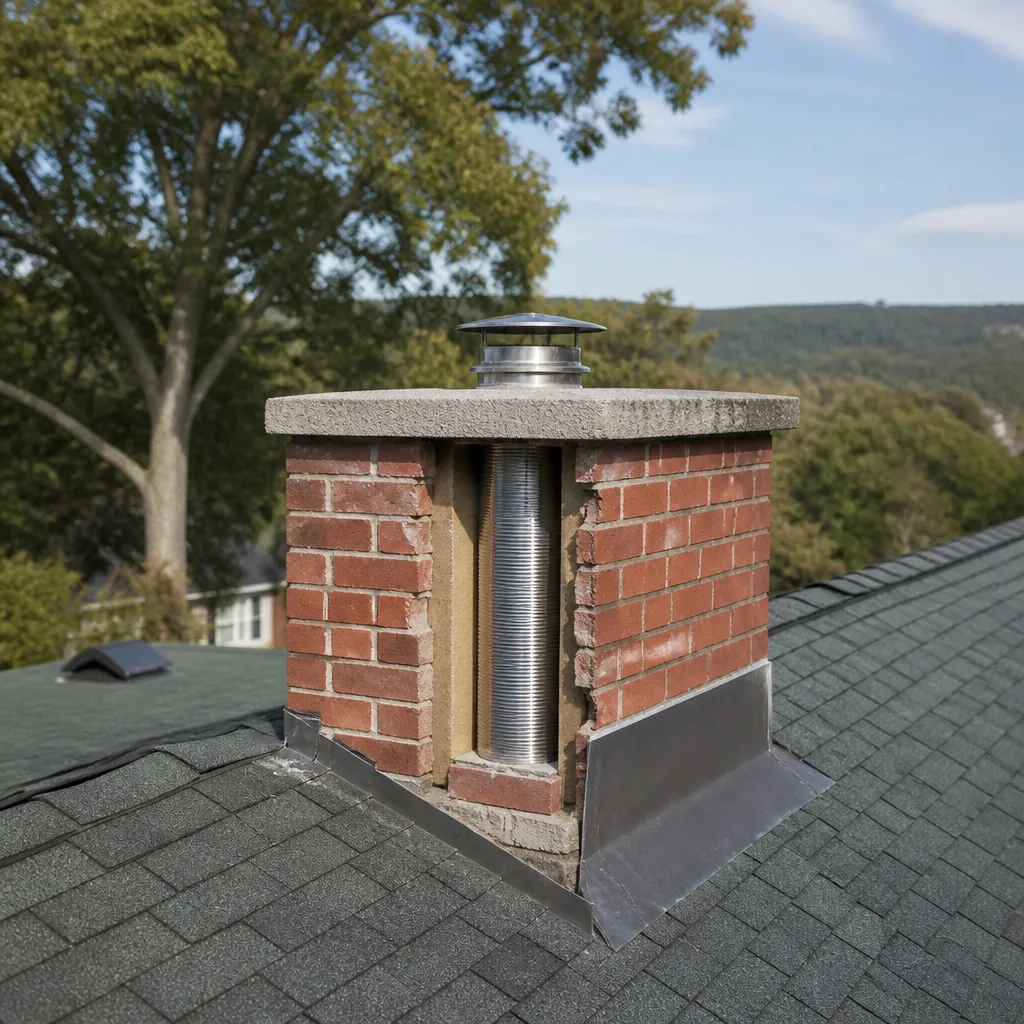 Flue relining
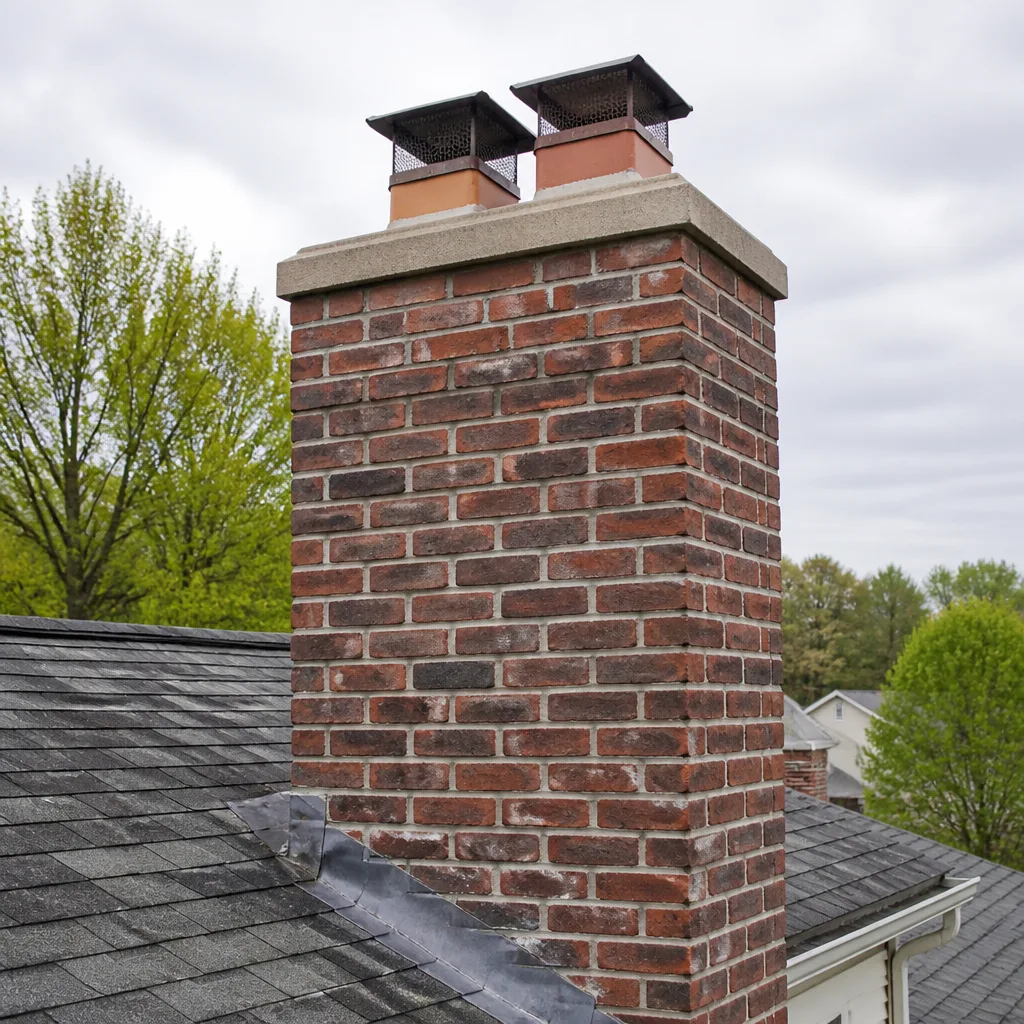 Masonry repair
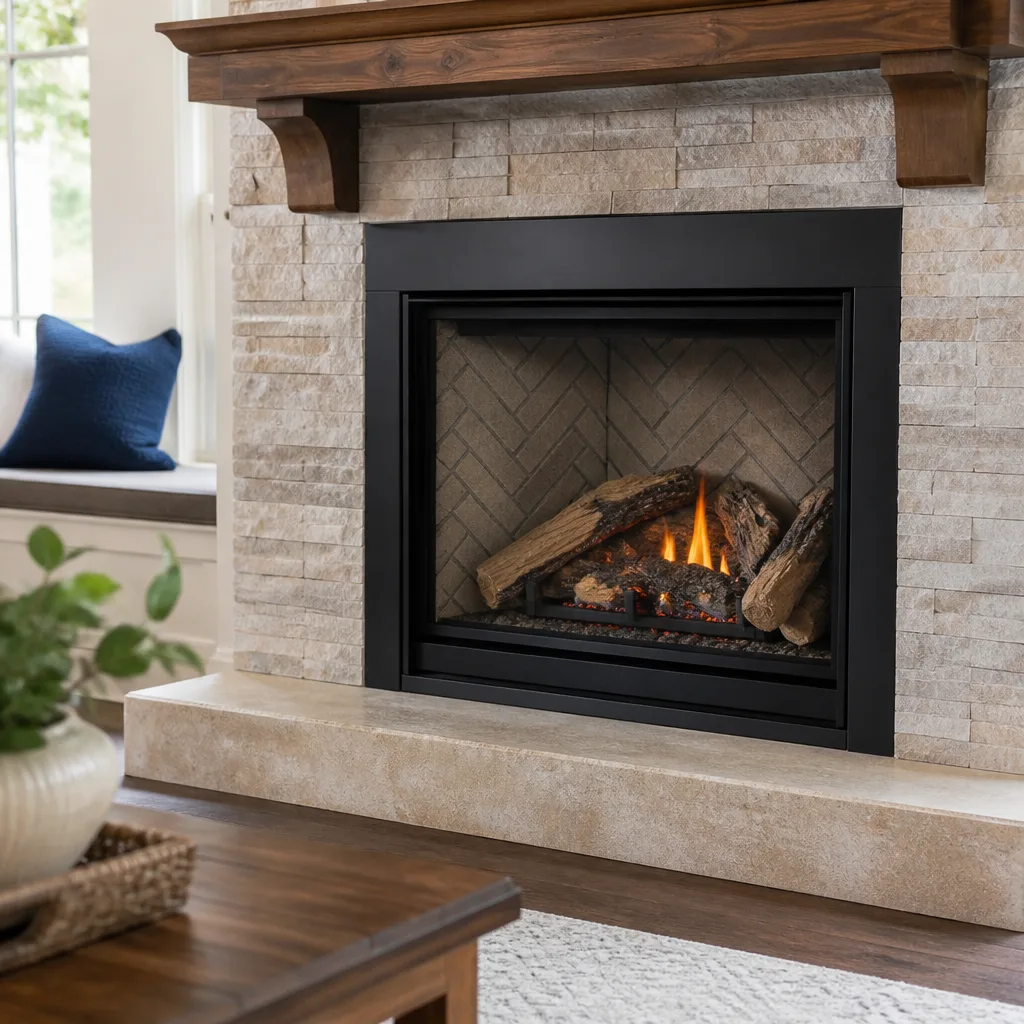 Gas fireplace service
Level 1 sweep and inspection to the NFPA 211 annual standard - flue, crown, cap, and flashing checked and photographed
Chimney sweep logs do not sweep chimneys. They loosen some creosote - which then falls where a brush and vacuum still have to collect it.
The Complete Guide to Chimney Cleaning in Centennial
Here’s a fact that surprises a lot of homeowners: a Level 1 inspection only covers what’s visible from inside the firebox. A cracked flue tile two-thirds up the liner can pass that inspection without ever being flagged. Most people assume a sweep means a clean flue and nothing more. In Centennial’s thin mountain air and hard freeze-thaw swings, the flue is only one part of a connected system, and a weak crown or a rough smoke chamber can undo a perfectly clean flue. This guide walks the whole system component by component, so you know exactly what a real cleaning covers, what a technician should inspect, and what commonly gets skipped.
Quick Answer
In Centennial, a complete chimney cleaning means brushing the flue, then inspecting the crown, cap, liner, smoke chamber, and firebox as one system because our freeze-thaw climate degrades all of them together. A proper service pairs the sweep with at least a Level 2 camera inspection and produces a written report with photos before the technician leaves. Getting only the flue brushed treats the symptom while the structural parts that keep the flue safe go unchecked.
Styles & brands we work with
- Sweep & inspection
- Caps & crowns
- Flue relining
- Masonry repair
- Gas fireplace service
Table of Contents
- Why Centennial’s Climate Changes How Your Chimney Ages
- Every Part of Your Chimney and How It Degrades Here
- Level 1, Level 2, and Level 3 Inspections: Which One You Actually Need
- What Creosote Stages Look Like and Why They Need Different Removal Methods
- The Smoke Chamber and Smoke Shelf: Where a Standard Sweep Misses Debris
- What a Complete Chimney Sweep Covers, Step by Step
- What Documentation a Legitimate Cleaning Should Produce
- When Repair Is Needed and Which Materials We Use
Why Centennial’s Climate Changes How Your Chimney Ages
Centennial sits at high altitude, and that single fact drives most of what we see when we inspect chimneys here. Wood burns differently in thin air. Moisture behaves differently around masonry. And the swing between warm afternoons and hard overnight freezes in spring and fall works on the chimney shell in a way that flat, humid climates never produce.
Altitude changes combustion. With less oxygen per cubic foot of air, a fire that isn’t given enough draft tends to smolder, and smoldering fires throw off more of the sticky, dense creosote that coats flue walls. That’s part of why creosote buildup can move faster in Centennial than the “once a year” rule of thumb suggests, especially for homeowners who damper a fire down overnight to stretch the wood. We inspect the full system, liner, crown, cap, firebox, and flue, before we recommend anything, because the way the fire burns tells us a lot about what the flue is holding.
Freeze-thaw is the other half of the story. Masonry is porous. When water soaks into a chimney crown or the mortar joints around it and then freezes, it expands, and when it thaws it leaves the masonry slightly looser and more cracked than before. Repeat that dozens of times through a Colorado spring and the damage compounds. A hairline crack in a crown in October can be a spalling, crumbling crown by April. This is why we treat the crown and cap as structural, not cosmetic. A clean chimney is a starting point. A safe chimney means the liner, crown, and cap are all sound, and in this climate they’re all being tested at the same time.
That’s the core reason a chimney in Centennial needs to be read as one connected unit rather than a pipe that gets brushed. If you want the full picture of how we approach a sweep on a specific home, our chimney sweep page goes deeper on that process.
Every Part of Your Chimney and How It Degrades Here
A chimney isn’t a single object. It’s a set of parts doing different jobs, and each one fails on its own schedule and in its own way in Centennial’s climate. Knowing the role of each part makes it much easier to follow what a technician is telling you and to spot when something is being skipped.
The Crown
The crown is the concrete or masonry cap at the very top that sheds water away from the flue and the chimney shell. It’s the part most exposed to freeze-thaw, and a cracked or crumbling crown is one of the most common defects we find in Centennial. When the crown fails, water gets into the chimney body. That water is what drives the interior damage that shows up later as loose flue tiles and crumbling mortar.
The Cap
The cap is the metal or mesh cover that sits on top of the flue to keep rain, animals, and debris out while letting exhaust escape. A missing or rusted-out cap lets water straight down the flue and gives birds and squirrels a way in. Caps are simple, cheap insurance, and their absence is one of the easiest things to spot and fix.
The Flue Liner
The liner is the passage the smoke travels through, and it’s what keeps heat and combustion gases away from the surrounding structure. Clay tile liners crack; metal liners can separate at joints or corrode. A cracked or gapped liner is the defect that most often turns a routine cleaning into a repair conversation, because a compromised liner lets heat and carbon monoxide reach places they shouldn’t.
The Smoke Chamber and Smoke Shelf
Above the firebox and behind the damper sits the smoke chamber, with the smoke shelf at its base. This is the transition zone that funnels smoke up into the flue. Its corbelled, stepped shape catches soot and creosote that a straight flue brush never reaches, which is why it deserves its own attention during a cleaning.
The Firebox and Damper
The firebox is where the fire lives, and the damper is the door above it that controls draft. Firebox brick and mortar take direct heat and crack over time, and a damper that no longer seals lets heat escape up the chimney when you’re not burning. If any of this needs attention, our fireplace repair service covers the firebox side of the system.
Level 1, Level 2, and Level 3 Inspections: Which One You Actually Need
Not every inspection is the same depth, and knowing the difference is the best defense against paying for a sweep that doesn’t actually tell you anything about your chimney’s condition. The industry recognizes three inspection levels, and which one you need depends on what’s happening with your chimney.
- Level 1 inspection. This is the basic look at readily accessible parts of the chimney and venting, done with the tools a technician already has on hand, usually from inside the firebox and at the top. It’s appropriate for a chimney that’s in known good condition and simply due for its routine cleaning. The catch is that a Level 1 only sees what’s visible, which means a defect partway up the liner can go unnoticed.
- Level 2 inspection. This adds a camera run through the flue, so the technician can actually see the full length of the liner, the smoke chamber, and the joints that aren’t visible from the firebox. A Level 2 is what you want whenever the home is changing hands, after a chimney fire, after any event that might have damaged the chimney, or whenever you’re installing a new appliance. In practice, for a Centennial home with a clay tile liner and a few freeze-thaw seasons behind it, a Level 2 is the inspection that actually answers the question “is my liner sound?”
- Level 3 inspection. This is the deepest level and involves accessing concealed parts of the chimney, which can mean removing and rebuilding portions of the chimney to get to areas that can’t be reached any other way. A Level 3 is reserved for specific situations, like a known or suspected serious defect that can’t be diagnosed any other way.
For most Centennial homeowners getting a routine cleaning, a Level 1 at minimum plus a camera look at the flue gives an honest picture. If we can’t see the full liner, we say so, and we recommend the level that would actually answer the question. When you book a sweep through Centennial Chimney Sweep, the inspection is part of the job, not an extra you have to remember to ask for.
What Creosote Stages Look Like and Why They Need Different Removal Methods
Creosote is the residue left behind by wood smoke, and it doesn’t come in one form. It builds up in recognizable stages, and the stage determines how it has to be removed. Brushing works on one stage and does almost nothing to another, which is why a sweep that only brushes can leave dangerous deposits behind and call the job done.
- Stage 1 creosote is light, flaky, and sooty. It looks like a dusting of dark powder or thin flakes on the flue walls. A standard flue brush removes this easily, and it’s the stage most flues are in when they’re cleaned on a sensible schedule.
- Stage 2 creosote is thicker, stickier, and often shiny or tar-like. It clings to the flue and doesn’t brush off cleanly. Removing it takes more than a brush pass. This is the stage where specialized tools and sometimes chemical treatment come in, and it’s the stage where a lot of buildup becomes a fire risk because it’s both dense and combustible.
- Stage 3 creosote is a hard, glazed, glassy coating that’s essentially baked onto the flue wall. A brush will skate right over it. Stage 3 has to be removed by methods designed to break down that glaze, and in severe cases the liner itself has to be evaluated for whether it can be salvaged or needs replacement.
Altitude makes this more relevant in Centennial, because the smoldering, oxygen-starved fires that thin air can produce are exactly the kind that lay down dense, higher-stage creosote. In our experience, a flue that looks like a one-brush job from the firebox can be holding Stage 2 deposits higher up, which is one more reason we run a camera before we declare a chimney clean. If the deposit is severe enough to compromise the liner, resurfacing or relining may be the honest recommendation, and we’d rather show you the evidence than sell you a repair you can’t verify.
The Smoke Chamber and Smoke Shelf: Where a Standard Sweep Misses Debris
Ask anyone who’s had a “quick sweep” and then watched smoke roll into the room afterward, and you’ll often find the smoke chamber was the part that got skipped. It sits above the firebox and behind the damper, a stepped, corbelled space that funnels smoke up into the flue. Because it’s shaped like a funnel with ledges, it catches soot, creosote, and debris that a straight brush going up the flue simply passes by.
The smoke shelf at the base of the chamber is the flat ledge where heavy debris collects. Over a season, this area can hold a surprising volume of soot, and because it’s tucked behind the damper, it’s invisible without getting in there and looking. A cleaning that covers only the flue leaves this buildup in place, and it can contribute to poor draft and a smoky fireplace long after the flue itself is technically clean.
When we clean a chimney in Centennial, the smoke chamber and shelf get their own pass. They’re scrubbed as part of the job, not left as a bonus for a future visit. If the chamber’s corbelling is rough or damaged, that’s also something we flag, because a rough smoke chamber slows smoke on its way up and can make a fireplace smoke even when the flue is clear. Walking the full system in this order, firebox, smoke chamber, flue, crown and cap, is how you catch the parts a flue-only sweep never touches. And if the top end needs attention, our chimney cap & crown work picks up exactly where the cleaning leaves off.
What a Complete Chimney Sweep Covers, Step by Step
A complete cleaning follows a sequence. Knowing the sequence tells you what to expect, what to ask about, and what a shortcut looks like. Here’s how a full-system sweep should go.
- Protect the room. Drop cloths and a proper setup around the firebox keep soot out of the living space. This is the first sign of a crew that respects the home, not an afterthought.
- Check the firebox and damper. The technician looks at firebox brick, mortar, and the damper before brushing, because the condition of these parts tells them what to expect above.
- Clean the smoke chamber and smoke shelf. The ledges behind the damper get scrubbed so collected debris doesn’t rain back down after the flue is done.
- Brush the flue. The flue is swept with the right brush for the liner type, working from the firebox and the top, with a camera check to confirm the deposit level along the full length.
- Inspect the crown, cap, and flashing at the top. The top of the chimney is where Centennial’s freeze-thaw damage shows up first, so this isn’t a glance from the ground. It’s a real look at the crown, cap, and the joints around them.
- Run the camera and document what’s found. Photos of the flue interior, the smoke chamber, and the crown give you a record of the condition at the time of cleaning, not a verbal impression.
- Review findings with you and put the report in writing. Anything that needs attention gets explained with the evidence in front of you, and anything that can safely wait gets said plainly too.
One call covers the sweep, the inspection, and any repair your chimney actually needs. We don’t hand you a list and send you looking for a second contractor, because sweeping, inspection, cap and crown work, and chimney repair are all part of the same system and the same visit.
What Documentation a Legitimate Cleaning Should Produce
A cleaning you can’t verify is a cleaning you have to take on faith. Before the technician leaves, you should be holding documentation of what was found, and it should be specific enough that you could show it to anyone and understand the condition of your chimney at the time of service.
- Photos of the flue interior. A camera image of the liner along its length shows you the actual condition, including any cracking, gaps, or high-stage creosote, rather than a description of it.
- Photos of the crown and cap. The top of the chimney is where the freeze-thaw story gets told in Centennial. A photo of the crown and cap lets you see cracks and missing pieces for yourself.
- A written report of findings. What was inspected, what was found, and what each finding means. This is the difference between a professional assessment and a verbal “you’re all set.”
- A clear recommendation with evidence attached. If a liner repair is being suggested, the camera image that justifies it should be right there. Nothing gets recommended without camera evidence you can see for yourself, and we’ll tell you plainly when work can safely wait.
- The scope of what was actually cleaned. Flue, smoke chamber, firebox, and the top-end components should all be accounted for, so you know nothing was quietly skipped.
That documentation is also what makes the next conversation honest. If a different technician or contractor later tells you the liner is failing, you have a baseline with photos and dates to compare against. In our experience, homeowners who keep their reports are the ones who never get talked into work they didn’t need.
When Repair Is Needed and Which Materials We Use
Some findings during a cleaning are minor and can wait. Others are the kind that shouldn’t. The dividing line is evidence: if the camera shows a cracked or gapped liner, a crumbling crown, or a missing cap, that’s an observable defect, and we can show you the photo. If it doesn’t, we won’t invent a reason to repair.
When repair is warranted, the materials matter as much as the diagnosis, and we work with professional chimney-industry brands rather than whatever’s on a hardware store shelf. For liner issues, we use HeatShield, the industry’s leading chimney resurfacing system, a product most competitors aren’t trained or stocked to apply. HeatShield lets us resurface and repair a failing liner in many cases rather than defaulting to a full reline, which is a real difference in both outcome and scope. When a liner does need replacement, DuraFlex liner systems installed correctly address both performance and code compliance in a single visit, rather than patching one problem and leaving the next one to surface.
For cap and crown work we use manufacturer-grade components, including products from Olympia Chimney and Gelco, and our chimney repair work draws on Famco and Copperfield where the job calls for them. These are the kinds of products chimney professionals rely on, and we stock and train on them so the fix we recommend is the fix we’re equipped to perform. The guiding idea behind the name Centennial is durability that outlasts the job: a crown done right shouldn’t be the thing you’re redoing next season.
Common Mistakes to Avoid
- Treating the sweep as a flue-only job. If the crown, cap, smoke chamber, and firebox aren’t inspected, you’ve cleaned one part of a connected system and skipped the rest. In Centennial’s freeze-thaw climate, the parts that get skipped are often the ones already starting to fail.
- Relying on a Level 1 inspection when the liner’s condition is unknown. A Level 1 only sees what’s visible from the firebox. If you’ve never had a camera look at the full length of the liner, you don’t actually know whether it’s sound.
- Assuming a brush removed the creosote when it didn’t. Stage 2 and Stage 3 creosote need more than a brush pass. A sweep that calls it done after brushing a glazed liner has left the dangerous deposit in place.
- Skipping the smoke chamber. The corbelled chamber behind the damper collects debris a flue brush never reaches. If it isn’t cleaned, draft problems and smoky fires can persist after a “clean” sweep.
- Putting off a cracked crown because it’s out of sight. Freeze-thaw turns a hairline crown crack into water intrusion and interior damage. The crown is one of the cheapest things to fix early and one of the more expensive to ignore.
- Accepting a cleaning with no documentation. No photos and no written report means no way to verify what was found. A legitimate service leaves you with a record you can actually look at.
- Burning damp or green wood to “get through” a cold snap. Wet wood burns cooler and smolders more, which lays down denser creosote faster. In thin Centennial air, that’s a bad combination for your liner.
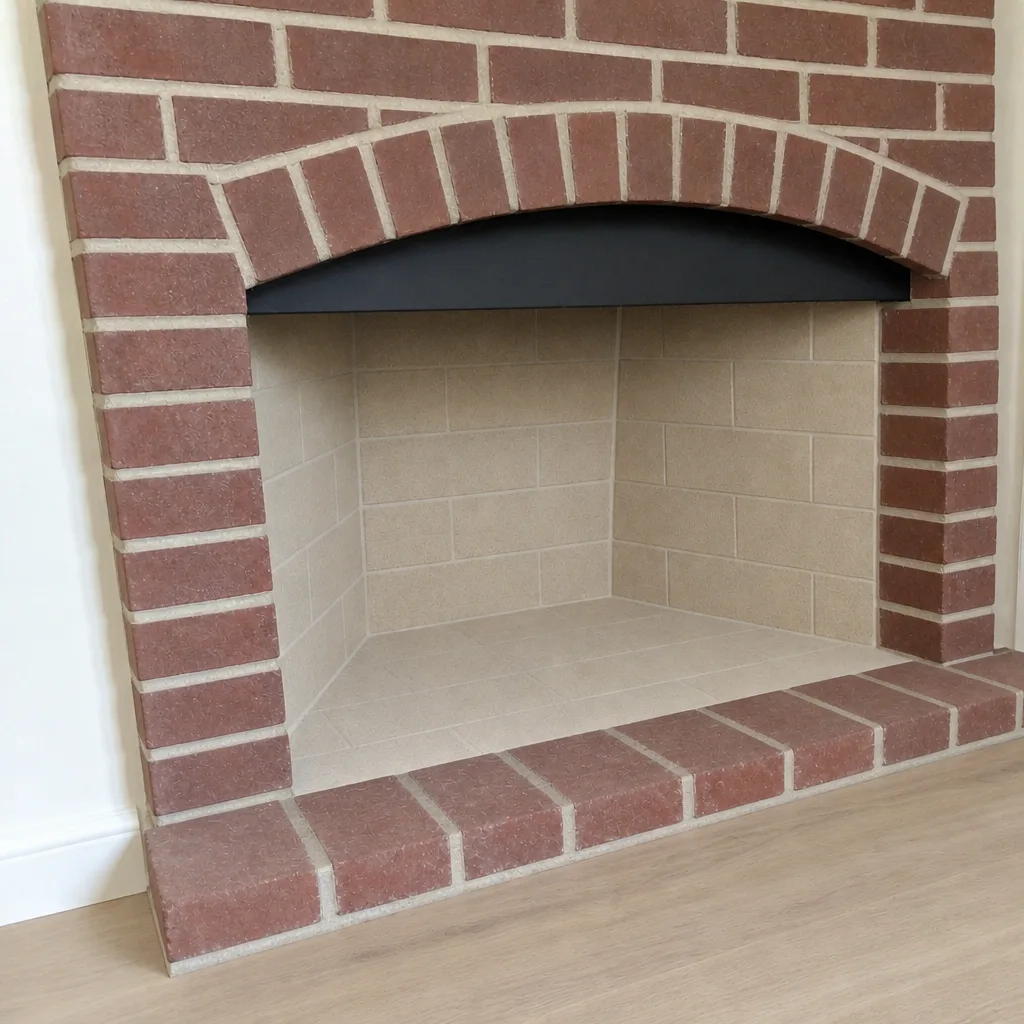
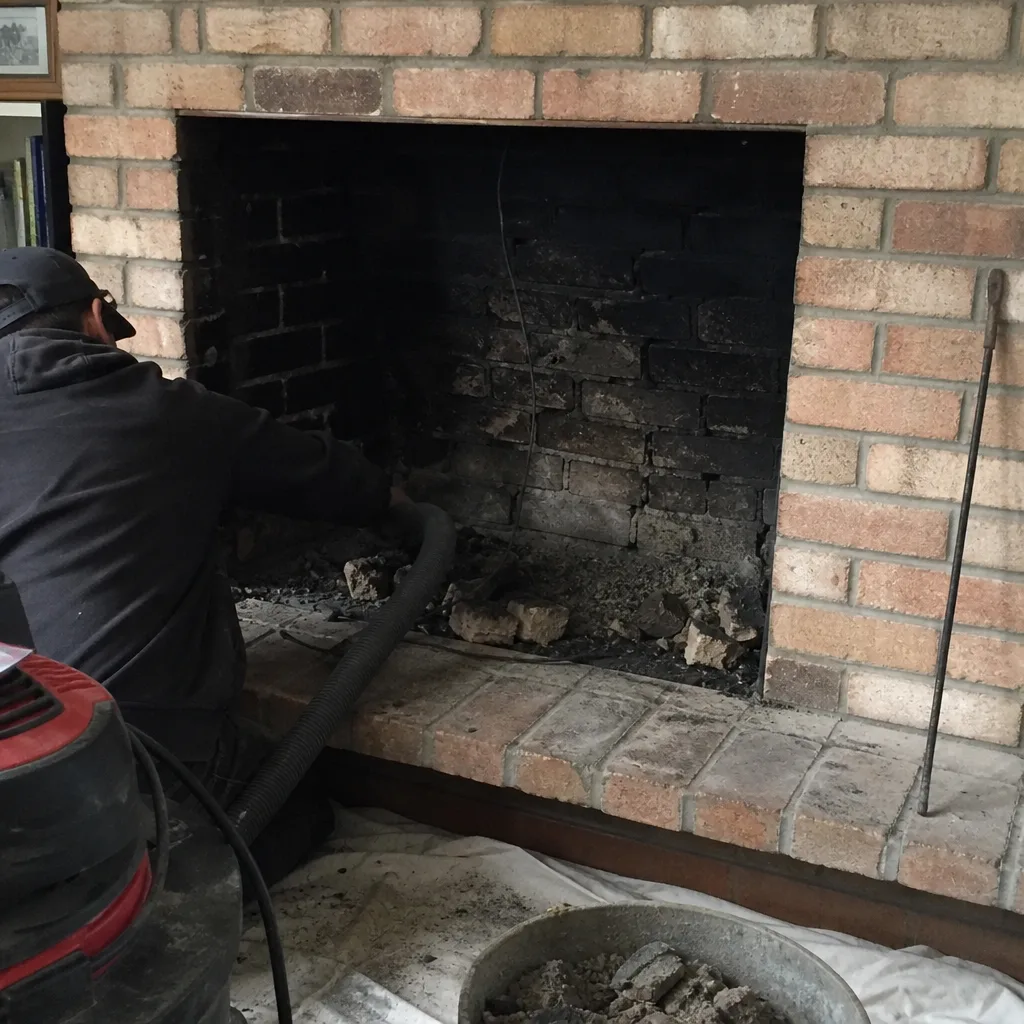
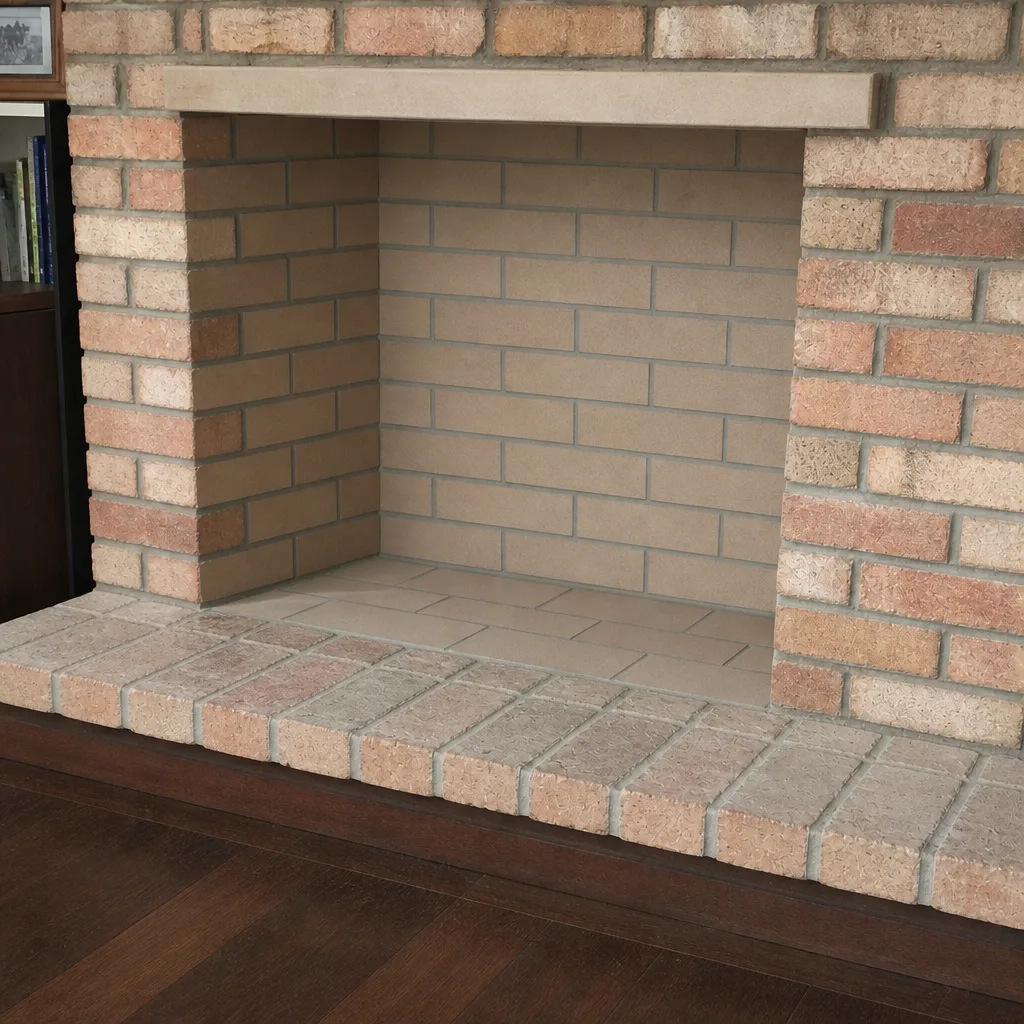
See the difference
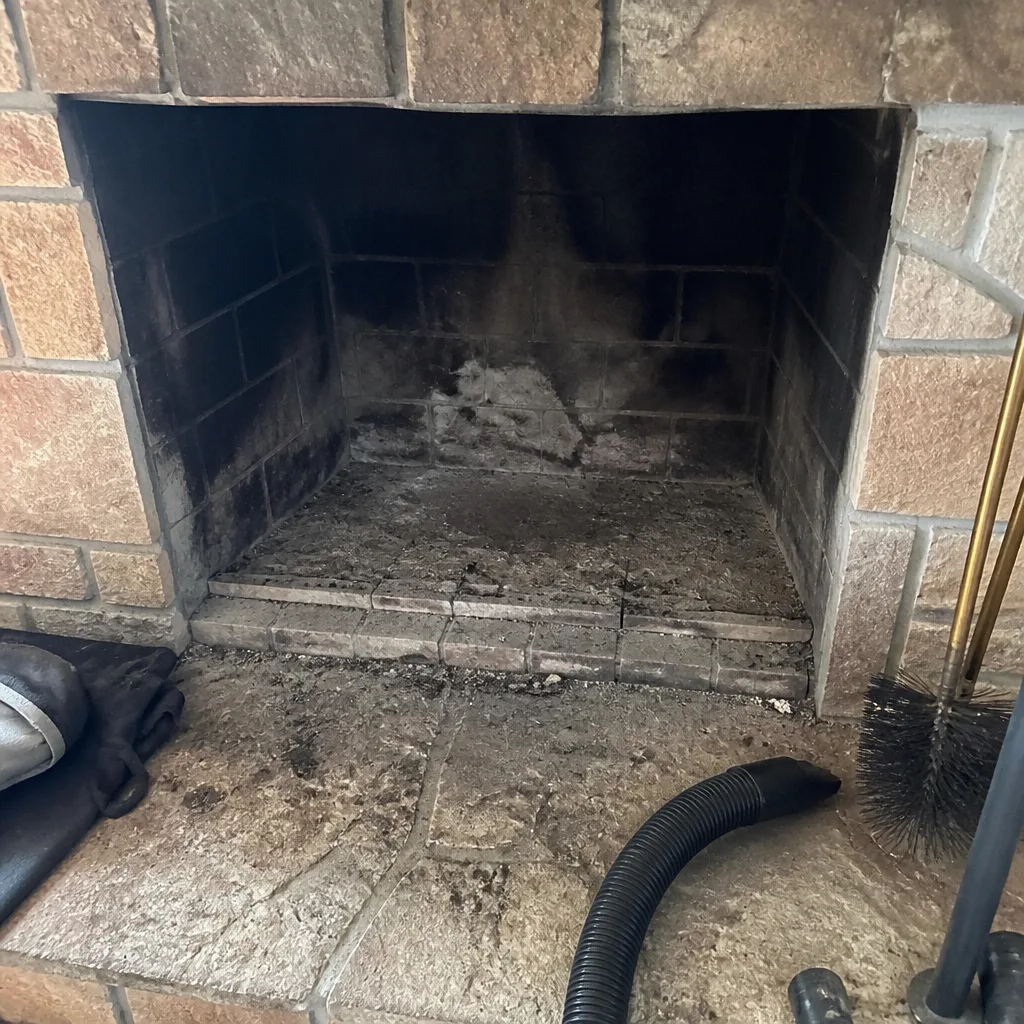 Before
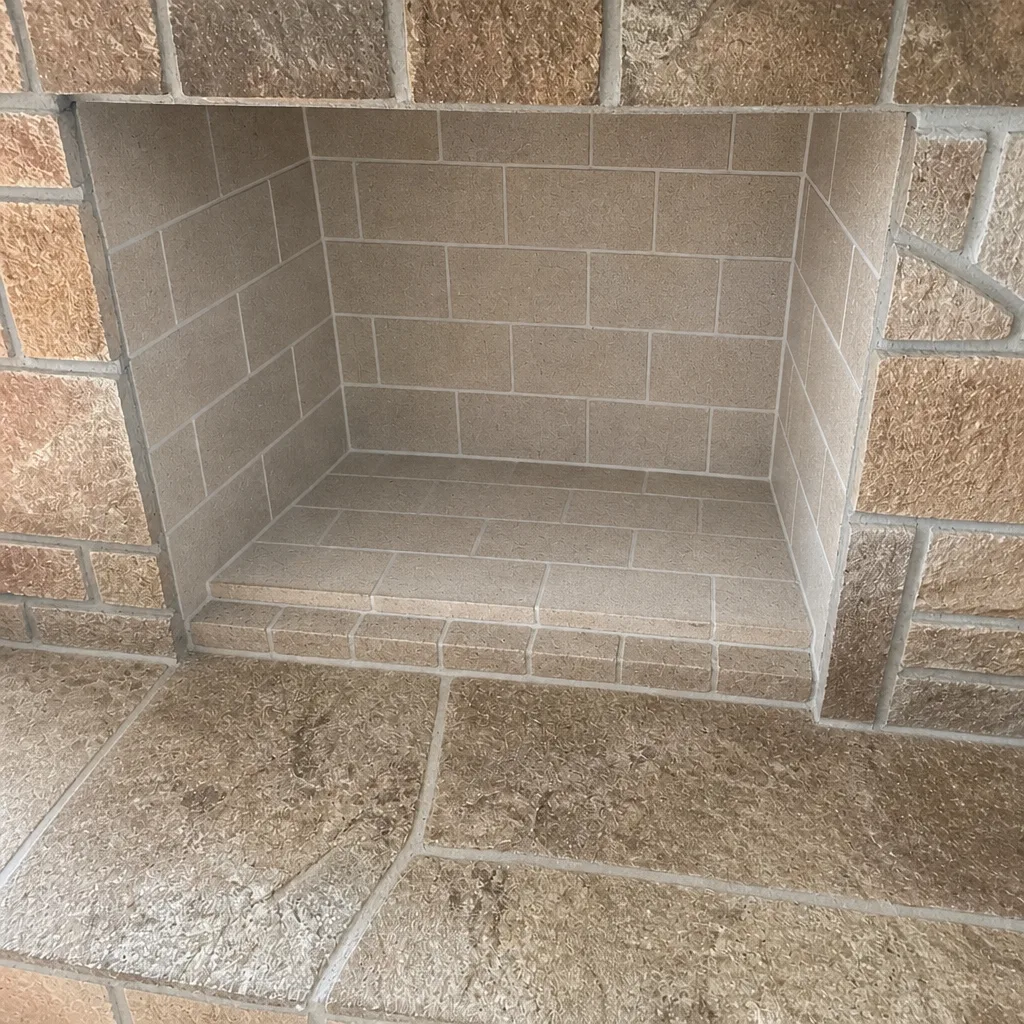 After
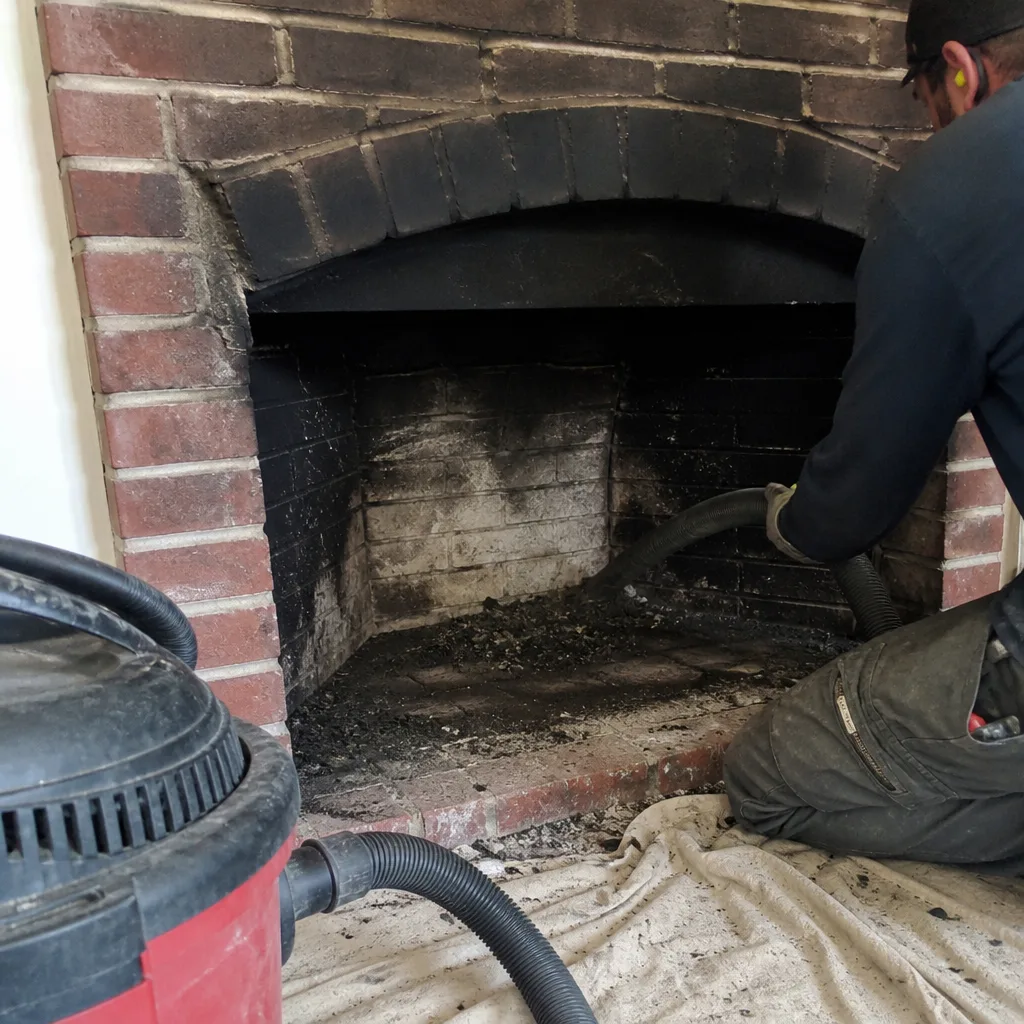 Before
 After
 Before
 After
When to Call a Professional
Some conditions call for a technician rather than a wait-and-see approach. You should have a professional look at your chimney if smoke rolls back into the room when you burn, if you smell a strong creosote odor that gets worse in warm weather, if you’ve had a chimney fire even if it seemed to go out on its own, or if it’s simply been long enough since the last cleaning that you can’t remember when it was. Schedule an inspection before the heating season starts so any repair is done on your terms, not in the middle of a cold snap. A failing liner, a crumbling crown, and a missing cap are all hazards that get worse with another season of use, and none of them are visible from where you sit.
If you’re unsure whether your chimney can wait, that’s exactly the question an inspection answers. Centennial Chimney Sweep offers free estimates in Centennial. Call (855) 629-6492.
Frequently Asked Questions
Because pricing is set per job by a written estimate, the honest answer is that it depends on what your chimney actually needs: a straightforward sweep and inspection is a different scope than a sweep that uncovers a liner issue or a crown repair. We give you a flat price from that written estimate before any work begins, and the estimate itself is free. Call (855) 629-6492 for an exact quote, and estimates are free.
Only if the evidence says so, and you should always be able to see that evidence for yourself. A liner needs attention when the camera shows cracking, gaps, or separation that lets heat and carbon monoxide reach the structure. In many cases a failing liner can be resurfaced with HeatShield rather than fully replaced, so the recommendation depends on the actual condition, not a default answer. Nothing gets recommended without camera evidence, and we’ll tell you plainly if the work can safely wait. Call (855) 629-6492 to book an inspection.
It depends on how much you burn and what you burn, so the annual-rule-of-thumb answer isn’t reliable for everyone. If you heat with wood regularly, or you notice a heavy deposit, a strong creosote smell, or draft problems, it’s time for a cleaning and inspection regardless of the calendar. In Centennial, altitude-driven smoldering can build denser creosote faster, which is a reason to check the flue rather than assume it can wait another year. Call (855) 629-6492 and we’ll help you figure out where your chimney stands.
Creosote is combustible, and a thick enough buildup is a chimney fire risk, while a cracked liner can let carbon monoxide into the home. Those are the two hazards a neglected chimney builds toward, and neither one is visible from the firebox. Skipping a cleaning doesn’t create the hazard on its own; it lets existing creosote and existing damage keep growing unnoticed. Call (855) 629-6492 for an inspection so you know what’s actually going on in your flue.
Yes, in two specific ways: thin air at altitude can cause fires to smolder and lay down denser creosote, and the freeze-thaw cycle works on the crown and masonry shell every spring and fall. That’s why we inspect the crown, cap, liner, smoke chamber, and firebox as one connected system rather than just brushing the flue. Call (855) 629-6492 to schedule a full-system inspection.
You should, and with us you will: photos of the flue interior, the crown, and the cap, plus a written report of what was inspected and what was found, before the technician leaves. If a repair is being recommended, the camera image that justifies it should be right there for you to see. Call (855) 629-6492 to book a cleaning with documentation included.
The Bottom Line
A chimney in Centennial is a connected system, not an isolated pipe, and the parts that fail first here are the ones a flue-only sweep never touches. Thin-altitude fires build denser creosote, freeze-thaw works the crown and shell every season, and the smoke chamber quietly collects what a brush can’t reach. A complete cleaning means flue, smoke chamber, firebox, crown, cap, and a camera inspection that tells you the truth about the liner. Insist on documentation with photos and a written report, ask which inspection level you actually got, and remember that a repair recommendation should always come with evidence you can see. That’s the standard worth paying for.
Call (855) 629-6492 for a free estimate. We answer 24/7. Fast dispatch from 7am to 7pm, Sunday through Friday.
Written by the team at Centennial Chimney Sweep.