
Last updated November 23, 2026
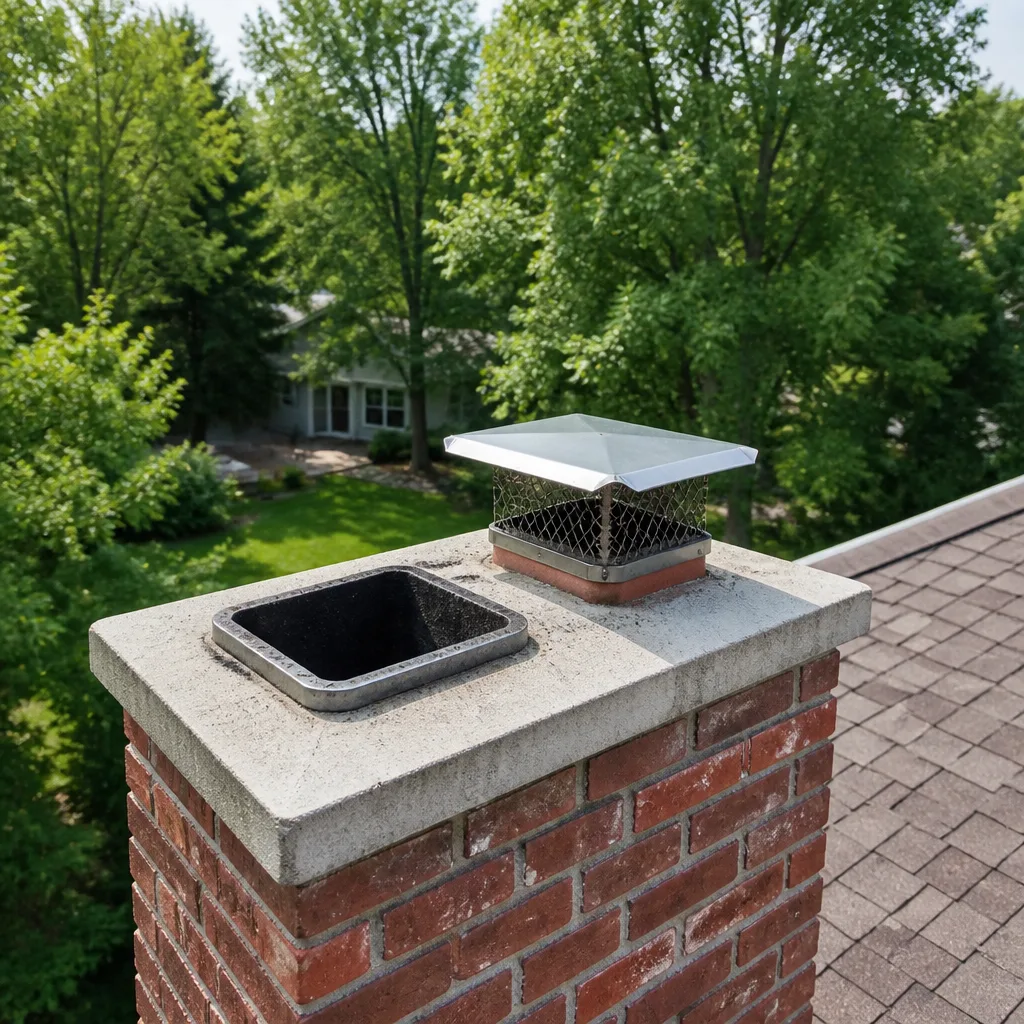 Sweep & inspection
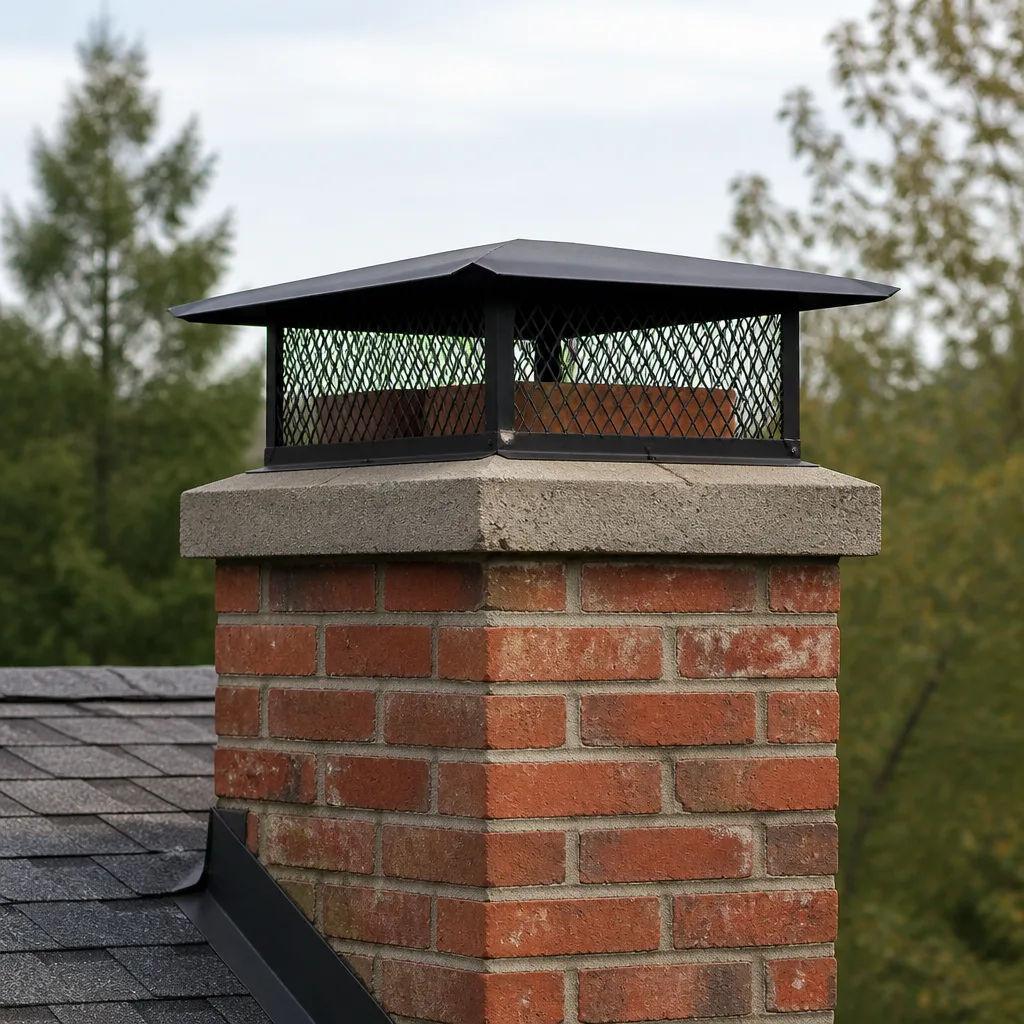 Caps & crowns
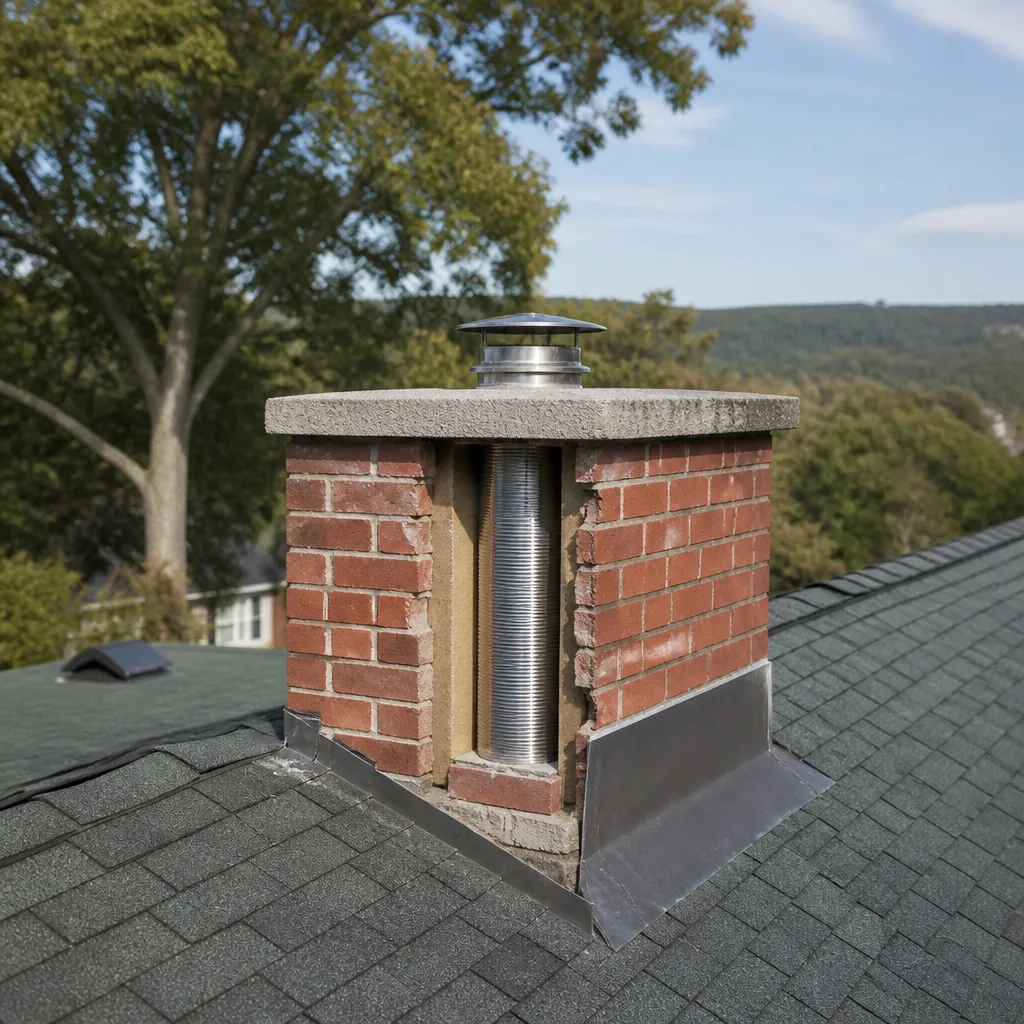 Flue relining
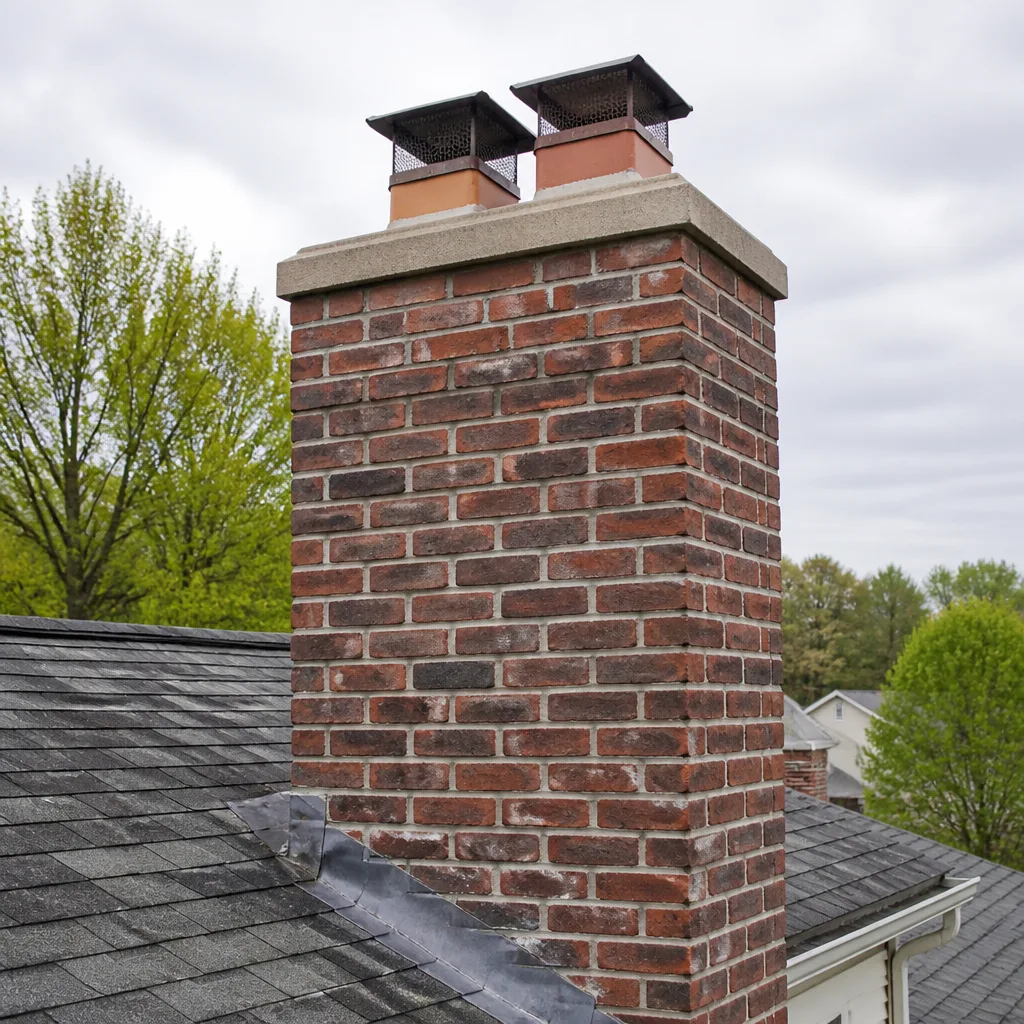 Masonry repair
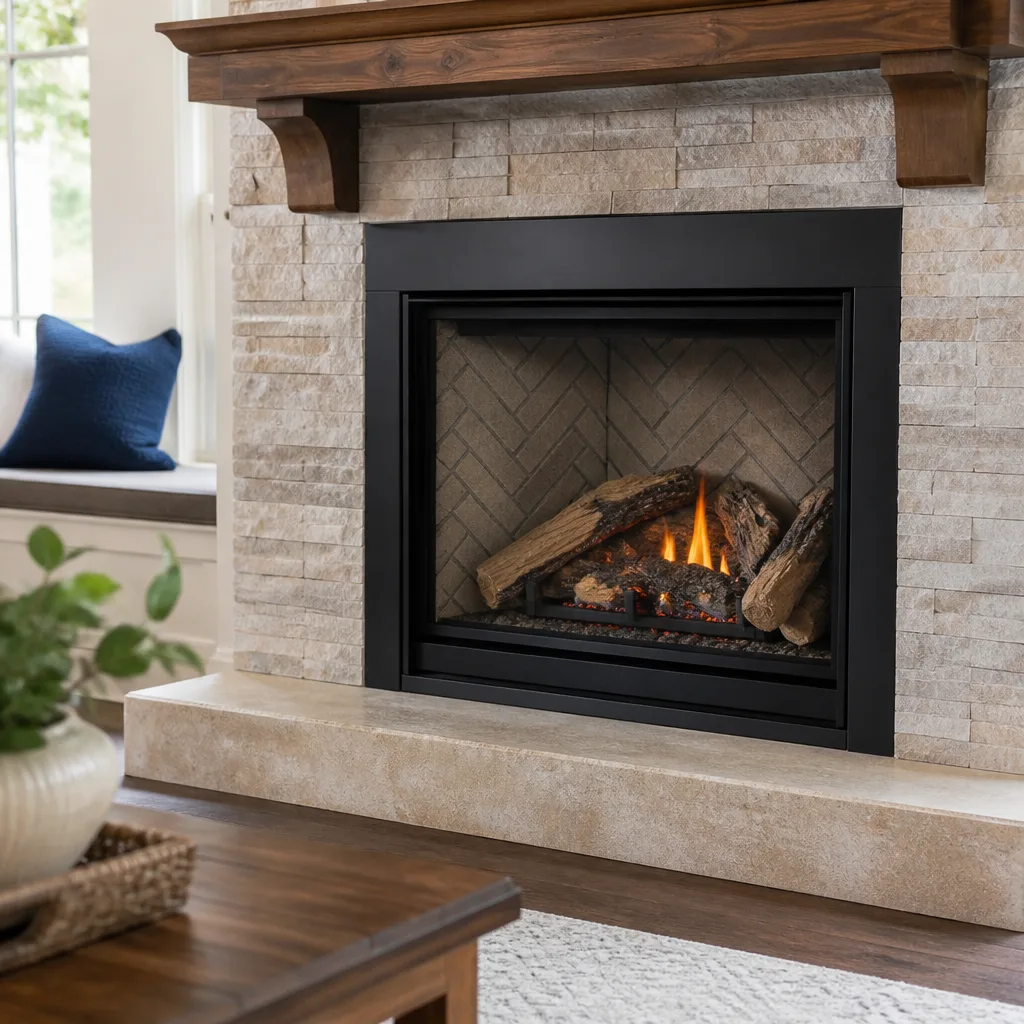 Gas fireplace service
Level 1 sweep and inspection to the NFPA 211 annual standard - flue, crown, cap, and flashing checked and photographed
Chimney sweep logs do not sweep chimneys. They loosen some creosote - which then falls where a brush and vacuum still have to collect it.
Chimney Cleaning Cost Breakdown: The Centennial Homeowner’s Reference for 2026
Most homeowners in Centennial assume a chimney sweep price is a chimney sweep price, and that a lower quote means they’re saving money on the same job. It usually doesn’t. A full-system cleaning in this market legitimately runs from a modest entry-level figure to more than three times that, and the gap almost never comes from profit margin. It comes from what’s included: whether the technician inspects the liner, whether there’s a camera run, whether the smoke chamber gets scraped, and whether you leave with a written report you can keep. This reference breaks down every line item, explains what actually drives variation, and shows you how to compare two quotes honestly so a cheap number doesn’t turn into a second visit.
Quick Answer
A full-system chimney cleaning in Centennial, CO in 2026 typically costs $225 – $450, and the price reflects the sweep plus a Level 1 inspection, camera check, smoke chamber attention, and a written report. A bare brush-only sweep may run $125 – $225, but it usually skips the inspection and documentation that catch hazards. Add-on repairs like relining or crown work push totals higher and should only be recommended when there’s visible camera or physical evidence.
Styles & brands we work with
- Sweep & inspection
- Caps & crowns
- Flue relining
- Masonry repair
- Gas fireplace service
Table of Contents
- What’s Actually Included: Line-Item Breakdown
- What Legitimately Drives Cost Variation
- Why Professional-Grade Liner Materials Cost More
- How to Compare Quotes Apples-to-Apples
- When Add-On Costs Are Justified vs. Upsells
- Centennial Climate, Housing, and Chimney Wear
- What a Full-System Cleaning Looks Like, Step by Step
- How Often to Book – and When to Wait
What’s Actually Included: Line-Item Breakdown
The single biggest reason chimney cleaning pricing varies so widely is that “cleaning” means different things to different contractors. A brush pass and a full-system service are not the same product, even when both are advertised as a sweep. Here’s how the line items break out in the Centennial market.
- Standard brush sweep: $125 – $225. Cleans the firebox and the accessible flue run.
- Level 1 inspection (visual): $75 – $150 standalone; often bundled. Covers the firebox, damper, smoke chamber, visible flue interior, cap, and crown.
- Camera inspection: $100 – $200 standalone. Runs a camera down the flue to check the liner interior, joints, and hidden damage a visual from the firebox can’t reveal.
- Smoke chamber scraping: $75 – $175. The smoke chamber is the sloped transition between the firebox and the flue. Creosote clings to it and needs scraping, not brushing.
- Cap and crown check: usually included. Inspects for cracks, missing screens, or gaps.
- Written report with photos: usually included in a full-service quote. Documents condition and supports future decisions.
When you add the components a thorough job requires, a full-system cleaning lands in the $225 – $450 range. That’s the number to hold against a competing quote. At Centennial Chimney Sweep, we build the quote from these parts, so you can see exactly what you’re paying for and what you’re not.
What Legitimately Drives Cost Variation
Once you know the components, the next question is why the same list of items still prices differently from job to job. Four variables account for most of the spread in Centennial, and none of them are arbitrary.
Chimney height
A single-story ranch with a short stack is faster to service than a two-story home with a tall exterior chimney. Access, ladder work, and time on the roof all scale with height. That difference is real labor, not padding.
Flue configuration
Premade metal fireplaces and furnaces often share or combine flues, and older Centennial homes sometimes have offset or angled flue runs that need more technique to sweep cleanly. A straight flue sweeps in minutes; an offset one takes time and the right tool.
Creosote stage
Creosote builds in three stages, and the stage determines the work. Stage 1 is light soot that brushes off easily. Stage 2 is a flaky, crusted layer that needs stiffer tools and more scraping. Stage 3 is a glazed, tar-like coating that brushing alone won’t remove and requires specialized removal methods. That’s why a heavily used wood-burning chimney can price higher than one that’s been maintained.
Liner type
A clay-tile flue with sound joints can be brushed without special handling. A corrugated or flexible stainless liner requires the right brush and a careful touch so the sweeps don’t damage the liner. If a liner is already compromised, the sweep may flag it for repair before cleaning finishes.
None of these are upsells. They’re the honest reasons a Centennial chimney cleaning quote can move within its range from house to house.
Why Professional-Grade Liner Materials Cost More
When a sweep recommends relining or resurfacing, the price you see can look steep next to an off-the-shelf fix. The gap comes down to material quality and what those materials are built to handle. It’s the same reason a chimney cap & crown built from manufacturer-grade components holds up longer than an improvised cover.
Professional-grade liner systems are engineered for continuous exposure to heat, creosote, and condensation. The products we rely on – DuraFlex liner systems, Olympia Chimney components, Famco, Copperfield – are made to the spec the trade and code expect, not to whatever fits the shelf at a hardware store. The lifespan difference between a proper liner install and a shortcut is measured in years, and the corrosion and joint failures that shortcut jobs develop are precisely what the next inspection flags.
Two systems in particular matter in Centennial:
- DuraFlex liners address both performance and code compliance in a single visit, matching the chimney’s flue geometry and the appliance it serves.
- HeatShield resurfacing is a specialized liner repair process that requires dedicated training and materials. Most sweeps don’t stock it or know how to apply it. When a liner is still structurally sound but has worn joints or minor defects, resurfacing can extend its life without a full rip-and-replace.
Neither product is a sales pitch. Both exist because repairing a liner badly costs more than repairing it right the first time.
How to Compare Quotes Apples-to-Apples
Two Centennial chimney cleaning quotes for $150 and $380 aren’t automatically a $230 savings – they may not even describe the same work. To compare fairly, ask each contractor the same checklist of questions in writing.
- Does the quote include a Level 1 inspection, or is that billed separately? Get the answer in writing.
- Is there a camera run down the flue, or is the inspection visual only? If it’s visual only, ask what that misses.
- Will the smoke chamber be scraped? A brush pass that skips the smoke chamber leaves a hazard behind.
- Do I get a written report with photos of what was found? If not, ask why.
- Is the cap and crown inspected and documented? A cap with a broken screen or a cracked crown is a known entry point for water and wildlife.
- What happens if Stage 2 or Stage 3 creosote is found? A good contractor tells you the cost of removal before doing it, not after.
- Is the final price flat and agreed before the booking? This is the key question. A flat-price sweep agreed in advance removes the “while we’re up there” surprise.
If a signature-ready quote won’t answer all seven, it’s not a quote yet. The written report and camera evidence are how you verify what someone is telling you. Ask for them.
When Add-On Costs Are Justified vs. Upsells
The honest answer is that some add-ons are necessary and some aren’t – and the difference is whether there’s evidence you can see for yourself. Here’s the straight version.
Justified add-on work
- Stage 2 or Stage 3 creosote removal. If the creosote has crusted or glazed on, brushing won’t safely clear it. This is a real fire hazard, and the added cost reflects specialized removal tools and time.
- Relining. Justified when the camera inspection shows a cracked clay tile, a failed joint, or a liner that no longer separates the flue gases from the chimney structure. This is a safety and code matter, not cosmetics.
- Crown coat. Justified when the crown is cracked and water is getting in. A crown is the concrete cap at the top that sheds water. Cracks let moisture into the flue, and moisture accelerates the damage.
- HeatShield resurfacing. Justified when a liner is still structurally sound but worn, and resurfacing is a better long-term fix than a full replacement.
Where an upsell starts
An add-on becomes an upsell when it’s recommended without camera evidence or a physical problem you can see. If someone tells you the liner needs replacing and can’t show you why on camera, ask for the footage. If the crown coat is recommended without a crack or moisture issue, ask what problem it’s solving. And if a quote for a repair or reline runs into the thousands, get a second opinion before signing anything. Work that can safely wait is worth waiting on. You’ll get a written estimate that sets the final price, and nothing gets recommended that doesn’t come with a photo you can point to.
Centennial Climate, Housing, and Chimney Wear
Centennial’s chimney issues are shaped by the place. The Front Range sits at high elevation, and the dry, cold winter air combined with heavy wood-burning seasons pushes creosote buildup faster than in milder climates. That means a chimney here can reach Stage 2 creosote in a single heating season of steady use, so annual sweeping isn’t optional advice – it’s the schedule the rest of the maintenance plan depends on.
The housing stock matters too. Many Centennial homes and the surrounding neighborhoods – Willow Creek, Foxridge, Cherry Creek Vista, and similar areas – date to the 1970s through 1990s. That means plenty of original clay-tile flues that have now seen decades of heating cycles. Clay tile cracks with age and thermal cycling, and when it does, gases can leak into the chimney structure. It’s the exact reason a camera inspection is worth the line item. You can’t see a cracked tile from the firebox.
Wood-burning insert installations are also common here, and an insert changes the flue requirements. A modern insert needs a properly sized liner running the full height of the flue to perform correctly and to separate gases from the masonry. When an insert was installed without that liner, the sweep finds it.
We aren’t in the habit of telling Centennial homeowners their chimney is a crisis. Most aren’t. But the local climate and housing make the inspection more than a formality, which is why our chimney sweep service bundles it rather than treating it as an optional extra.
What a Full-System Cleaning Looks Like, Step by Step
Knowing the sequence helps you judge whether a quote is thorough. Here’s how a full-system cleaning runs, from arrival to report.
- Set up and protect the area. Drop cloths go down, and the work area around the hearth is sealed.
- Inspect the firebox and damper. The technician checks the firebox for cracks and the damper for proper operation.
- Sweep the flue. The right brush for the liner type runs the full height of the flue.
- Scrape the smoke chamber. The sloped chamber above the firebox gets scraped, not just brushed.
- Run the camera. A camera run checks the liner interior, joints, and any hidden damage the eye can’t reach.
- Check the cap and crown. The cap, screen, and crown are inspected for cracks, gaps, and debris.
- Document and report. Findings go into a written report with photos, and any recommended work is explained along with the cost.
Notice that the sweep is step 3. The inspection, camera, and documentation around it are what turn a cleaning into a safety check. That’s the difference between the low quote and the thorough one.
How Often to Book – and When to Wait
How often a chimney needs sweeping depends on use, not on the calendar alone. Wood-burning chimneys that get steady winter use generally need an annual sweep. Gas appliances produce less creosote but still need an annual inspection to check venting and the liner. A chimney used only occasionally can sometimes go longer – but only after an inspection confirms the buildup is light.
The timing that matters most in Centennial is seasonal. Book before the burning season starts, so a problem found in October has time to be fixed before the first cold snap. Booking after the season ends is equally sensible for a post-season check.
Work that can safely wait:
- A crown coat on a hairline crack that isn’t yet letting water in – document it and schedule it.
- Cosmetic cap wear that isn’t allowing water or wildlife in.
- A liner that’s sound but showing early wear – plan the HeatShield resurfacing for the off-season.
Work that can’t wait:
- Stage 3 glazed creosote. That’s a genuine fire hazard and needs removal before the next burn.
- A liner with visible cracks or failed joints allowing gas into the structure.
- A crown that’s cracked through and actively leaking.
We’ll tell you plainly which of these applies, and if it can safely wait, we’ll say so.
Common Mistakes to Avoid
- Buying a coupon sweep without asking what it includes. A low headline price usually covers the brush pass and nothing else – no camera, no smoke chamber, no report. Ask what’s excluded before you book.
- Skipping the camera inspection to save $100 – $200. A visual inspection can’t see a cracked tile in the flue. The camera is what catches damage before it becomes a reline.
- Assuming a low quote means efficiency. In Centennial, the cheap number often just describes a smaller job. Compare the line items, not the total.
- Accepting a reline recommendation without seeing the evidence. If the technician won’t show you the camera footage or the cracked tile, get a second opinion.
- Sweeping only when you notice a problem. Creosote accumulation doesn’t announce itself. Annual service before the burn season is the schedule that keeps the system sound.
- Choosing a generalist handyman for a full-system job. A sweep is part of a system that includes the liner, crown, cap, and firebox. A crew that only cleans and leaves isn’t checking the parts that matter.
- Ignoring a cracked crown because the chimney still works. Water gets in through a cracked crown and quietly damages the flue. It’s cheaper to fix the crown than the flue behind it.
See the difference
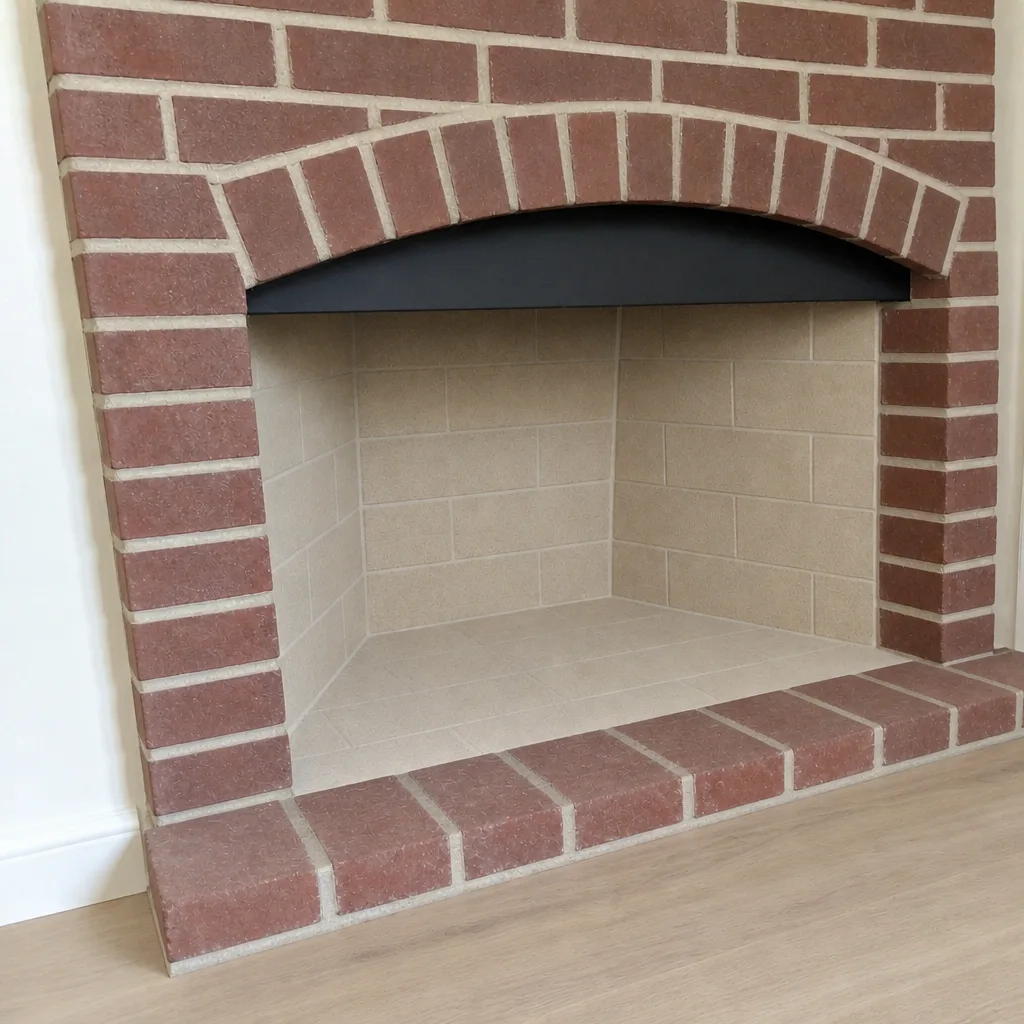
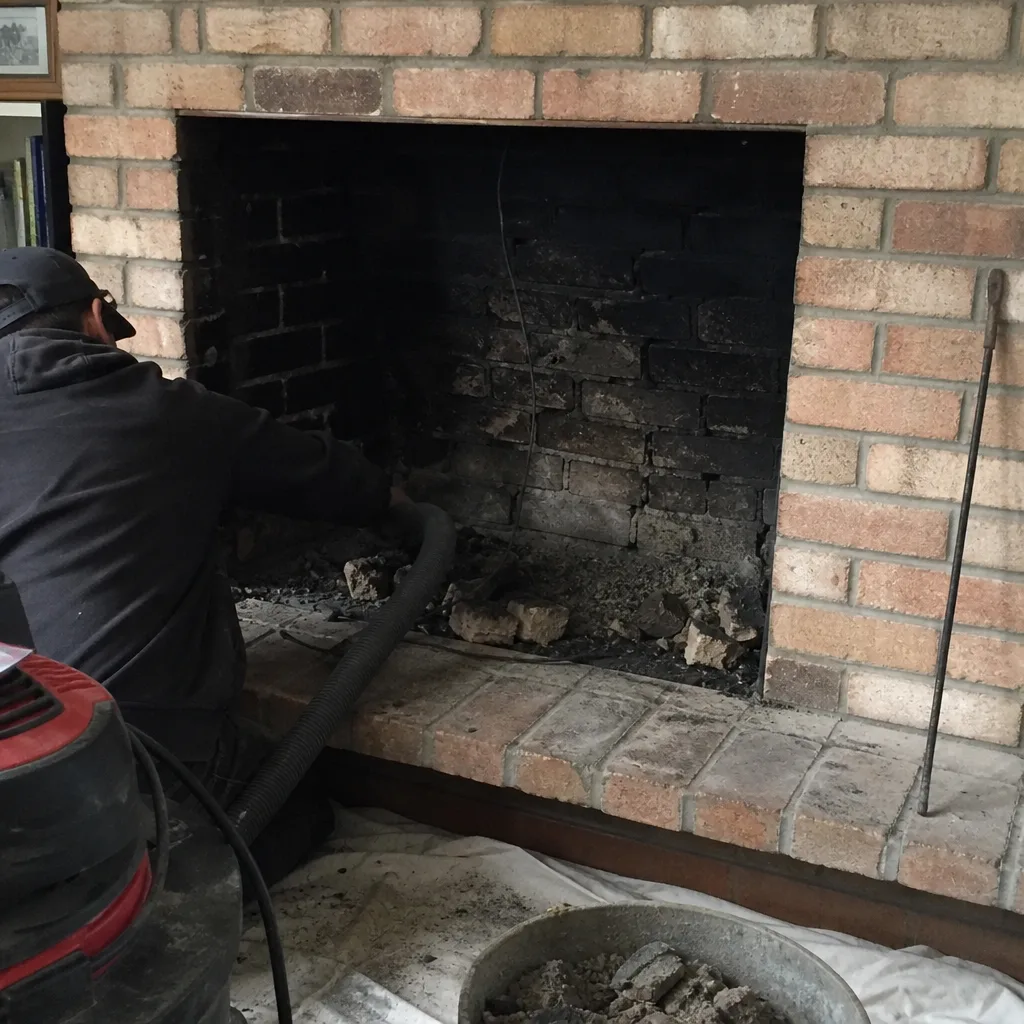
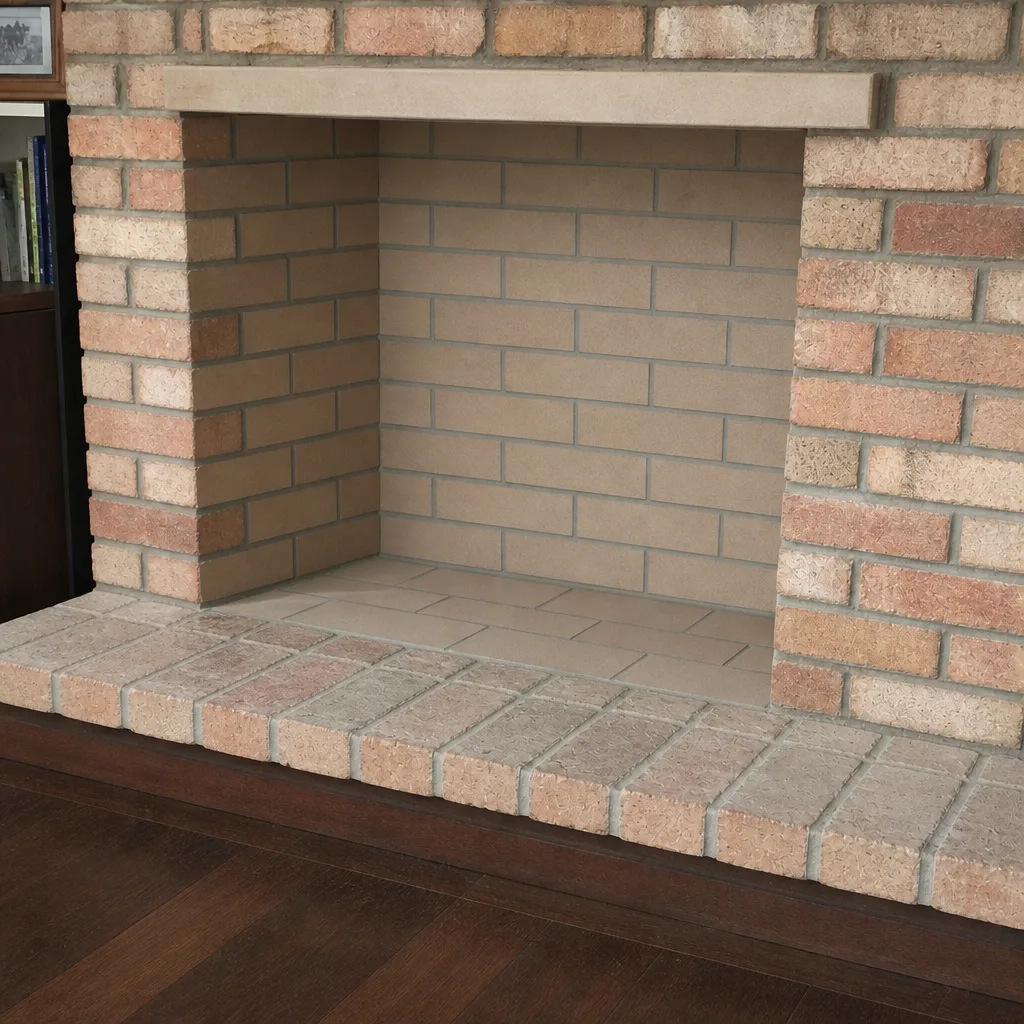
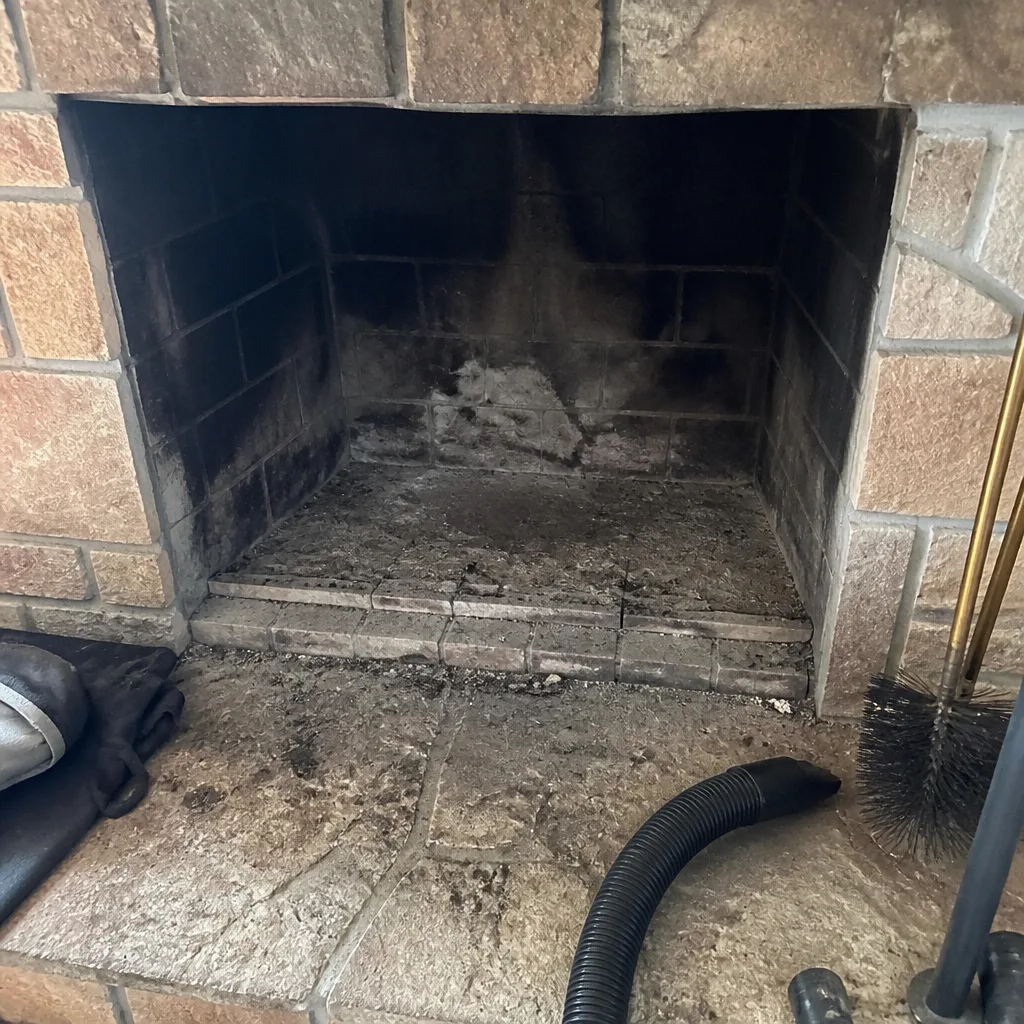 Before
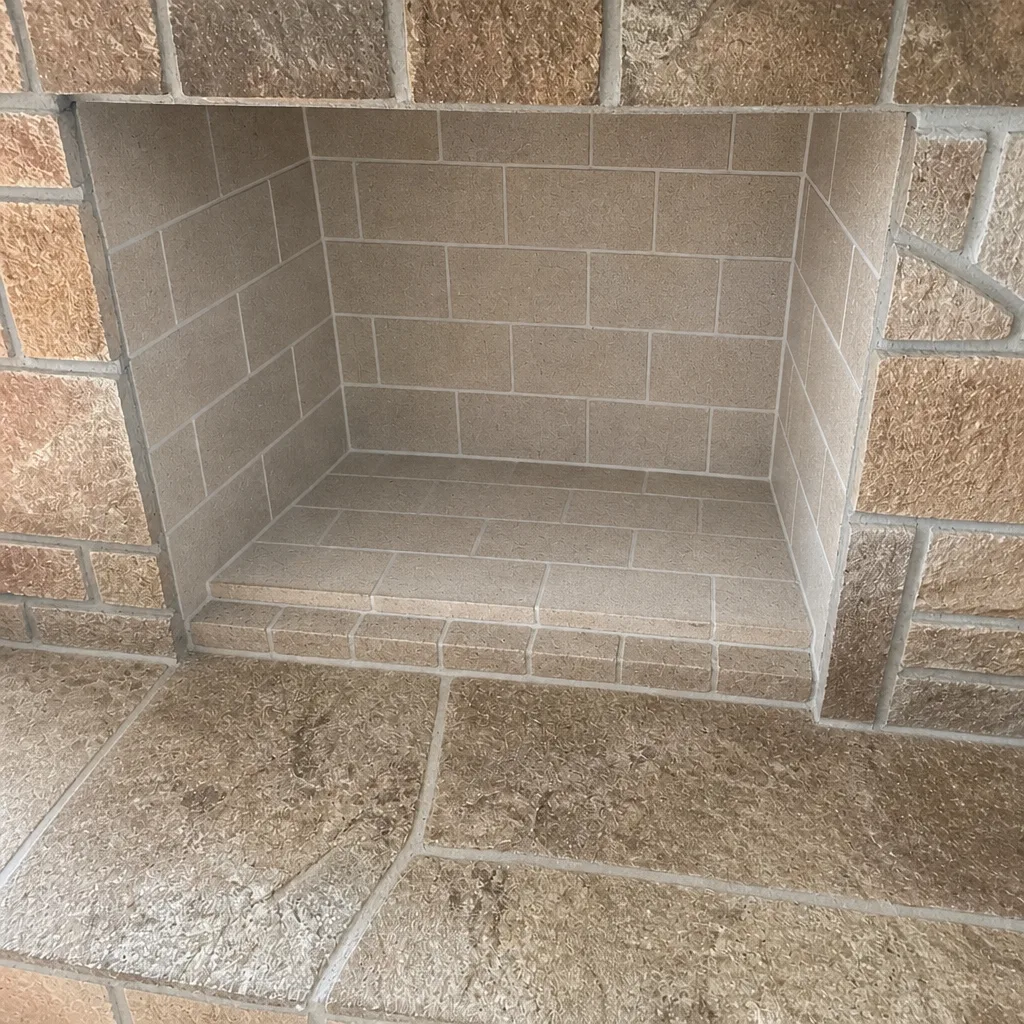 After
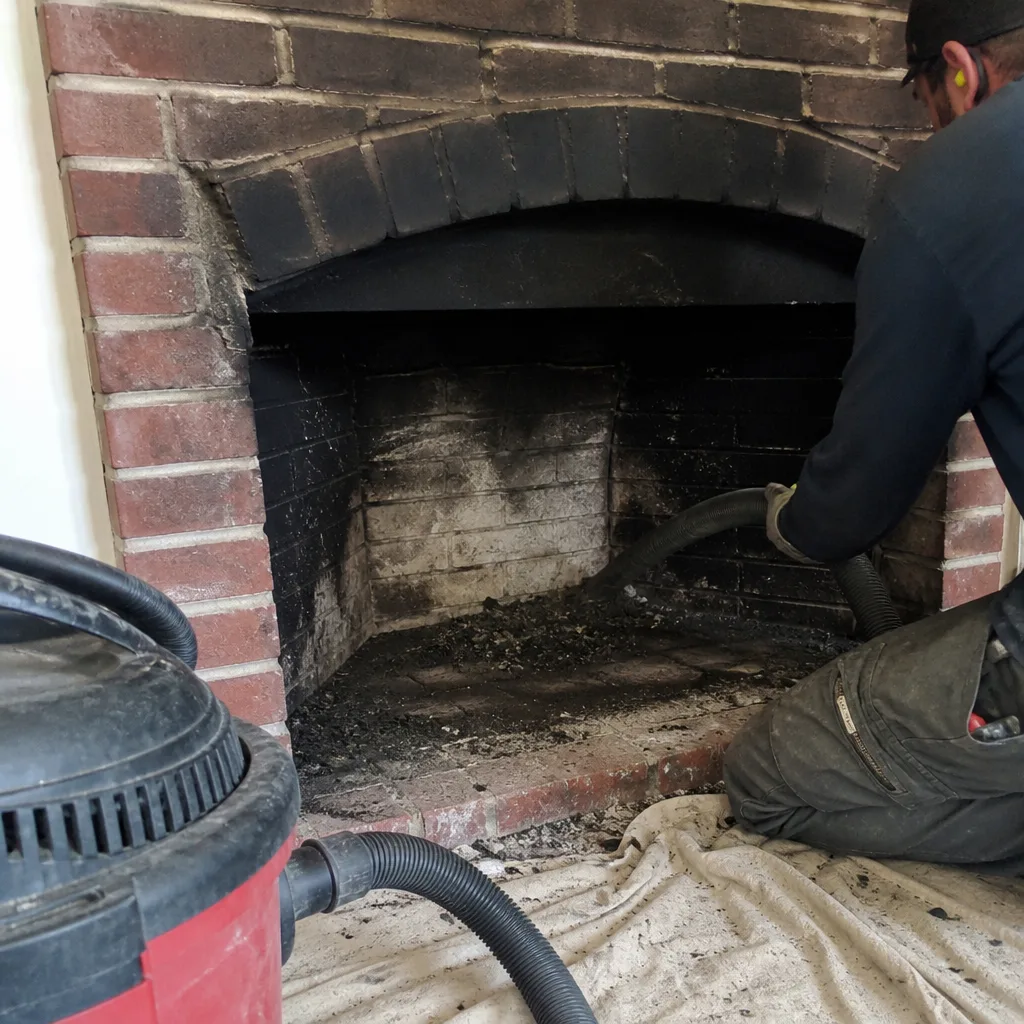 Before
 After
 Before
 After
When to Call a Professional
Some situations need a trained technician, not a DIY attempt. Call a professional if:
- You’ve burned wood steadily and it’s been a year or more since the last sweep.
- You notice creosote crusting or a glazed, tar-like coating on the flue walls.
- The fire smokes back into the room, drafts poorly, or smells like soot when it’s not in use.
- You see a cracked crown, a loose cap, or a damaged screen.
- You’ve had a chimney fire at any point, even a small one.
- You’re buying or selling a home and need a documented inspection.
High-tension springs and cables aren’t part of a chimney, but the fireplace and flue system involve genuine fire and carbon monoxide risk, and those components are best handled by someone trained for them. Centennial Chimney Sweep offers free estimates in Centennial – call (855) 629-6492 to book. We inspect the full system – liner, crown, cap, firebox, and flue – before we recommend anything.
Frequently Asked Questions
A full-system chimney cleaning in Centennial typically costs $225 – $450, which includes the sweep, a Level 1 inspection, a camera run, smoke chamber scraping, and a written report. A bare brush-only sweep may run $125 – $225, but it usually skips the inspection and documentation. Call (855) 629-6492 for an exact quote – estimates are free.
You need one only if the camera inspection shows a cracked tile, a failed joint, or a liner that no longer separates flue gases from the structure. A sound liner does not need replacing just because it’s old. We recommend relining only when the camera evidence shows it – nothing more, nothing less. Call (855) 629-6492 to schedule an inspection and see the footage yourself.
Wood-burning chimneys generally need an annual sweep, especially in Centennial’s cold, dry climate where creosote builds quickly during the burn season. Gas appliances still need an annual inspection, even though they produce less creosote. Book before the burning season so a small issue has time to be fixed. Call (855) 629-6492 for an estimate.
Creosote accumulates in stages, and unremoved Stage 2 or Stage 3 creosote is a real fire hazard, while a damaged liner or crown can let carbon monoxide or moisture into the structure. The risks are specific and avoidable. An annual cleaning plus inspection keeps you ahead of them. Call (855) 629-6492 – estimates are free.
A low quote often describes a smaller job – brush pass only, no camera, no report – so the inspection that would have caught a problem never happens. You may pay twice: once for the cheap sweep and again for repairs found later. Compare the line items on the quote, not just the total. Call (855) 629-6492 for a written estimate you can compare.
Yes, for some work. A hairline crown crack that isn’t leaking, or early liner wear that’s not yet severe, can be documented and scheduled for later. If it’s Stage 3 creosote, a cracked liner, or a leaking crown, it can’t wait. We’ll tell you which applies before you commit to anything. Call (855) 629-6492 to book an inspection.
The Bottom Line
Chimney cleaning pricing in Centennial varies so widely because “cleaning” isn’t one product. A full-system service – sweep, Level 1 inspection, camera run, smoke chamber scraping, cap and crown check, and a written report – is what actually protects your chimney, and in this market that runs $225 – $450. A bare brush pass costs less because it does less. When you compare quotes, ask the seven checklist questions, insist on camera evidence for any repair, and remember that work which can safely wait should wait. One call covers the sweep, the inspection, and any repair your chimney actually needs. Our technicians have up to 8 years of experience and work with professional-grade products – DuraFlex, HeatShield, Olympia Chimney, Famco, Copperfield – the same names the trade relies on. Ready to book? Call (855) 629-6492 for a free estimate. We answer 24/7. Fast dispatch from 7am to 7pm, Sunday through Friday.
Written by the team at Centennial Chimney Sweep.