
Last updated November 23, 2026
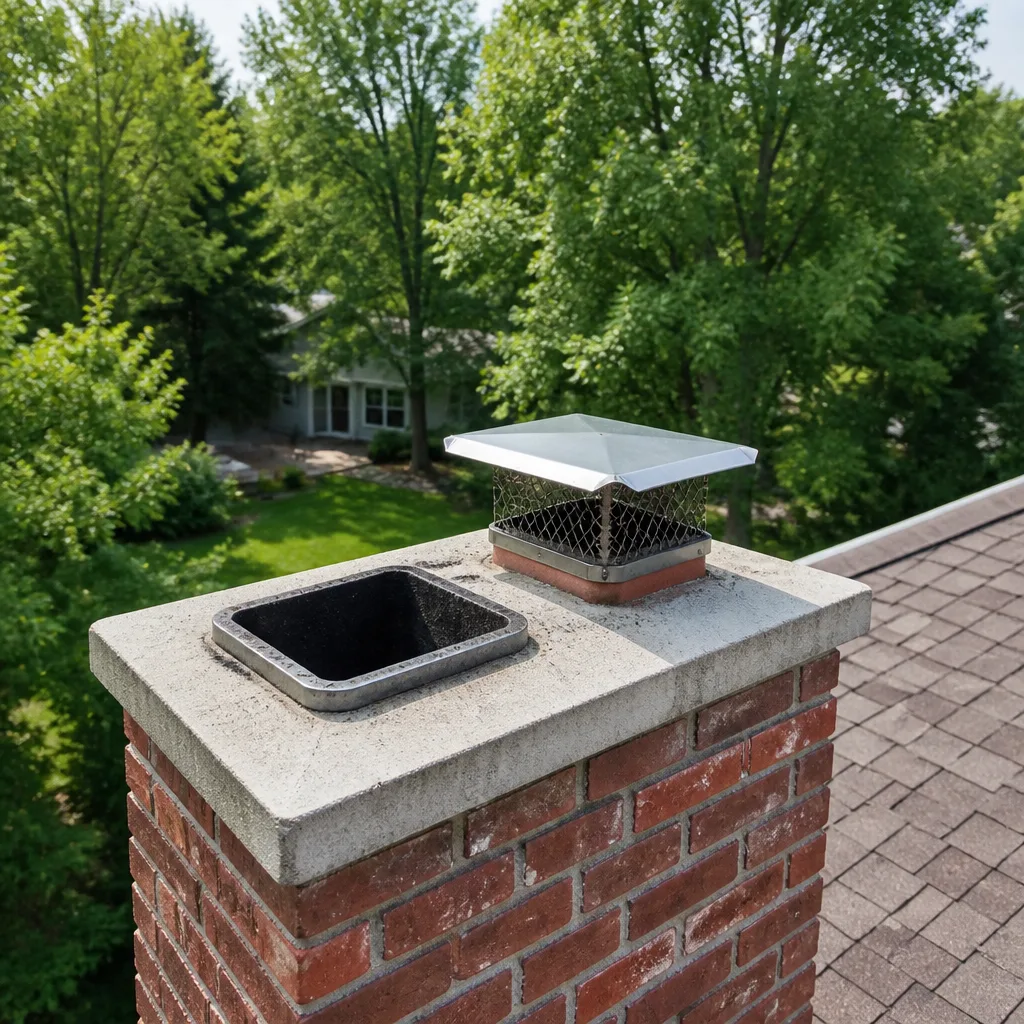 Sweep & inspection
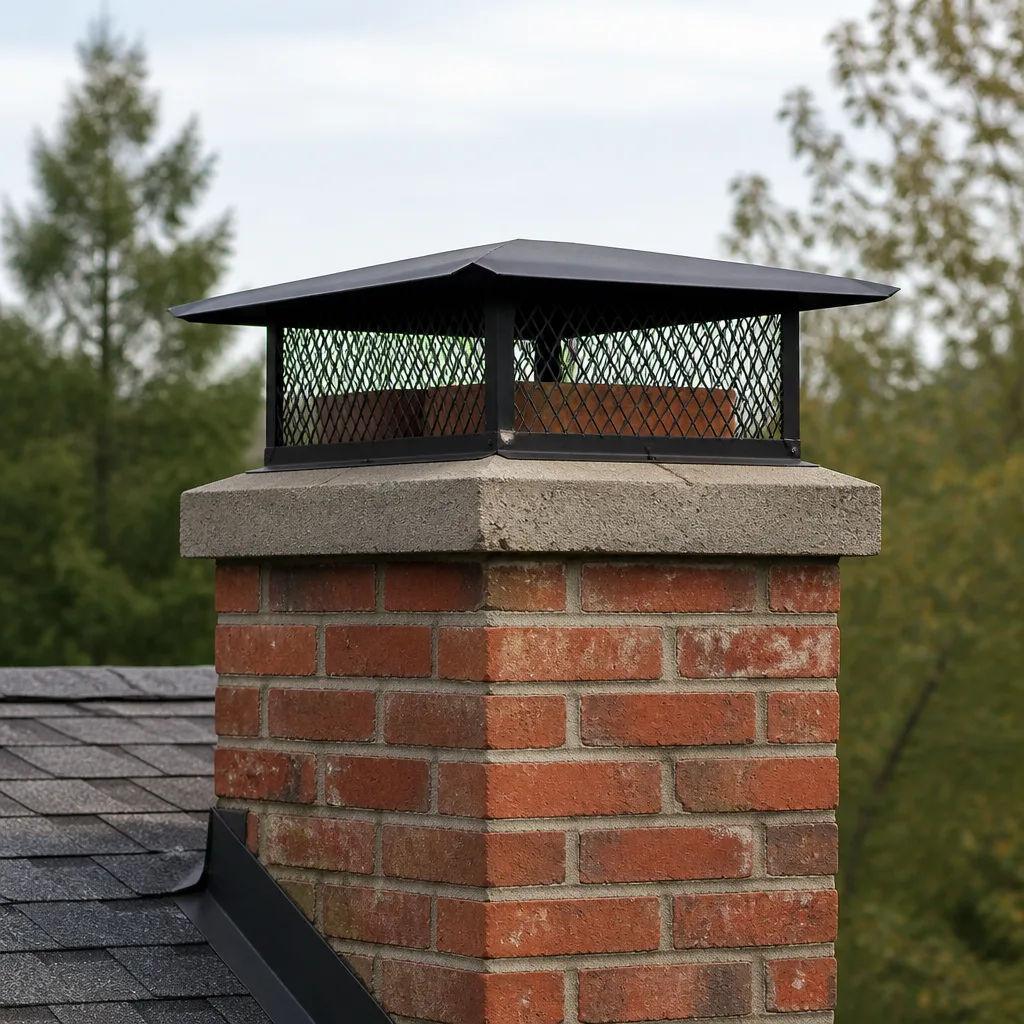 Caps & crowns
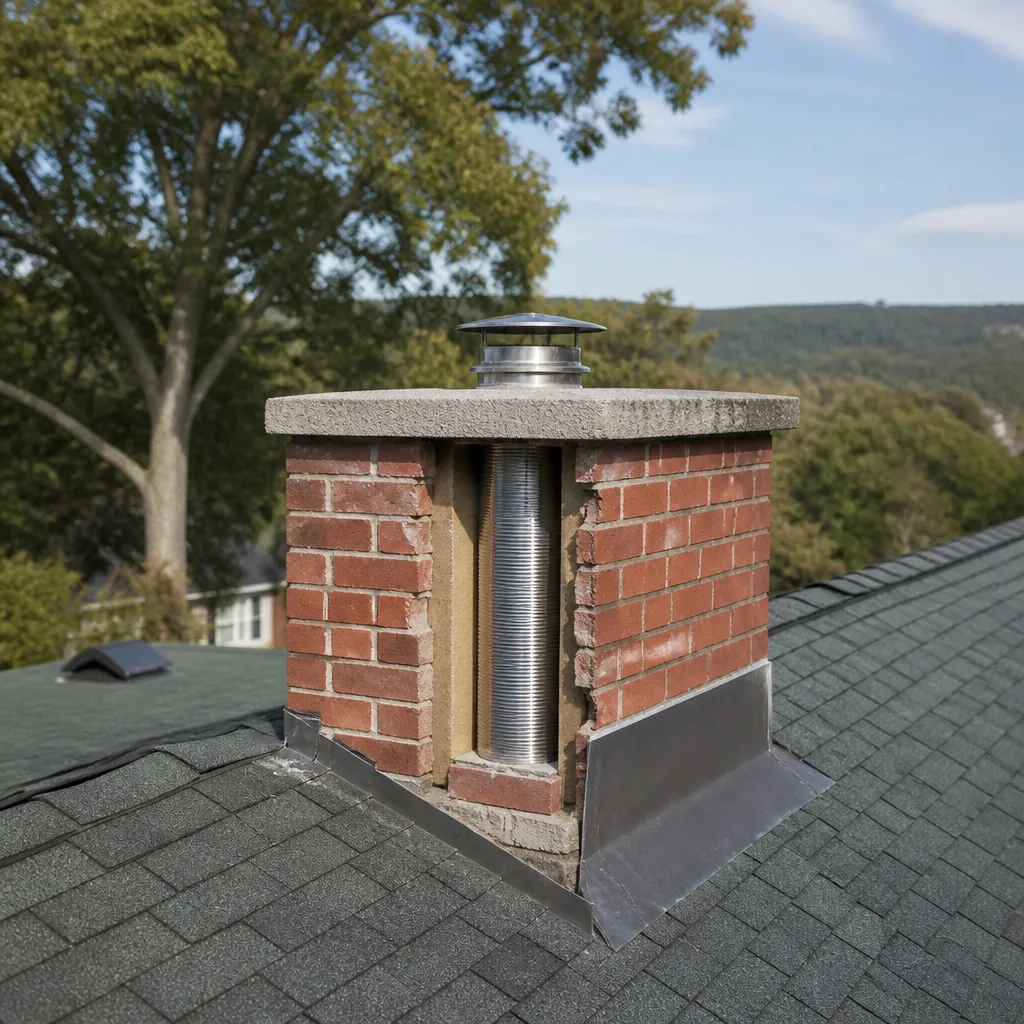 Flue relining
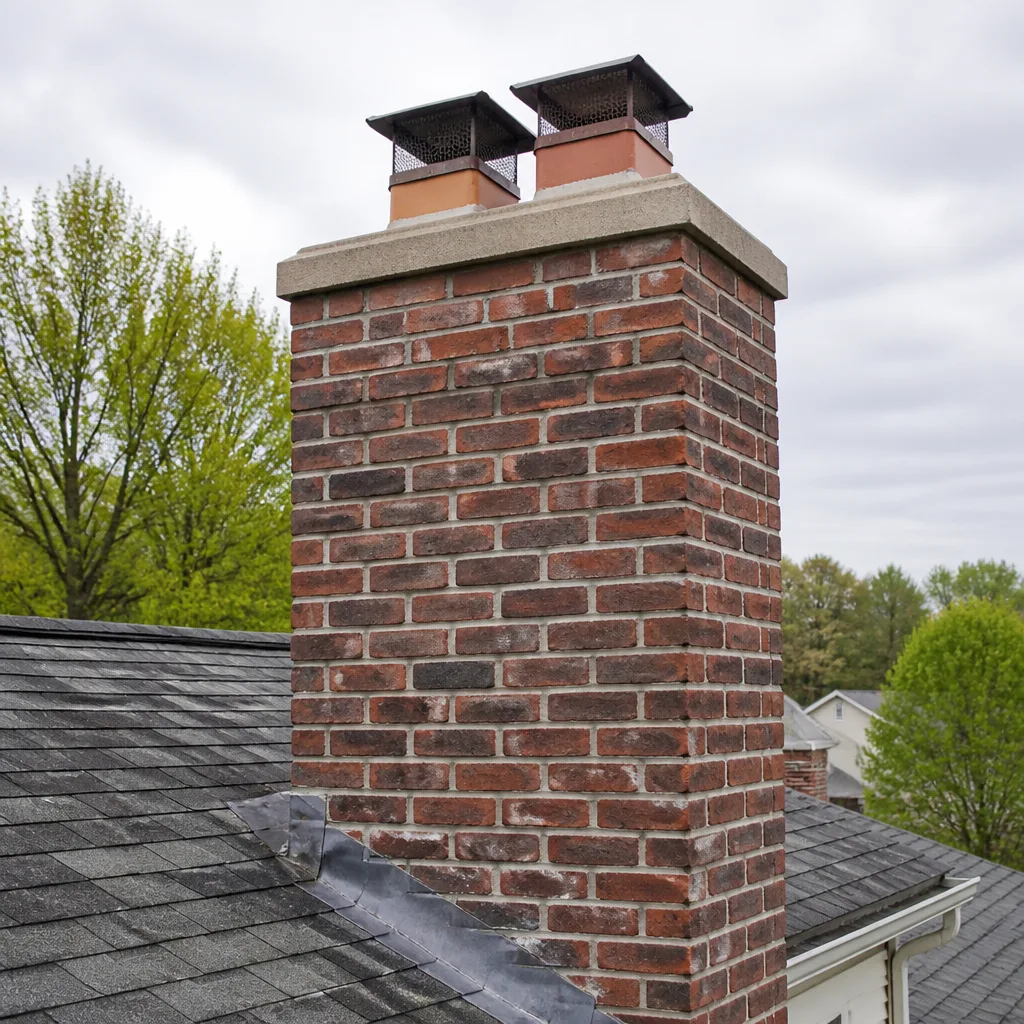 Masonry repair
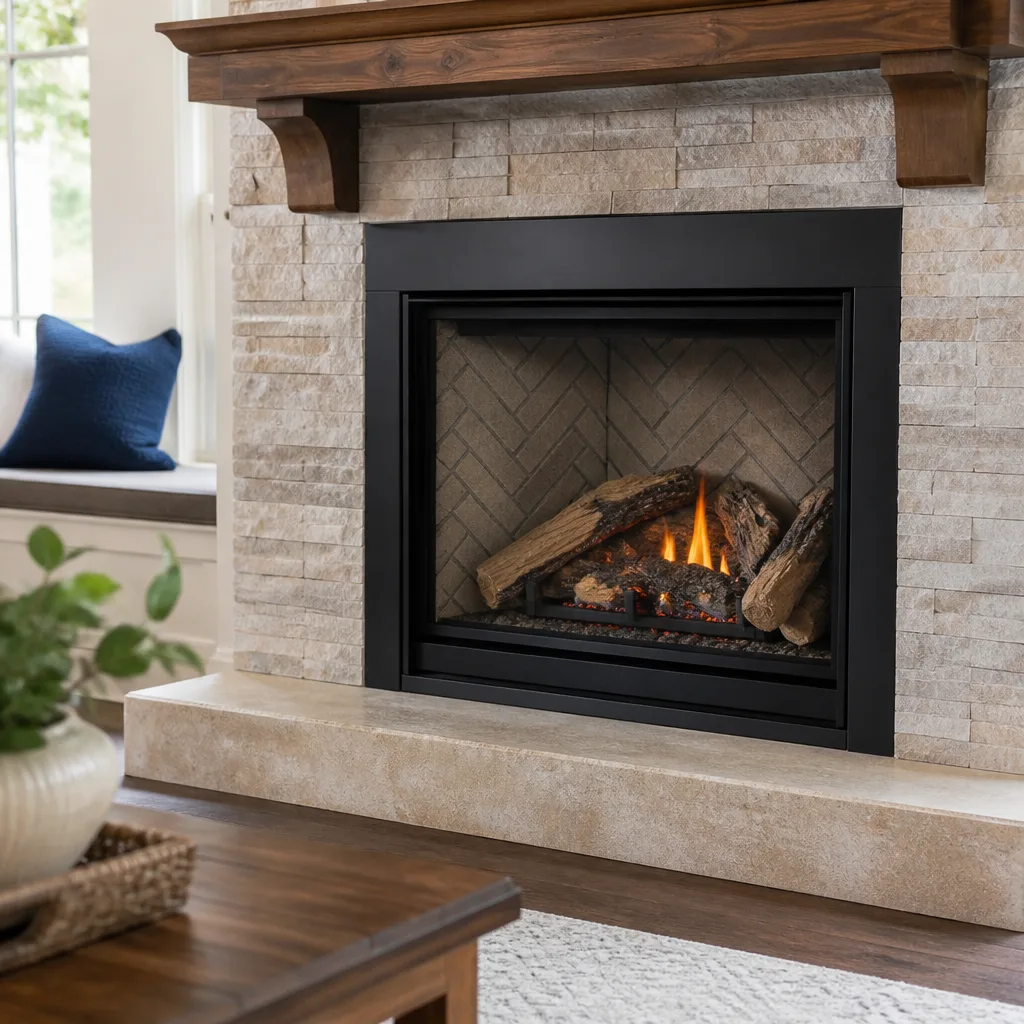 Gas fireplace service
Level 1 sweep and inspection to the NFPA 211 annual standard - flue, crown, cap, and flashing checked and photographed
Chimney sweep logs do not sweep chimneys. They loosen some creosote - which then falls where a brush and vacuum still have to collect it.
DIY vs Professional Chimney Cleaning: The Centennial Homeowner’s Decision Guide
A chimney brush kit costs about $80 and will pull most of the loose soot out of a flue. What it won’t do is tell you that the tile three feet above the smoke chamber has a hairline crack that’s been letting heat reach the wood framing behind it all season. That gap between “the flue looks clean from here” and “the flue is sound” is the whole debate. This guide walks through what a Centennial homeowner can honestly handle, what needs professional tools and a trained eye, and how to tell which chimney you actually have before you climb a ladder.
Quick Answer
DIY chimney cleaning is reasonable only for a lightly used, single-flue chimney with glazed or loose soot you can reach safely from the firebox, and only for the firebox cleanout and cap debris removal. Anything involving Stage 2 or Stage 3 creosote, a cracked flue tile, a smoke chamber that needs scraping, or a camera inspection belongs to a professional sweep. For most wood-burning chimneys in Centennial, the risk-to-reward math tips toward a professional because the parts you can’t see are the parts that catch fire.
Styles & brands we work with
- Sweep & inspection
- Caps & crowns
- Flue relining
- Masonry repair
- Gas fireplace service
Table of Contents
- What a homeowner can safely handle
- What requires professional tools and training
- Class 1, Class 2, and Class 3 creosote – and why one needs chemistry, not a brush
- Liability and insurance implications of DIY chimney work
- Is your chimney a reasonable DIY candidate?
- How a professional sweep actually runs a job
- The tools DIY kits leave out
- Common mistakes to avoid
- When to call a professional
- Frequently asked questions
- The bottom line
What a homeowner can safely handle
There’s a real category of chimney work a careful homeowner can do without climbing anything or opening a panel. It’s small, but it matters because it keeps the chimney functioning between professional visits and catches obvious problems early.
Firebox cleanout. Ash and soot in the firebox and ash pit can be shoveled out with a metal scoop and a metal bucket, handled outside, and disposed of as household waste once cold. Stray embers buried in ash stay hot for days, so it’s worth scooping only when the fire has been out for a while and using a metal container, never a vacuum.
Visual inspection of accessible components. You can open the damper and look up into the smoke chamber with a flashlight. You can look at the firebox brick for cracks, at the damper for missing or stuck parts, and at the inside of the cap and spark screen from below. What you’re looking for is anything that changes shape, color, or sound.
Cap and screen debris removal. Feathers, leaves, and squirrel nests collect on spark screens and block exhaust flow. A homeowner can clear debris with a long pole from the ground if the cap is reachable from a safe angle, or from a stepladder on solid ground if the roof is single-story and dry.
Creosote glaze check. A flashlight up the flue from the firebox shows whether the interior is shiny and glassy (Stage 3) or dry and flaky (Stage 1). That alone tells you whether you’re a candidate for a DIY brush pass or whether it’s time to call.
These are the four areas where a homeowner is unlikely to cause harm. Everything below is a different story.
What requires professional tools and training
The moment the work moves off the floor of the firebox and up into the flue, the tools and the vantage point both change. A chimney professional carries equipment a homeowner doesn’t, and more importantly has seen enough bad chimneys to know what “this looks fine” is hiding.
Camera inspection. A chimney camera on a flexible rod lets a sweep see the flue interior from the top down. It’s how a cracked tile, offset joint, or gap in the mortar gets found. A flashlight from the firebox sees maybe the first four feet and only the front wall.
Smoke chamber scraping. The smoke chamber is the tapered space above the damper and below the flue. It’s the single most common place creosote piles up because it’s difficult to reach and the shape of it catches residue. Scraping it flat requires a specialized tool and a sweep on the roof and in the firebox simultaneously.
Stage 2 and Stage 3 creosote removal. Covered in its own section below, but the short version: brushing alone won’t touch it.
Liner assessment. The flue liner is the wall between fire and framing. Whether it’s clay tile, a stainless system from a manufacturer like DuraFlex, or a cast-in-place liner, it needs to be looked at by someone who knows what “undamaged” actually looks like from the inside. We use professional chimneys materials from Olympia Chimney and Copperfield because the liner is not the place to compromise.
Cap and crown work. Replacing a cap or rebuilding a crown means working on the roof, often at a height and pitch that isn’t safe for a homeowner. A crown that’s failing lets water into the chimney structure, which then freezes and cracks. Our chimney cap & crown work is done with manufacturer-grade components, not improvised flashing and caulk.
Class 1, Class 2, and Class 3 creosote – and why one needs chemistry, not a brush
Creosote forms in three stages, and the stage determines the removal method. This is the single most important thing a homeowner needs to understand before picking up a brush.
- Stage 1 (soot and flaky creosote): Grayish-brown, dry, and comes off with a standard flue brush. This is the easiest stage and the state most chimneys are in after a season of moderate use. A homeowner’s brush kit can handle this in a single-flue chimney.
- Stage 2 (glazed creosote): Dark and hard, sometimes with a shiny surface. It’s bonded to the flue wall and a standard brush skips over it. Stage 2 gets removed with a rotary tool or by chemical treatment that softens it before brushing. Brushing it dry can leave the residue in place and gives false confidence.
- Stage 3 (glassy, bubbled creosote): The fuel for a chimney fire. It looks like black glass or a bubbled crust, and it can be a quarter-inch thick or more. Removal usually requires a chemical treatment – a resurfacing agent that breaks the glaze down – followed by mechanical removal. This is one of the reasons we stock HeatShield; it’s a resurfacing system most sweeps aren’t trained or equipped to apply, and it addresses both the glaze itself and any damaged liner surface underneath.
The practical consequence: if you look up the flue and see a shiny black surface, don’t brush it. A brush against Stage 2 or Stage 3 creosote either skips over it (leaving the hazard) or loosens flakes that can fall into the smoke chamber and sit there. Call a professional. A homeowner’s brush kit is a Stage 1 tool.
Liability and insurance implications of DIY chimney work
Here’s a conversation many homeowners don’t have until it’s too late: what does your insurance company do when a chimney fire damages a home and the only maintenance record is a homeowner’s own brush pass?
Most homeowner policies don’t prohibit DIY chimney cleaning, and a brush-and-vacuum pass on a Stage 1 chimney isn’t fraud. The problem is documentation. When a chimney fire happens, the adjuster’s process includes looking at whether the chimney was maintained. A professional sweep gives you a written record – inspection findings, what was cleaned, what was flagged, and the materials used. A homeowner brush pass gives you nothing but a receipt for a brush kit.
Colorado’s climate adds a wrinkle. The freeze-thaw cycle along the Front Range cracks crowns, opens mortar joints, and drives water into masonry. That means the chimney an adjuster examines six months after a fire may already have weather damage that makes causation hard to prove. Written documentation of the chimney’s condition before the event is the cleanest way to separate weather wear from fire damage.
There’s also the matter of who’s liable if a DIY repair goes wrong. If a homeowner seals or patches a cracked flue tile with a DIY product and a subsequent fire escapes through that repair, the claim is far more complicated than if a professional had inspected and documented the condition. In our experience, this is where “I saved the sweep fee” stops looking like a savings. A documented professional sweep – the kind we do as a chimney sweep in Centennial – costs far less than a claims dispute. And that inspection catches hazards most homeowners don’t know to look for.
Is your chimney a reasonable DIY candidate?
Some chimneys really are fair game for a light homeowner brushing, and some are never. The differences come down to a handful of physical facts about the chimney and how it’s used.
Numbered checklist to run through before you decide:
- Single flue or multi-flue? A single-flue chimney is a reasonable DIY candidate. Multi-flue chimneys have a shared crown and stack, and a brush from one flue can damage the tile liners of an adjacent flue. Those go to a professional.
- Wood-burning or gas insert? A gas insert chimney with proper venting produces little creosote. A wood-burning insert runs hotter and concentrates creosote in the smoke chamber – less of a DIY candidate every year.
- Use level. A fireplace used a handful of times a year for ambiance rarely reaches Stage 2. A chimney that heats the house all winter will, eventually.
- Flue condition. If a flashlight from the firebox shows shiny creosote, cracked tile, missing mortar, or a liner gap, stop. That’s a professional inspection, not a brushing.
- Roof access. If reaching the top of the flue requires climbing a steep pitch, a wet roof, or a tall ladder on uneven ground, it isn’t a DIY job. The chimney brush isn’t the hazard. The ladder is.
- Age of the chimney. Older Centennial-area homes with original clay tile liners are more likely to have hidden cracks. Those need a camera inspection – the kind a sweep does – not a flashlight.
If you can tick all six boxes toward DIY (single flue, gas or low-use wood, sound liner, safe access), a homeowner brushing once a season between professional inspections is reasonable. If even two boxes point to professional, call us. One call covers the sweep, the inspection, and any repair your chimney actually needs.
How a professional sweep actually runs a job
A professional chimney sweep isn’t a bigger version of the brush kit. It’s a different process, and that’s useful for a homeowner to understand before deciding. Here’s how a typical sweep runs, and what a homeowner’s DIY pass leaves out at each step.
- Drop cloths and containment. A professional sets up floor protection and a vacuum system with HEPA filtration at the firebox before any brush moves. A DIY setup with a shop vacuum on the floor is the way soot ends up on every surface in the room.
- Camera inspection from the top. Before brushing, the sweep inspects the flue from top to bottom with a camera. Homeowners can’t do this without equipment.
- Rotary and hand brushing, appropriate to stage. A professional sweeps with a rotary brush that follows the flue contour and removes Stage 1 and moderate Stage 2 creosote cleanly. The brush adapts to the flue size and the material.
- Smoke chamber scraping. The smoke chamber gets scraped flat with a specialized tool. This is where the soot a homeowner thought was gone actually lives.
- Crown and cap inspection. On the roof, the sweep checks the cap, the crown, and the flashing. A cracked crown is one of the most common causes of water damage in a Centennial chimney, and it’s not visible from the ground.
- Firebox and damper inspection. Back down at the fire, the sweep looks at the firebox for cracked brick, at the damper for function, and at the firebox-to-hearth joints for gaps.
- Written report and photos. A professional sweep documents conditions, so you have a record for insurance and for your own reference.
Steps 2, 3, 4, and 7 are where DIY brushing falls off. The rest a careful homeowner can approximate – the value is in the middle.
The tools DIY kits leave out
A $80 brush kit includes a brush head, a set of flexible rods, and a drill adapter if you’re lucky. Here’s what a chimney professional actually uses, and why the missing tools matter for the decision.
- Inspection camera. No DIY kit includes one, and it’s the tool that finds cracks and liner damage the brush can’t touch.
- Rotary brush and whip heads. The brush in a DIY kit is fine for Stage 1. It skips Stage 2, which is exactly the stage most at-risk chimneys are in.
- Smoke chamber scraper. Not sold at hardware stores. It requires two people to use safely.
- Chemical treatment for glazed creosote. This is the gap most homeowners don’t know about. Stage 3 removal needs a resurfacing product applied by someone trained in it – HeatShield is the one we carry and apply, and it does double duty on liner repair and creosote glazing.
- High-capacity HEPA vacuum. A shop vacuum on the floor catches maybe half the soot. A proper chimney vacuum is set up to pull the soot from the flue before it reaches the room.
- Liner repair materials. A homeowner can’t buy a HeatShield application kit at a hardware store, and a hardware store foam backer rod or mortar patch isn’t a substitute for a proper flue repair.
A homeowner who wants to attempt a DIY brushing should limit the tool investment to a brush, metal rods, and a metal bucket for ash. Buying anything beyond that is spending money to approximate a service a professional does with the right equipment in less time.
Common mistakes to avoid
- Brushing Stage 2 or Stage 3 creosote with a standard nylon brush. It skips the glaze, disguises the hazard, and can loosen flakes that fall into the smoke chamber and sit there until the next fire. If the flue looks shiny or glassy, stop and call.
- Climbing the roof on a wet or icy day. The Front Range weather swings mean the roof a homeowner climbed dry on a Saturday may be slick by Sunday. The chimney brush isn’t the risk. The roof is.
- Using a shop vacuum for soot. Household vacuums have the wrong filter, and soot passes straight through to the motor and into the room. Chimney soot is fine enough to coat an entire room in seconds.
- Skipping the crown inspection because the cap looks fine. The crown is the concrete or masonry top of the chimney, and a crack along its edge lets water drip into the chimney structure, where winter freeze cracks it open from the inside. Our chimney cap & crown work is often done on chimneys that had no idea they had a crown problem.
- Treating creosote as an aesthetic issue. Stage 3 creosote is the fuel for a chimney fire, and no amount of sweeping removes it without chemistry. If a brush pass looks clean but the flue was shiny underneath, the hazard is still there.
- Patching a flue crack with DIY masonry product and calling it repaired. A patched flue tile that gets hot can fail where the patch meets the tile. Proper liner repair – HeatShield resurfacing or a DuraFlex liner replacement – is a professional task.
- Not documenting the inspection. If the only record of chimney maintenance is a brush kit receipt, an insurance claim after a fire becomes complicated. Keep professional inspection reports, including photos, in the home file.
When to Call a Professional
Call a chimney professional in Centennial if any of the following apply. The list isn’t scare-tactic framing – it’s the list of conditions a brush can’t fix.
- You see shiny or glassy creosote up the flue.
- Any crack, chip, gap, or missing mortar in the flue tile is visible from the firebox.
- The chimney is a multi-flue stack.
- Roof access requires more than a stepladder on solid, dry ground.
- You’ve never had the chimney professionally inspected, or it’s been more than a year with regular use.
- The cap, screen, or crown is cracked, missing pieces, or loose.
- You smell smoke in the house when the fireplace isn’t running, or feel cold air drafting down the flue.
We inspect the full system – liner, crown, cap, firebox, and flue – before we recommend anything. Centennial Chimney Sweep offers free estimates in Centennial. Call (855) 629-6492. We answer 24/7. Fast dispatch from 7am to 7pm, Sunday through Friday.
Frequently Asked Questions
DIY chimney cleaning is a good idea only for a single-flue chimney with Stage 1 creosote and easy access. In that situation, a homeowner brushing once a season between professional inspections keeps soot under control. The moment the flue shows shiny creosote, cracked tile, or a need for a camera look, it stops being a DIY job. Call (855) 629-6492 to book an inspection – the estimate is free.
Class 1 creosote is dry, flaky, and comes off with a standard brush. Class 2 creosote is hard, dark, and glossy, and a brush skips over it. Class 3 is the black, bubbled glaze that acts as fuel for a chimney fire. Only Class 1 is reliably handled by a homeowner’s brush kit. For Class 2 and Class 3, call us at (855) 629-6492 for an inspection – the estimate is free.
Sometimes. A chimney with a firebox that opens onto the flue and enough clearance can be brushed from below with flexible rods. But a bottom-up brush misses the top of the flue where creosote tends to form first, and it can’t inspect the cap or crown. The bottom-up approach is a partial job. A professional sweep sees the full flue, top to bottom.
Run through five checks: single-flue, wood-burning with low use, sound flue interior visible from the firebox, safe roof access, and no visible creosote above Stage 1. Tick all five, and a seasonal brush pass from below is a reasonable option. Fail even two, and it’s an inspection job. Our Centennial Chimney Sweep team inspects the full system before recommending anything.
Not directly – most policies don’t prohibit a homeowner brushing their own chimney. But if a chimney fire damages the home, the adjuster will look for a maintenance record. A written professional inspection makes the causation analysis much cleaner. A DIY brush pass gives you no record, especially in a Front Range climate where freeze-thaw damage can complicate the story. That’s one reason fireplace repair and chimney work here is worth documenting professionally.
A professional sweep includes a camera inspection, smoke chamber scraping, crown and cap inspection, and a written report with photos. A DIY brush pass is a brush on a rod. On a single-flue Stage 1 chimney, a homeowner brushing between annual professional sweeps is fine. Removing the annual professional sweep and relying on DIY means the smoke chamber, crown, and liner never get looked at.
We book chimney sweeps ahead of the season because that’s when the calendar fills. Call (855) 629-6492 to get on the schedule. We answer 24/7. Fast dispatch from 7am to 7pm, Sunday through Friday. (855) 629-6492.
The Bottom Line
DIY chimney cleaning is worth doing only for the small parts a homeowner can genuinely do safely: firebox cleanout, cap debris removal, and a flashlight inspection from the firebox. The moment the work moves into the flue, the brush passes Stage 1 creosote but skips Stage 2 and Stage 3, misses the smoke chamber entirely, and never sees the crown or flue tile from above. In Centennial, where freeze-thaw cycles crack masonry every winter, the parts a homeowner can’t see are the parts that matter. If you’re unsure, book a professional inspection. Call Centennial Chimney Sweep at (855) 629-6492 for a free estimate – one call covers the sweep, the inspection, and any repair the chimney actually needs.
Written by the team at Centennial Chimney Sweep.
See the difference
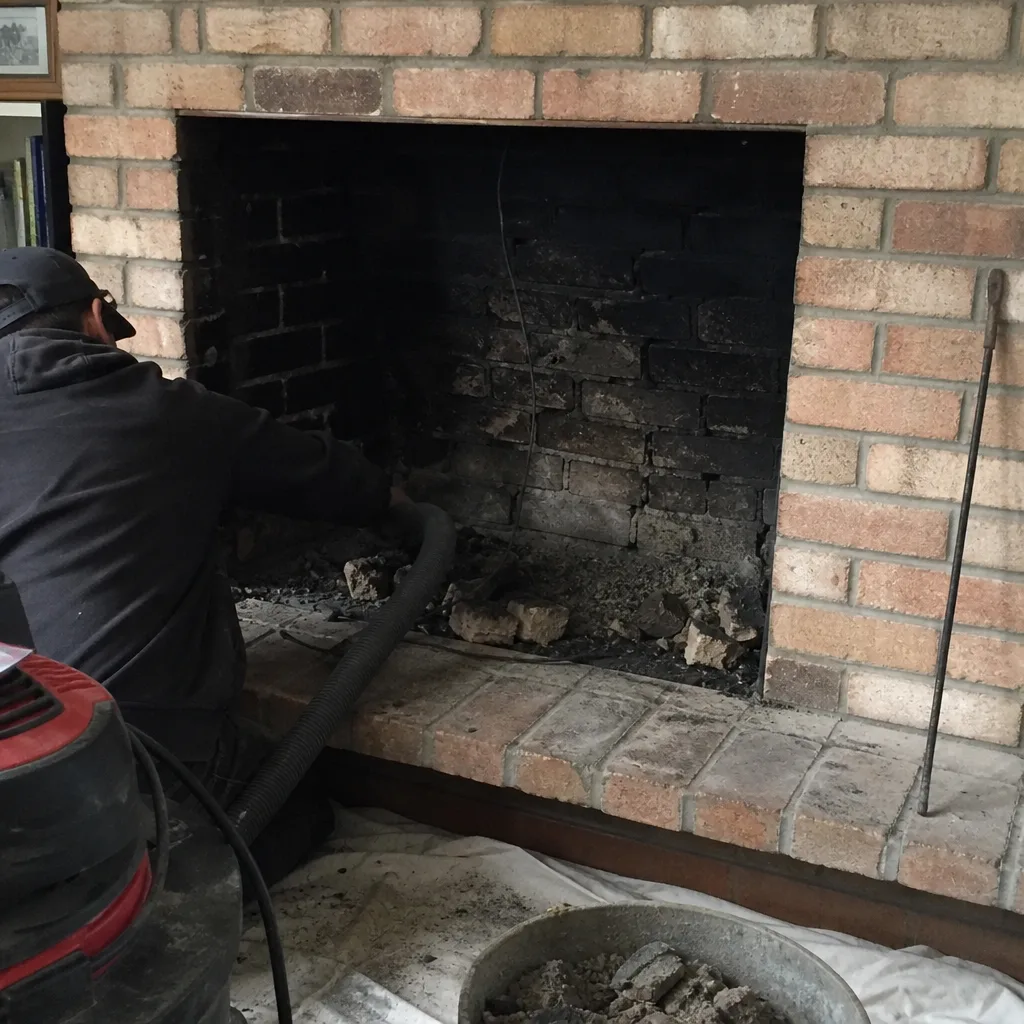
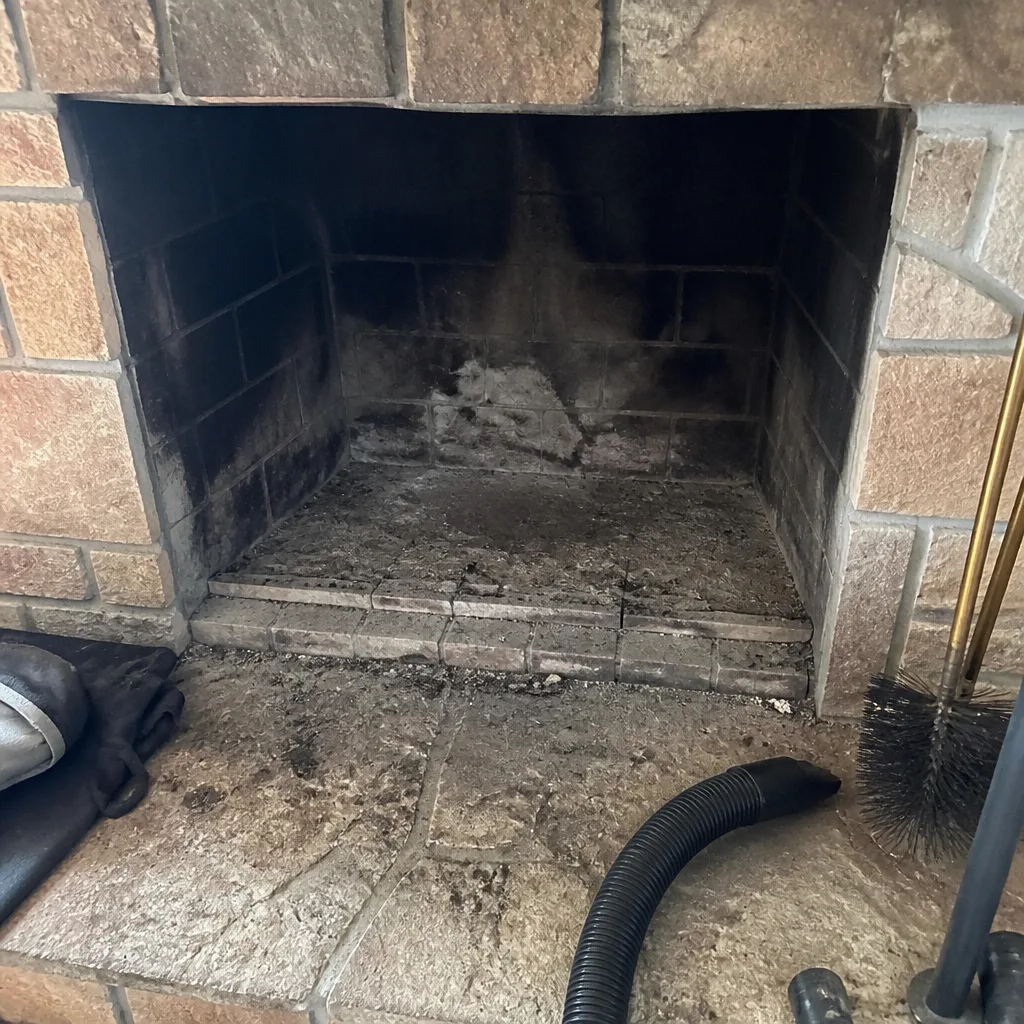 Before
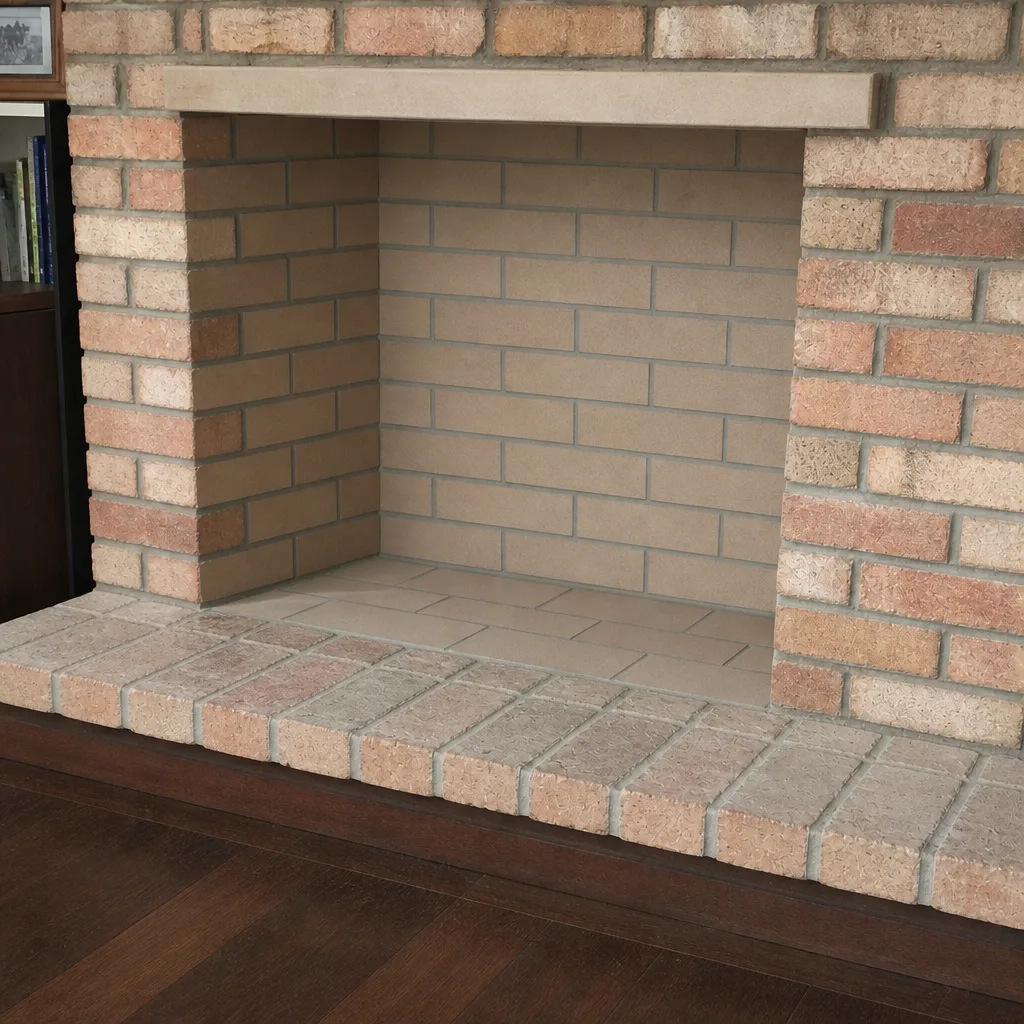
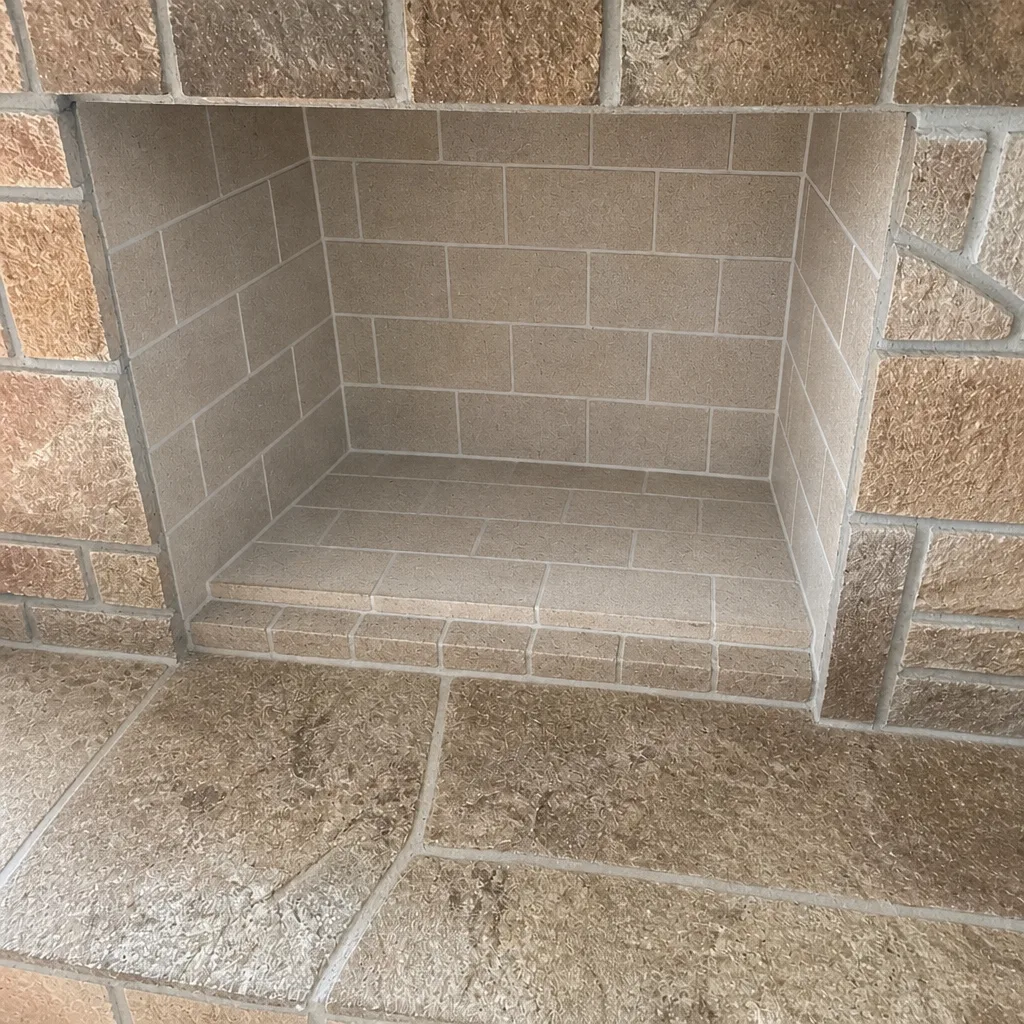 After
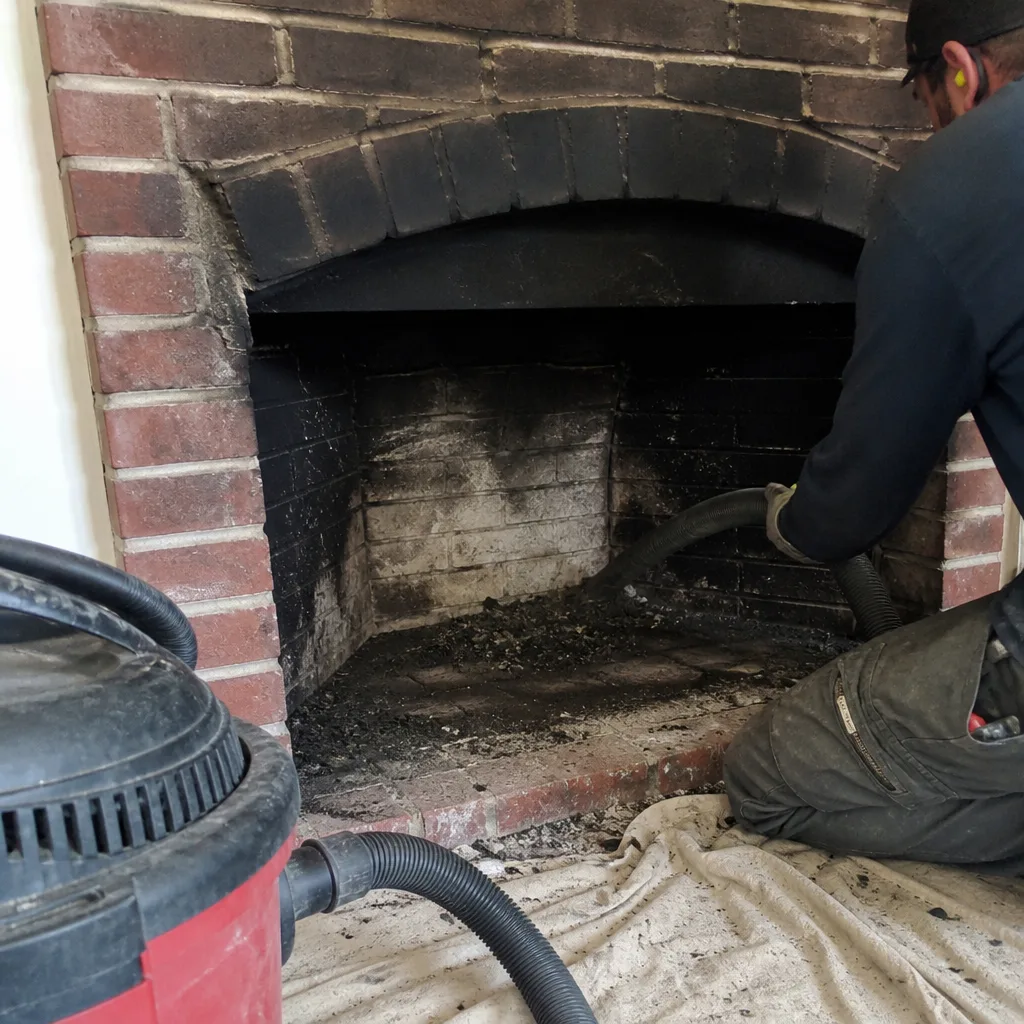 Before
 After
 Before
 After